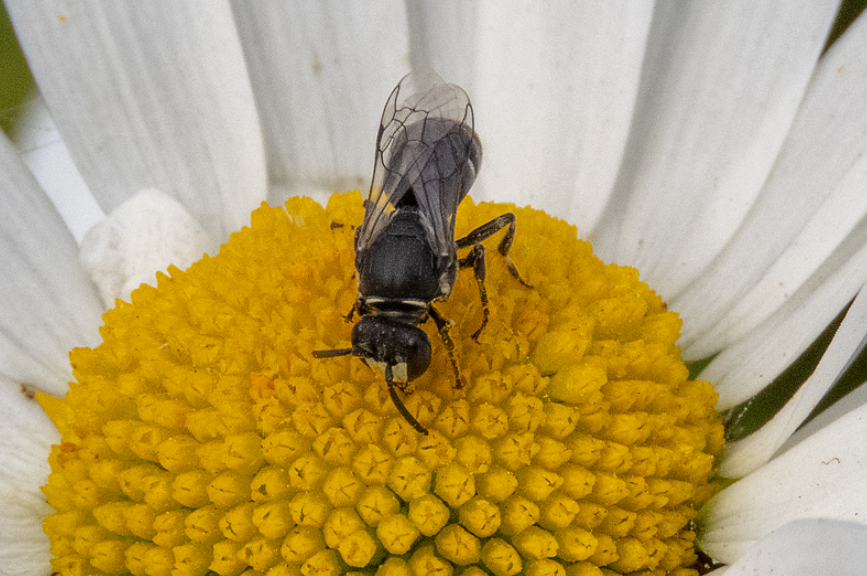
Quick Top 10 Facts about Yellow Faced Bee
| SCIENTIFIC NAME | Hylaeus spp. |
| CLASSIFICATION | KINGDOM: Animalia PHYLUM: Arthropoda CLASS: Insecta ORDER: Hymenoptera FAMILY: Colletidae GENUS: Hylaeus |
| SIZE | Typically 0.4–0.5 inches (10–13 mm) in length |
| HABITAT | Primarily found in temperate and subtropical areas, often near flowering plants in urban gardens, forests, and grasslands |
| DIET | Primarily nectar and pollen from flowers |
| SPECIES | Yellow Faced Bees, which are part of the genus Hylaeus, known for their yellow markings on the face and body |
| COUNTRY | Found primarily in parts of North America, including the United States, and parts of the Pacific Islands |
| GESTATION PERIOD | Eggs hatch into larvae after about 3–5 days; pupation lasts around 1–2 weeks before emerging as adults |
| LIFE SPAN | Usually 1–2 months, although some may live longer depending on environmental conditions |
| CONSERVATION STATUS | Some species are considered at risk due to habitat loss, pesticide use, and climate change |
Amazing Facts About Yellow Faced Bees
1. Known for their unique yellow face markings
Yellow Faced Bees are easily recognized by the yellow patterns on their faces, which makes them stand out among other bees.
2. Important pollinators
They are crucial for pollination, particularly of native plants and crops in their habitats.
3. Solitary nature
Unlike honeybees, Yellow Faced Bees are solitary and do not live in large colonies.
4. Nesting behavior
These bees often nest in small cavities, such as in wood, hollow stems, or cracks in rocks.
5. Adaptable feeders
They are generalist feeders, visiting a variety of flowers for nectar and pollen, helping maintain biodiversity.
6. Excellent flight skills
Yellow Faced Bees are strong fliers, capable of traveling long distances in search of food sources.
7. Unique egg-laying process
The queen or female Yellow Faced Bee lays her eggs in small cavities, where they are kept safe until they hatch.
8. Few predators
Due to their small size and solitary nature, they have few natural predators, though they are vulnerable to habitat destruction.
9. Vital for ecosystem health
By pollinating a wide range of plants, they play a significant role in maintaining healthy ecosystems and food webs.
10. Sensitive to environmental changes
Yellow Faced Bees are sensitive to environmental changes, particularly those caused by human activity like deforestation and pesticide use.
Introduction to Intriguing Yellow-Faced Bee
The yellow-faced bee is a rare insect that has attracted the attention of both entomologists and nature enthusiasts due to its unique appearance and significant pollination function. The yellow-faced bee, which may be found in a variety of settings worldwide, is an important component of regional ecosystems and also helps the agricultural sector by assisting with plant fertilisation. Everything you need to know about the yellow-faced bee, including its physical characteristics, behaviour, habitat, and ecological value, will be given below:
What Makes the Yellow-Faced Bee Unique and Important?
One species of bee that is well-known for its vivid yellow facial markings is the Yellow-Faced Bee. These bees are members of the Apidae family and are distinguished from other bee species by their distinctive colouring. They are intriguing to examine because of their remarkable look and hard-working behaviour. Although they are not as well-known as honeybees, yellow-faced bees are essential to pollination, which supports many ecosystems’ health and biodiversity.
These bees assist in pollinating a variety of flowers and crops and are often seen in gardens, meadows, and agricultural regions. Because of their efficiency in moving pollen from one bloom to another, which allows plants to reproduce, yellow-faced bees, despite their little size, are an essential component of the ecosystem.
The Yellow-Faced Bee’s Physical Characteristics
Because of its unique look, the yellow-faced bee is simple to recognise. In addition to being physically appealing, these bees are especially well-suited for their function in nature because of their vivid yellow faces and smooth, fine-haired bodies. Let’s examine the yellow-faced bee’s main morphological characteristics in more detail.
Size and Weight of Yellow-Faced Bees
Yellow-faced bees are comparatively tiny, measuring between 0.5 to 1 inch on average. They have a robust physique that enables them to efficiently gather and carry pollen despite their little size. They are very effective pollinators because of their lightweight bodies, which enable them to travel effortlessly from blossom to flower.
Their tiny size helps them as pollinators since it enables them to reach the complex components of different flowers that bigger insects would not be able to. The richness of plant life in the regions where they live is enhanced by their capacity to pollinate a broad range of plant species.
Face Colouration and Markings of the Yellow-Faced Bee
Naturally, the yellow-faced bee’s vivid yellow facial markings are its most noticeable characteristic. The remainder of the body, which is usually brown or black, contrasts with these yellow patterns. Depending on the species and the particular environmental conditions in which they exist, the golden colouring may vary somewhat.
The Yellow-Faced Bee’s body is coated with fine, velvety hair that aids in pollen collecting in addition to its facial markings. In addition to being attractive, this hair helps the bee spread pollen from blossom to bloom, which is why it gives the bee its distinctive fuzzy look.
Flight Properties and Wings of the Yellow-Faced Bee
The wings of the yellow-faced bee are thin, transparent, and have a hint of iridescence. The bee’s ability to fly quickly and nimbly thanks to these wings is crucial for effective foraging. They often fly quickly and directly, hopping from bloom to flower in a never-ending quest for pollen and nectar.
Because of their light bodies and tiny wings, yellow-faced bees can hover close to flowers and quickly navigate past obstructions while feeding, making them very adaptable to a variety of habitats.
The Yellow-Faced Bee’s Ecological Function and Behavior
The richness of plants and the upkeep of healthy ecosystems depend on yellow-faced bees. Their ecological function as pollinators is closely linked to their behaviour. Let’s examine the relationships and behaviours that characterise the life of the yellow-faced bee and its environmental contributions.
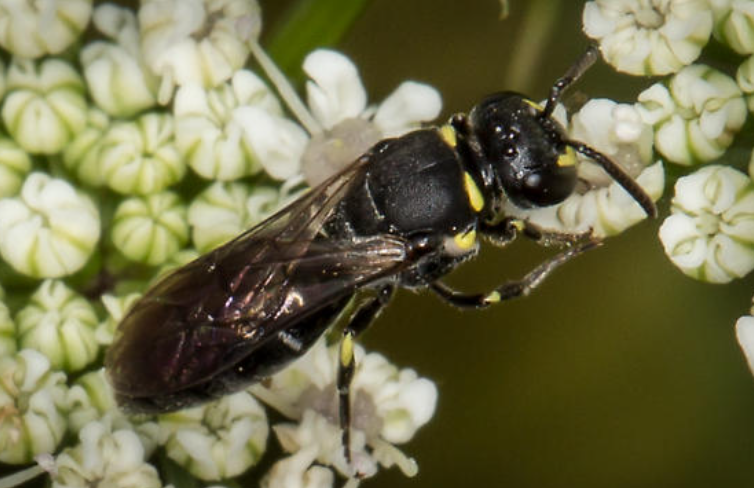
The Role of Pollination in Agriculture by Yellow-Faced Bees
Pollination is the yellow-faced bee’s main function. These bees visit flowers to gather pollen and nectar, which they use to feed their young and for their own nutrition. They unintentionally spread pollen from blossom to flower, which aids in fertilisation and the production of seeds and fruit by plants.
Yellow-Faced Bees are very useful pollinators for a wide range of crops, including flowers, fruits, and vegetables, in agricultural settings. Many crops would not produce at their best without their pollination services, which might result in lower yields and even crop loss.
Social Organisation and Nesting Practices of the Yellow-Faced Bee
The Yellow-Faced Bees, in contrast to the gregarious honeybees, usually lead solitary lives. Every bee has a nest where it nurtures its young and lays eggs. These nests are often seen in dirt, tree trunks, and other natural gaps. They may also be found in garden pots or walls.
The main workers are the females, who gather pollen and nectar to nourish their young. Because they are so committed to their brood’s survival, they make sure the eggs are safe and fed until they hatch and develop into adult bees.
Diet and Foraging Practices of the Yellow-Faced Bee
Excellent foraging skills are a hallmark of yellow-faced bees. Their primary food source is nectar, which gives them the energy they need to fly and perform their several tasks. In order to provide themselves and their larvae with protein, they also gather pollen.
Yellow-faced bees exhibit a remarkable degree of efficiency and concentration during foraging. To make the most of each journey and increase their chances of discovering a plentiful amount of nectar and pollen, they often visit a variety of flowers during a single foraging excursion.
Caring for Yellow-Faced Bees and Safeguarding Their Environment
The preservation of biodiversity depends on the protection of yellow-faced bees and their habitats because of their vital role in ecosystems. Let’s examine the actions that may be made to guarantee these crucial pollinators’ survival and well-being.
Establishing Bee-Friendly Environments to Protect Yellow-Faced Bees
A bee-friendly atmosphere is one of the greatest methods to support yellow-faced bees. Planting a range of nectar-rich flowers in your garden can help achieve this. Throughout the year, flowers with varying blooming times might provide a reliable food supply.
These bees may also be shielded from hazardous chemicals by limiting the use of damaging pesticides and herbicides in fields and gardens. A secure environment for yellow-faced bees to nest may also be created by providing cover, such as bee hotels, or by keeping parts of the garden untouched.
Preserving Populations of Wild Bees and Yellow-Faced Bee Conservation
The reduction of plant species that provide food for yellow-faced bees, habitat loss, and climate change pose risks to these bees in the wild. The survival of these essential pollinators may be ensured by conservation initiatives that preserve natural habitats and lessen environmental pressures.
In addition to generating funding for bee conservation programs, raising public awareness and educating people about the value of bees and their ecological functions may motivate more individuals to take action to safeguard bee populations.
Health Considerations for Yellow-Faced Bees
Like any insects, yellow-faced bees may have a number of health issues, many of which are caused by their surroundings. Environmentalists and beekeepers can better safeguard these important animals by being aware of these possible health risks.
Common Health Problems Affecting Yellow-Faced Bees
Like other pollinators, yellow-faced bees may suffer from health problems as a result of things like inadequate diet, chemical exposure, and climate change. The following are some of the most prevalent health issues affecting yellow-faced bees:
- Exposure to pesticides: Yellow-Faced Bees may have short-term or long-term health problems from exposure to dangerous chemicals. Their neurological systems may be affected by these substances, which would make it more difficult for them to navigate and forage.
- Destruction of habitat: Yellow-faced bees’ chances of surviving are decreased when their habitat is lost as a result of urbanisation, deforestation, or agricultural growth.
- Nutritional deficit: Malnutrition may result from a lack of varied and plentiful nectar supplies, which weakens the bees and lowers their capacity to procreate and sustain a healthy population.
Yellow-Faced Bee Life Cycle and Lifespan
Depending on its job (worker, queen, or male) and the surrounding environment, a yellow-faced bee’s lifetime might vary. Queens may live up to a year or more, while workers usually only survive a few weeks. There are four phases in a yellow-faced bee’s life cycle: egg, larva, pupa, and adult. For these bees to grow healthily from one stage to the next, adequate food sources and ideal climatic conditions are essential.
FAQ (Frequently Asked Questions) about Yellow-Faced Bee
Q: What is a Yellow-Faced Bee?
Ans: The Yellow-Faced Bee (genus *Hylaeus*) is a type of solitary bee native to various regions, including North America and Australia. It is recognized for its distinct yellow markings on the face and its small size. Yellow-Faced Bees are important pollinators of plants, including various flowers and crops.
Q: Where do Yellow-Faced Bees live?
Ans: Yellow-Faced Bees can be found in a variety of habitats, including gardens, forests, meadows, and agricultural areas. They nest in pre-existing cavities such as hollow stems, cracks in wood, or underground burrows, often in environments with abundant flowering plants.
Q: What do Yellow-Faced Bees eat?
Ans: Yellow-Faced Bees primarily feed on nectar and pollen from flowers. They are important pollinators, visiting a wide range of plants to collect food for themselves and their offspring. The pollen is used to feed their larvae, while the nectar provides the necessary energy for the adult bees.
Q: How big is a Yellow-Faced Bee?
Ans: Yellow-Faced Bees are relatively small, typically ranging from 6 to 12 mm in length, depending on the species. They have a compact body and are often distinguished by the bright yellow or orange markings on their face and the lower parts of their abdomen.
Q: What do Yellow-Faced Bees look like?
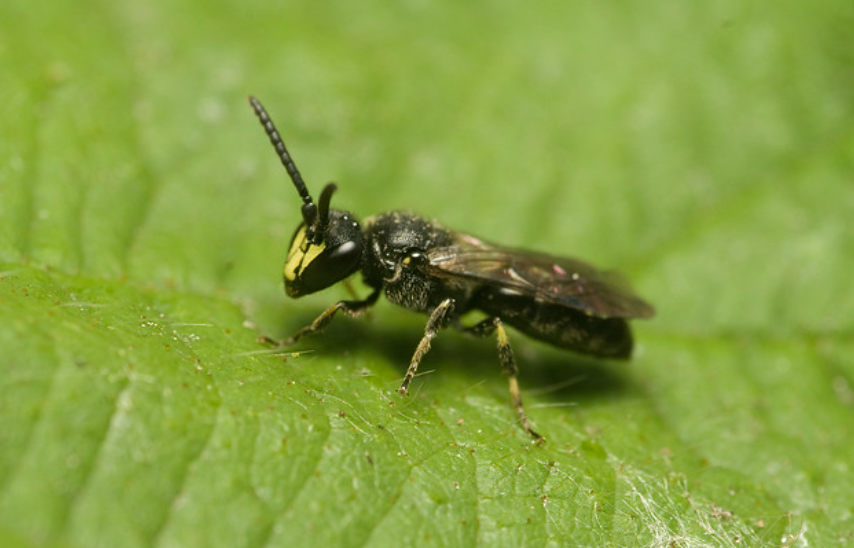
Ans: Yellow-Faced Bees have a black body with yellow or orange markings on their face and sometimes on their thorax and abdomen. Their eyes are often large, and they have robust, hairy legs that help them collect pollen from flowers. Their size and coloring make them easy to identify among other bee species.
Q: Are Yellow-Faced Bees dangerous?
Ans: No, Yellow-Faced Bees are not dangerous to humans. They are solitary bees and are not aggressive unless provoked. Unlike honeybees or wasps, they do not live in colonies and generally do not sting unless they feel directly threatened. However, their sting can be painful if they do strike.
Q: How do Yellow-Faced Bees pollinate?
Ans: Yellow-Faced Bees are excellent pollinators. As they visit flowers to gather nectar and pollen, they inadvertently transfer pollen from one flower to another, facilitating the fertilization process and helping plants produce seeds. Their body structure, with its hairy legs and body, makes them effective at collecting and transporting pollen.
Q: How long do Yellow-Faced Bees live?
Ans: The lifespan of a Yellow-Faced Bee is generally short. Adult bees typically live for a few weeks, while the larval stage inside their nest can last longer, depending on environmental conditions. The queen bee, if applicable, may live longer, generally over a year.
Q: Are Yellow-Faced Bees endangered?
Ans: Some species of Yellow-Faced Bees are considered endangered due to habitat loss, climate change, and pesticide use. These bees rely on specific plants for food, and the loss of those plants, along with increased pesticide exposure, has significantly impacted their populations in some areas.
Q: Can Yellow-Faced Bees be kept as pets?
Ans: No, Yellow-Faced Bees are wild insects and are not suitable for domestication or keeping as pets. They play an important role in ecosystems by pollinating plants, but they do not form colonies that can be managed or domesticated like honeybees. It’s best to observe them in their natural habitats and protect the plants that support their populations.
#YellowFacedBee, #SolitaryBee, #Pollinators, #Beekeeping, #WildlifeConservation, #InsectPollinators, #Biodiversity, #BeeProtection, #NatureLovers, #InsectConservation
Our sources and references about Yellow-Faced Bees
1: Wikipedia – Yellow-Faced Bee
2: Encyclopedia Britannica – Bee
3: Pollinator Partnership – What Is a Pollinator?
4: National Geographic – Bee