Squirrelfish are a group of brightly colored marine fish known for their vivid red hues, large eyes, and nocturnal behavior. They are commonly found in tropical coral reefs across the Indo-Pacific and Atlantic oceans. These fish are named for the high-pitched, squirrel-like sounds they produce when alarmed. Most squirrelfish are small to medium-sized and hide in reef crevices during the day, becoming active at night to hunt for prey such as small crustaceans. They are popular in the aquarium trade and play a role in reef ecosystems.
Quick Top 10 Facts about Squirrelfish
| SCIENTIFIC NAME | Family Holocentridae |
| CLASSIFICATION | KINGDOM: Animalia PHYLUM: Chordata CLASS: Actinopterygii ORDER: Beryciformes FAMILY: Holocentridae |
| SIZE | Length: Typically 10–30 cm (4–12 inches), depending on the species |
| SPECIES | Over 150 species across two subfamilies: Holocentrinae (squirrelfish) and Myripristinae (soldierfish) |
| APPEARANCE | Bright red or orange body, large eyes, rough scales, and spiny dorsal fins |
| LIFE SPAN | Up to 10 years in the wild |
| HABITAT | Tropical coral reefs, rocky reefs, and lagoons in Indo-Pacific and Atlantic regions |
| DIET | Carnivorous – feeds mainly on small crustaceans, plankton, and invertebrates at night |
| NATURAL PREDATORS | Larger predatory fish, moray eels, and some species of reef sharks |
| COUNTRY | Widespread across tropical ocean regions; common in Hawaii, Australia, Caribbean, and Southeast Asia |
| GESTATION PERIOD | Eggs are released into the water column and hatch within 1–2 days |
| CONSERVATION STATUS | Most species are Least Concern; some may face localized threats due to reef degradation |
Amazing Facts About Squirrelfish
1. Nocturnal Hunters
Squirrelfish are primarily active at night, emerging from reef crevices to hunt for small prey.
2. Big Eyes for Night Vision
They have large, well-adapted eyes to help them see in the dim light of coral reefs after sunset.
3. Makes Squeaky Sounds
These fish can produce audible squeaking or grunting noises when threatened or captured.
4. Spiny Defense
Squirrelfish have sharp, venomous dorsal spines that help deter predators.
5. Important Reef Species
They play a role in reef ecosystems by helping control populations of small invertebrates.
6. Bright Coloration
Their striking red and orange hues provide camouflage in low-light reef environments.
7. Aquarium Popularity
Some squirrelfish species are kept in saltwater aquariums for their color and personality.
8. Territorial at Night
They can be territorial with other fish during nighttime feeding hours.
9. Schooling Behavior
Many squirrelfish species school together, especially when hiding in rocky crevices.
10. Distinctive Family Features
Their rough, ctenoid scales and long anal fins distinguish them from similar reef fish.
Introduction to the Holocentridae Family
The Holocentridae family, which includes the colourful, nocturnal, and carnivorous squirrelfish, is a lively and impressive marine animal. These fish live on coral reefs, rocky outcrops, and other underwater formations in the warm tropical and subtropical areas of the Atlantic and Indo-Pacific seas. Squirrelfish are a vital component of the aquatic environment because of their unique look, quick motions, and intriguing behaviour.
What is a Squirrelfish?
Key Species in the Squirrelfish Family
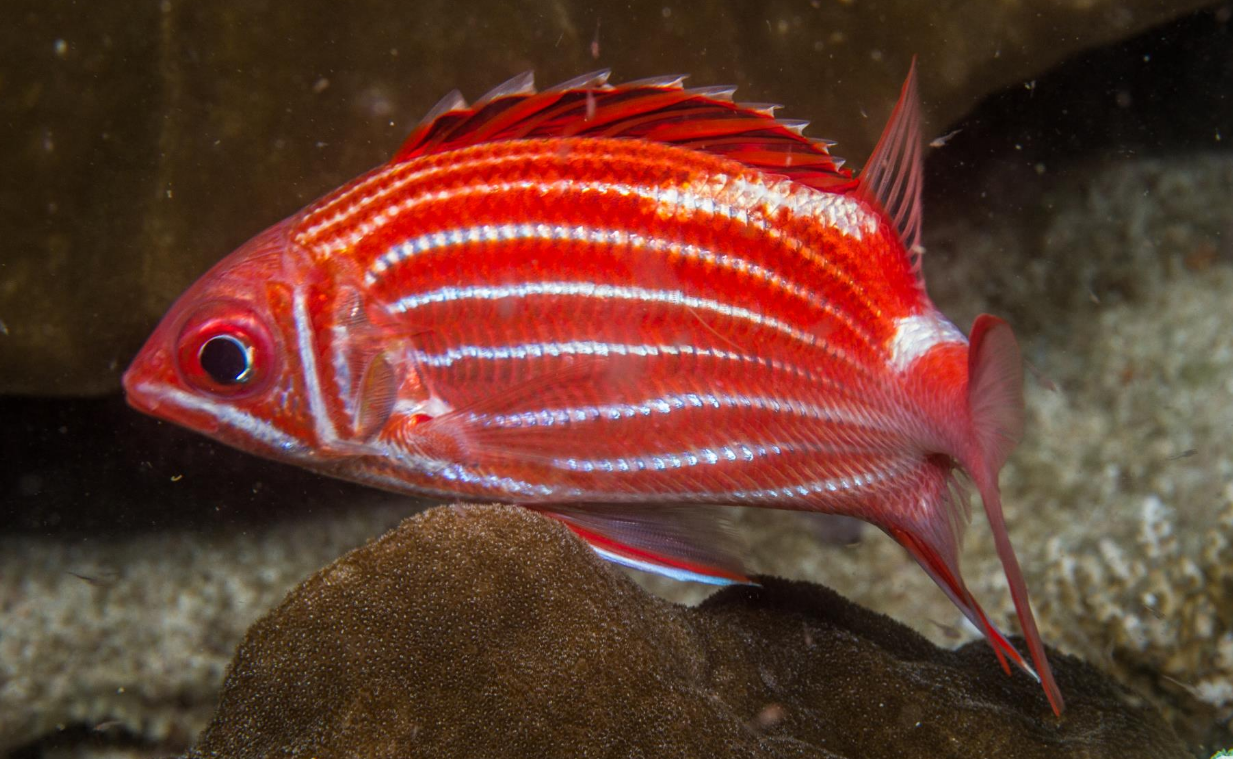
Approximately 20 species of fish from several genera are referred to as “squirrelfish” in the Holocentridae family. The two most prominent species are the yellowtail squirrelfish (Sargocentron caudimaculatum) and the longspine squirrelfish (Holocentrus rufus). In the aquatic environment, squirrelfish are easily recognised by their vivid red or pinkish colouring, huge, protruding eyes, sharp spines, and long dorsal fins. Although certain species may get even bigger, these fish are generally small to medium in size, measuring between 6 and 12 inches (15 and 30 cm).
Nocturnal Behaviour and Ecological Role
Being mostly nocturnal, squirrelfish are more active at night when they come out of their hiding places to search for food. In the marine environment, they are regarded as predators and are crucial to preserving the equilibrium of their ecosystems.
Physical Features of Squirrelfish
Distinctive Colouration
Colouration: The most noticeable feature of squirrelfish is its vivid orange or red colouring, which is often paired with paler undersides. When they are most active at night, their colouring helps them blend in with the rocky outcrops and coral reefs where they reside. Certain species, like the longspine squirrelfish, may have a combination of reddish tones and subtle black body patterns.
Eye Adaptations for Night Vision
Eyes: A crucial adaption for their nighttime existence, squirrelfish have big, protruding eyes. They can traverse the dark waters of the coral reefs at night because to their huge eyes, which also enable them to see in low light. One of their most distinguishing characteristics is that their eyes are usually more noticeable than those of other reef fish.
Dorsal Fins and Defensive Spines
Dorsal Fins and Spines: A large dorsal fin with several sharp spines is a feature of squirrelfish. As a defensive strategy, these spines prevent predators from attacking them. These fish are tough for predators to ingest or capture because their spines are often rigid and difficult to bend.
Streamlined Body for Speed
Body Structure: Squirrelfish can swim fast and dart in and out of rocky crevices thanks to their streamlined bodies. They have silky scales covering their body, and they can grab prey with their little jaws. They have compact, elongated bodies rather than ones that are very deep or flat.
Distribution and Habitat of Squirrelfish
Global Range in Tropical and Subtropical Waters
Most species of squirrelfish live in the Atlantic Ocean and the Indo-Pacific area, however they may be found in tropical and subtropical seas all over the globe. They favour warm seas, usually between 22°C and 28°C (72°F and 82°F). Coral reefs, rocky ledges, and cracks along the coasts make up their main habitat. Since they are more active at night, these habitats provide them protection during the day.
Common Locations Where Squirrelfish Are Found
- The Caribbean Sea: The Caribbean seas are home to a variety of squirrelfish species, including the yellowtail squirrelfish. These species live in the deeper portions of the coastal waters in the area as well as on coral reefs.
- The Gulf of Mexico: Commonly found in the Gulf of Mexico’s warm waters, squirrelfish flourish in the environments of coral reefs.
- The Indo-Pacific: The Indo-Pacific region is home to species such as the longspine squirrelfish, especially around the shores of Australia, Southeast Asia, and the Indian Ocean.
Shelter and Daytime Behavior
During the day, these fish often hide from predators or shield themselves from the sun by taking refuge in the reef’s caverns and crevices. Since they are nocturnal predators, they are more active when they go hunting at night.
Squirrelfish Diet and Feeding Habits
Primary Carnivorous Diet Components
- Crustaceans: A range of tiny crustaceans, such as prawns, crabs and lobsters, are reported to be consumed by squirrelfish. These animals are often seen in the coral reefs and rocky nooks where squirrelfish reside.
- Small Fish: Squirrelfish also seek small fish, including fish eggs and juveniles, as well as other species that live on reefs. They can easily grab and eat tiny prey because to their quick movements and keen teeth.
- Invertebrates: Squirrelfish may eat a variety of marine invertebrates, including worms, snails, and cephalopods, in addition to crustaceans.
Opportunistic Feeding Behavior
Because they are opportunistic eaters, squirrelfish will exploit anything that is accessible to them and modify their hunting strategy in response to food availability. When other reef fish are less active or have withdrawn into their hiding places, they often hunt in the evening and at night.
Behavioural Adaptations of Squirrelfish
Nocturnal Activity Patterns
Due to the fact that they are nocturnal, squirrelfish are most active during night and dusk. Because they may forage for food when the reef is calmer and they are less vulnerable to predators like bigger fish or marine animals, this adaption is crucial. They are able to handle the low-light conditions because to their huge eyes and superior night vision.
Daytime Hiding Strategies
Squirrelfish conceal themselves from predators by hiding beneath ledges or in the shadowy nooks and crannies of coral reefs during the day. Avoiding daylight predators, such as bigger predatory fish and surface-hunting birds, requires this hiding behaviour.
Territoriality and Defence
Defence and Aggression: Especially during the mating season, squirrelfish may be quite hostile towards other fish due to their territorial nature. In order to protect themselves from bigger predators, they have long, sharp spines on their dorsal fins.
Schooling Behavior at Night
Squirrelfish are known to form schools while searching for food or attempting to evade predators, despite the fact that they usually live alone or in tiny groups. At night, schools of squirrelfish are often seen scuttling over the reef in search of food. However, since squirrelfish prefer to operate independently while hunting, these schools are often less structured than those of other species.
Squirrelfish Reproduction Process
Spawning and External Fertilization
During the mating season, male and female squirrelfish release their eggs and sperm into the water, a process known as external fertilisation. The warmer months of the year are usually when the mating season takes place, however it varies by species and geographic region.
Egg Protection and Larval Development
In order to shield their eggs from predators, squirrelfish nest in deep crevices or shallow seas. The fertilised eggs can settle on the ocean bottom or float in the water column after spawning.
Growth of Juvenile Squirrelfish
Larvae: After hatching, the eggs become larvae, which float with the tides until they mature into young squirrelfish. The juvenile fish start to acquire the colouration and characteristics of adults as they become older, such as their big eyes and sharp spines.
Lack of Parental Care
Parental Care: Squirrelfish do not give their young a lot of parental attention, in contrast to several other fish species. The larvae are allowed to grow on their own, depending on the safety of their surroundings and their capacity to find cover from predators.
Conservation Status of Squirrelfish
Current Population Trends
The majority of squirrelfish species are neither designated as endangered by major conservation organisations, nor are they presently regarded as threatened. They are vulnerable to the effects of habitat loss, overfishing, and climate change, however, much like a lot of other marine species. Ocean acidification, coral bleaching, and pollution are major threats to coral reefs, which are the main home of squirrelfish. The location and quantity of squirrelfish populations may be impacted by several variables.
Role of Marine Conservation Efforts
The preservation of healthy reef ecosystems and the protection of squirrelfish and other marine species depend on marine protected areas (MPAs) and other conservation initiatives. The survival of these vital and significant fish is aided by initiatives to preserve coral reefs and lessen overfishing.
Interesting Facts About Squirrelfish
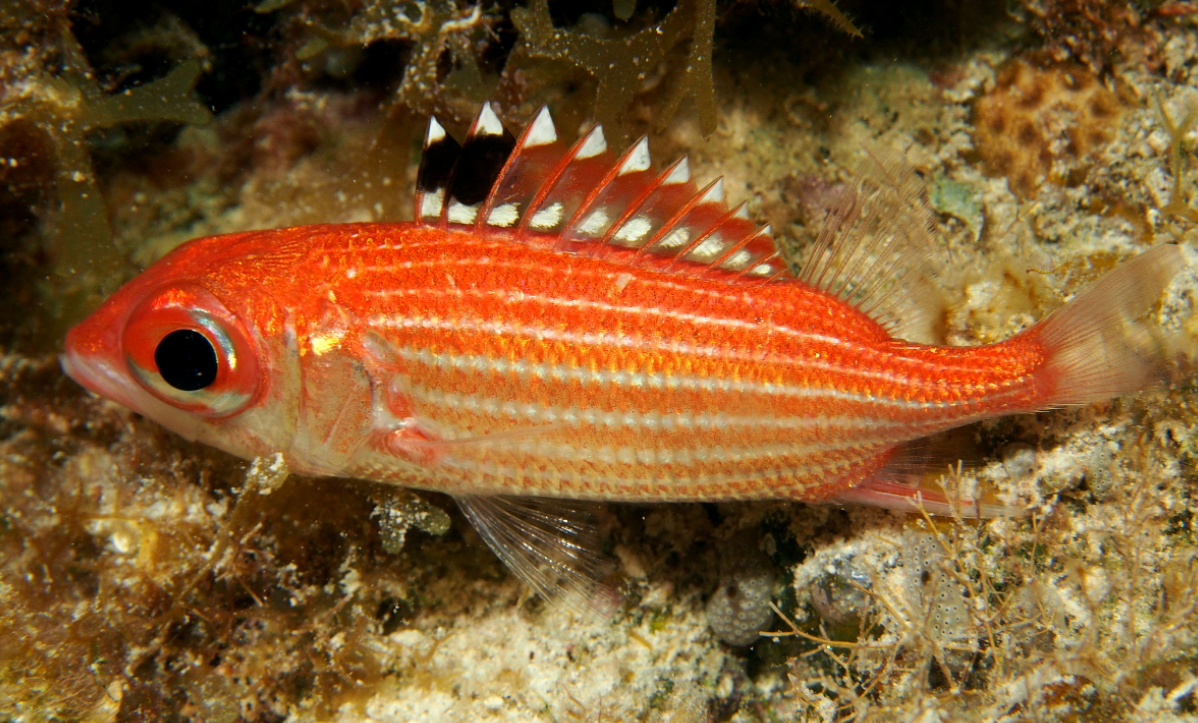
- Bright Appearance: In addition to being aesthetically pleasing, squirrelfish’s vivid red colouring acts as a kind of camouflage on coral reefs, blending in with the red tones of underwater structures at night.
- Excellent Vision: Because of their huge eyes, squirrelfish have excellent night vision, which helps them hunt and travel in low light conditions.
- Toxic Spines: Although not very poisonous, a squirrelfish’s dorsal fins may have sharp spines that can injure people or predators that handle them carelessly.
- Predatory Behavior: Squirrelfish are predators that seek and consume a range of smaller marine animals, such as fish, crabs, and invertebrates, despite their little size.
FAQ (Frequently Asked Questions) about Squirrelfish
Q: What is a Squirrelfish?
Ans: A brightly colored, nocturnal reef fish known for its large eyes and squeaking sounds, belonging to the family Holocentridae.
Q: Where are squirrelfish found?
Ans: They are found in tropical and subtropical reefs around the Indo-Pacific and Atlantic Oceans.
Q: What do squirrelfish eat?
Ans: They feed on small crustaceans, plankton, and other invertebrates at night.
Q: Are squirrelfish dangerous?
Ans: They are not dangerous to humans but have sharp dorsal spines that can sting if handled carelessly.
Q: Do squirrelfish make sounds?
Ans: Yes, they can produce squeaking or grunting noises when alarmed or threatened.
Q: How big do squirrelfish grow?
Ans: Most species grow between 10–30 cm (4–12 inches) in length.
Q: Are they reef-safe in aquariums?
Ans: Generally yes, but they may eat very small fish or invertebrates; they require large tanks with hiding spaces.
Q: Are squirrelfish endangered?
Ans: Most are not endangered, but some species may be affected by habitat destruction.
Q: How do squirrelfish defend themselves?
Ans: They use their sharp dorsal spines and hide in reef crevices to avoid predators.
Q: What is unique about their appearance?
Ans: Their large eyes, spiny fins, and bright red coloration make them highly distinctive among reef fish.
#Squirrelfish #CoralReefFish #TropicalFish #NocturnalFish #MarineLife #ReefEcosystem #AquariumFish
Our sources and references about Squirrelfish
1: Wikipedia – Holocentridae (Squirrelfish)
2: Animal Diversity Web – Holocentridae
3: ReefApp – Squirrelfish Family