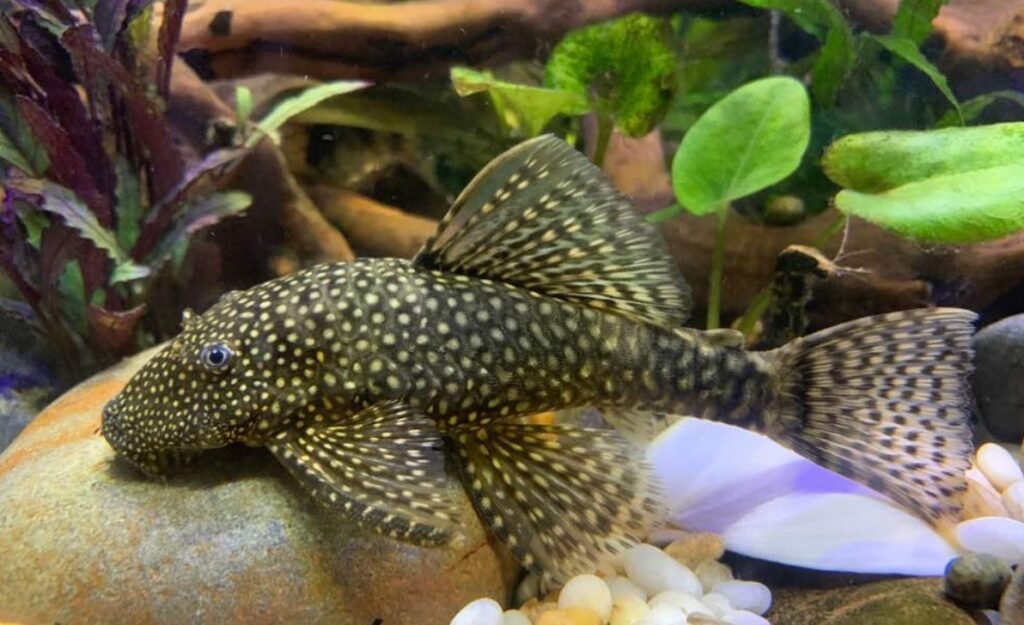
Suckerfish, also known as remoras or “sharksuckers”, are a group of fish that are famous for their ability to attach themselves to larger fish, sharks, and even boats. Using a modified dorsal fin that acts like a suction cup, they can cling to their hosts while swimming through the water. Suckerfish benefit from their hosts by gaining free rides and eating leftover food. They are typically small to medium-sized fish with streamlined bodies that help them swim efficiently in various marine environments. Suckerfish are found in tropical and subtropical oceans around the world and have an important role in marine ecosystems.
Quick Top 10 Facts about Suckerfish
| SCIENTIFIC NAME | Echeneidae |
| CLASSIFICATION | KINGDOM: Animalia PHYLUM: Chordata CLASS: Actinopterygii ORDER: Perciformes FAMILY: Echeneidae GENUS: Various species (e.g., Echeneis) |
| SIZE | Length: 10–15 inches (25–38 cm) Weight: Varies by species (typically 0.5–2 lbs) |
| SPECIES | Suckerfish are a family of fish known for their ability to attach to larger marine animals, such as sharks, rays, and whales. There are several species of suckerfish, including the common remora (Echeneis naucrates) and the shark sucker (Remora remora). |
| APPEARANCE | Suckerfish have a streamlined, elongated body with a flat, oval-shaped disc on the top of their heads, which serves as a suction cup. This disc is actually a modified dorsal fin that allows them to cling to larger animals. They have small mouths and are usually gray or silver in color, with some species displaying darker markings. |
| LIFE SPAN | Typically 5–10 years |
| HABITAT | Suckerfish are found in tropical and subtropical oceans around the world. They typically live in coastal and pelagic (open ocean) environments and attach themselves to larger fish or marine animals for transportation. |
| DIET | Suckerfish are opportunistic feeders. They primarily feed on leftovers from their host’s meals, such as scraps of fish or other organic matter. They may also consume parasites and dead skin from their host. |
| NATURAL PREDATORS | Suckerfish are small and do not have many natural predators due to their ability to attach themselves to larger animals. However, larger fish or marine mammals may occasionally prey on them if they are not attached to a host. |
| COUNTRY | Found in tropical and subtropical oceans worldwide, including the Caribbean Sea, Indian Ocean, and Pacific Ocean. |
| GESTATION PERIOD | Suckerfish are oviparous, meaning they lay eggs rather than giving birth to live young. The eggs hatch into larvae, which develop into juvenile suckerfish in a relatively short period. |
| CONSERVATION STATUS | Least Concern (LC) – Suckerfish are not currently considered endangered and are abundant in their natural habitats. They play an important ecological role by helping to clean parasites from larger marine animals. |
Amazing Facts About Suckerfish
1. Suction Power
The suckerfish uses a modified dorsal fin to create a suction cup-like structure, allowing them to attach securely to larger marine animals like sharks, whales, and even boats. This is their primary method of traveling through the ocean.
2. Parasite Cleaners
Suckerfish help to keep their hosts clean by removing parasites, dead skin, and leftover food. In return, they gain free transportation and food.
3. Opportunistic Feeders
Suckerfish are scavengers and primarily eat leftover food from their host’s meals. They will also feed on small parasites found on their host’s skin.
4. Small Yet Mighty
Despite their small size, suckerfish play an important ecological role in marine environments. By cleaning other animals, they help maintain the health of the marine ecosystem.
5. Wide Range of Hosts
Suckerfish are not picky about their hosts. They can attach to many different types of marine animals, including sharks, rays, and even boats or human-made structures, as long as they provide a free ride and a meal.
6. Camouflage and Speed
Suckerfish have streamlined bodies that allow them to move quickly in the water, making them efficient in attaching to moving hosts. Their gray or silver coloration helps them blend into their surroundings.
7. No Need to Swim Hard
Because suckerfish attach to larger fish, they don’t need to exert as much energy swimming. They can travel long distances by clinging to a host, saving energy in the process.
8. Long-Lasting Attachment
Once a suckerfish attaches itself to a host, it can remain there for an extended period, depending on the host’s movements. Some suckerfish have been observed staying attached for weeks or even months.
9. Reproductive Strategy
Suckerfish reproduce by laying eggs. The eggs hatch into larvae, which develop into juvenile suckerfish after a short time. This reproductive strategy helps maintain their population in the wild.
10. Little Helpers of the Sea
By removing parasites from larger animals, suckerfish play an important role in the health of the ocean. They help maintain the balance of marine ecosystems by cleaning the animals they cling to.
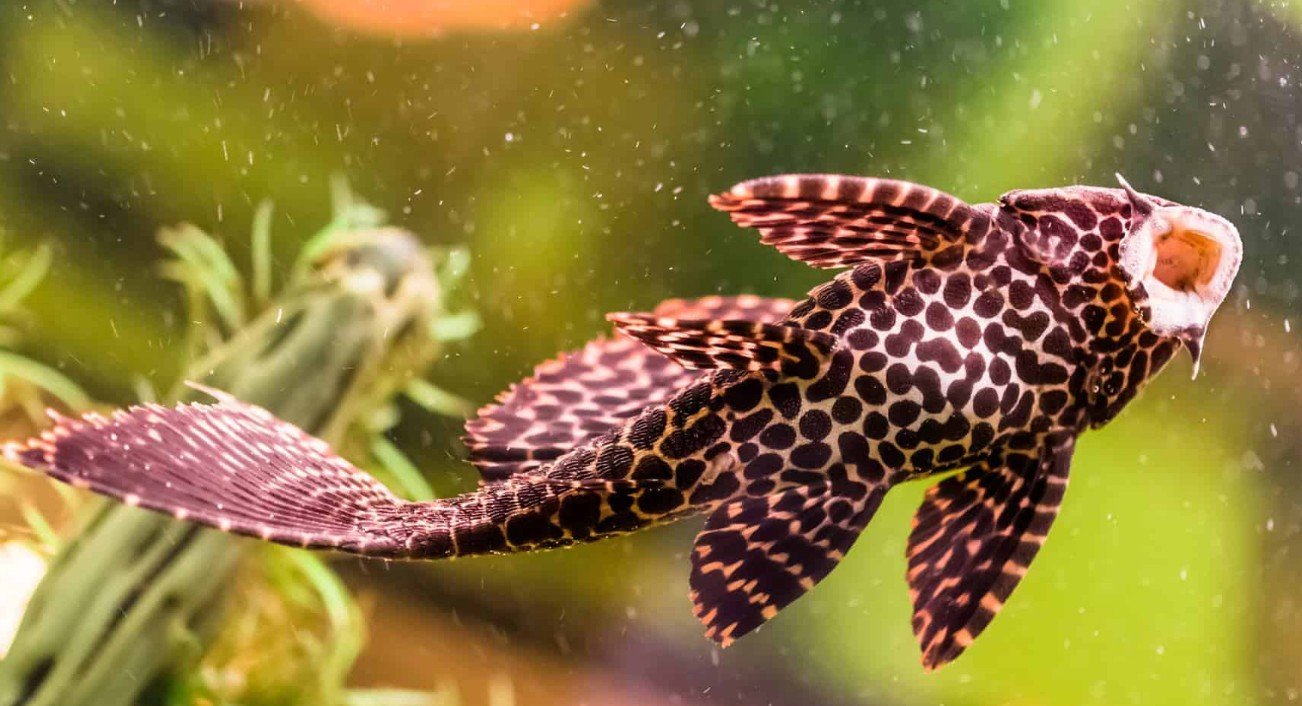
Introduction to Suckerfish and Their Unique Adaptations
What Makes the Suckerfish So Fascinating?
The suckerfish is an interesting species that is a member of many fish families and is well-known for its unique method of attaching itself to bigger creatures and things. The Echeneidae family of fish, often known as remoras, and other species with comparable sucking tendencies are included in this category. Because of their extraordinary adaptations, distinctive ecological functions, and intriguing symbiotic ties with other marine organisms, suckerfish have drawn the attention of researchers.
Scope of the Article: Biology, Ecology, and Symbiosis
The function of suckerfish in the marine environment and its amazing biological features will be highlighted as we examine their physical attributes, nutrition, behaviour, symbiotic connections, and ecological significance in this article.
Physical Characteristics of Suckerfish
The Iconic Suction Disc
The suction disc, which sits atop their heads, is what distinguishes suckerfish. One of the most remarkable characteristics of suckerfish is this disc, which enables them to cling to bigger creatures or things. Let’s examine their body composition and physical characteristics in more detail.
Body Structure and Size
- Body Structure: Although the size of suckers varies by species, they are generally tiny to medium-sized fish. While some remoras stay relatively tiny, others may reach a maximum length of 1 metre (3.3 ft). Because of their long, streamlined bodies, these fish are able to stay stable while clinging to their hosts. Their fins are designed to facilitate their attachment to huge creatures like sharks, whales, and turtles, while their body are made for efficient swimming.
Specialized Suction Disc
- Suction Disc: The suction disc, a flat, circular structure on top of suckerfish heads, is their most distinctive characteristic. The fish can attach to a range of surfaces, including the body of bigger animals, thanks to this disc, which is made up of modified dorsal fins. Because of the disc’s flexibility, the fish may adhere securely and stay there for extended periods of time. When the suckerfish has to relocate, it may separate at any time.
Teeth and Feeding Tools
- Teeth and Mouth: While its suction disc is the major instrument for attachment, suckerfish also have tiny teeth suited for scraping or feeding on algae, parasites, and other material found on the surface of their hosts. In addition to cleaning their host, these teeth are employed to consume any parasites or bacteria that may be present on the skin or gills of the bigger animals to which they cling.
Camouflage and Colouration
- Colouration: Greyish to silvery bodies are a common feature of suckers, which help them blend in with bigger creatures while they migrate. Because of their typically smooth skin, they can adhere and remove from surfaces with ease. They can blend in with their surroundings and evade predators because to their colouring.
Feeding Habits and Nutrition of Suckerfish
Omnivorous and Opportunistic Diet
Being omnivores, suckers have a distinct eating pattern. Suckerfish mostly depend on their symbiotic ties with bigger marine species for sustenance, in contrast to most fish that hunt. Depending on what their host has available, they consume a range of foods.
Common Food Sources
- Parasites: The parasites on the skin or gills of the creatures that suckerfish cling to are one of their main food sources. Leeches, ticks, and other potentially harmful ectoparasites are examples of these. Suckerfish provide their hosts a cleaning service in return for food by consuming these parasites. The suckerfish and the host species both benefit from this behaviour, which is an example of mutualistic symbiosis.
- Consuming Debris: Suckerfish also consume the debris that accumulates on their host’s surface. Dead skin cells, algae, or organic material that has come loose from the host’s body might all fall under this category. The fish often swim close to the fins or tails of bigger fish, which is where food particles are most likely to collect.
- Feeding on Plant Matter: Suckerfish have been seen to consume algae or tiny plankton in addition to parasites and detritus. Additionally, certain species of suckerfish may graze on plants and algae that are present in their habitats, including plant-based foods into their diet.
Symbiotic Relationships and Behaviour of Suckerfish
Interactions with Marine Giants
The mutualistic symbiotic associations that suckers have with bigger creatures are widely documented. Both the suckerfish and the host mammal benefit from these partnerships. Let’s examine the kinds of species that suckerfish often engage with and the mechanisms behind these interactions.
Attachment and Travel With Hosts
- Attachment to Larger Hosts: The most notable characteristic of suckerfish is their proclivity to attach themselves to huge marine creatures such as sharks, rays, sea turtles, whales, and even vessels. On top of their heads, they use a specialised suction disc to do this. Suckerfish often stay connected for extended periods of time, travelling great distances with their host in pursuit of food.
Cleaning and Mutual Benefits
- Cleaning and Parasite Removal: The cleaning service that the suckerfish offers is one of the most important advantages of the suckerfish-host connection. The suckerfish contributes to the bigger animal’s health by consuming parasites, algae, and other undesirable material that adheres to the host. In addition to providing the suckerfish with a food supply, this cleaning behaviour helps the host by lowering the parasite burden.
Mobility and Energy Conservation
- Mobility: Suckerfish can travel great distances with their host because of their high degree of mobility. As they hitch-hike from one feeding place to another, certain species, such as remoras, have been known to follow bigger fish or marine animals for thousands of kilometres. For suckerfish, this mobility is essential since it enables them to reach new food sources with little energy expenditure. The cleaner fish helps the host animal in return, often with no negative effects from the connection.
Mutualism vs Parasitism in Suckerfish
- Mutualism vs parasitism: Although suckerfish and their hosts often have a mutualistic relationship, there are situations in which the suckerfish may start acting more parasitically. This occurs when a suckerfish remains hooked to a weak or dying mammal or feeds on it too aggressively. In these situations, albeit they are uncommon, the suckerfish may start doing more damage than good to the host. Most of the time, both parties continue to gain from the partnership.
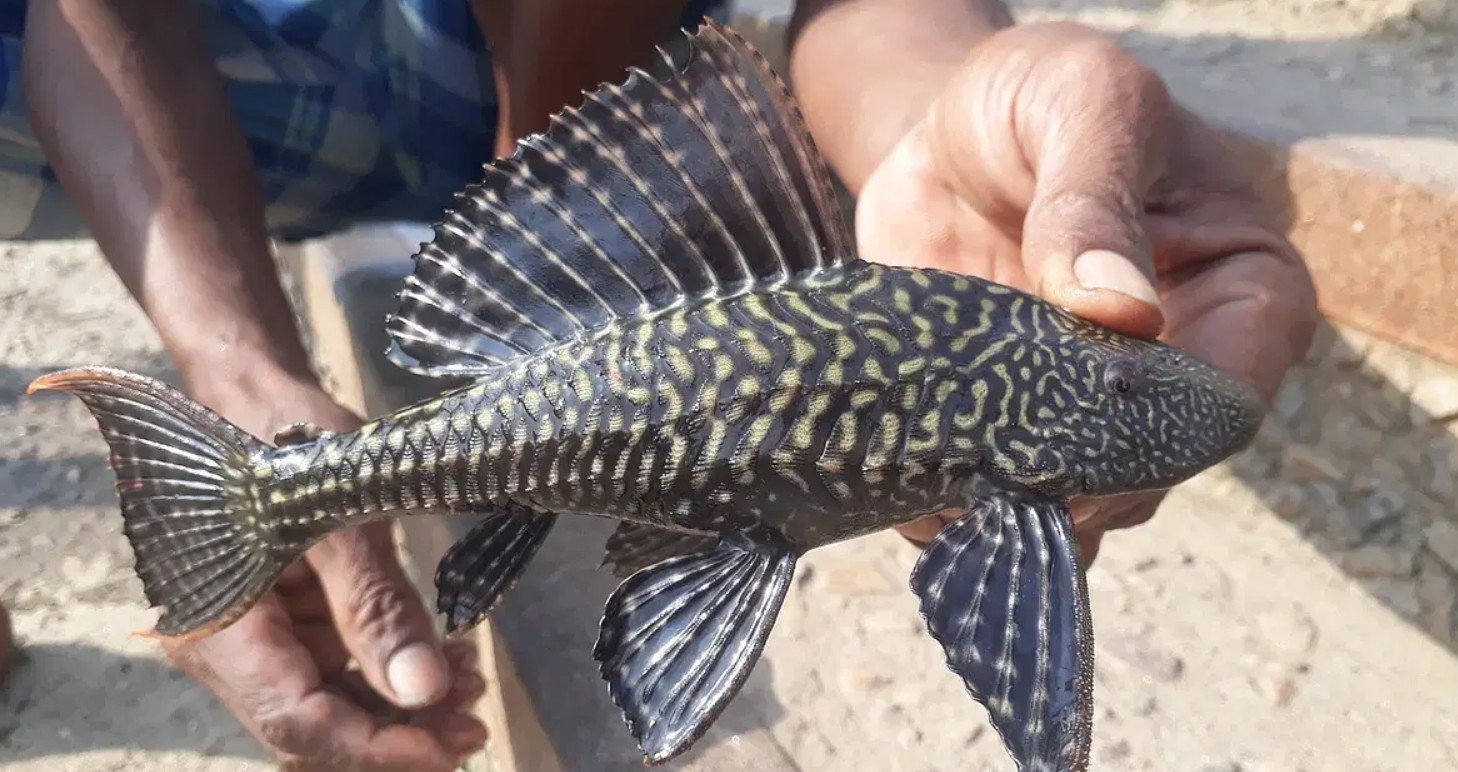
Ecological Importance of Suckerfish in Marine Environments
Maintaining Marine Health and Balance
Because they serve as both cleansers and food for other creatures, suckers are vital to the marine ecology. Their eating habits support the ecosystem’s general equilibrium, and their efforts assist preserve the health of huge marine species.
Role in Parasite Management
- Parasite Control: Suckerfish are essential for controlling parasites because they consume parasites that harm other marine creatures. This is crucial because external parasites may have a significant negative impact on huge marine creatures like sharks and whales, weakening them or even making them sick. Suckerfish assist these animals stay healthy and flourish by lowering their parasite burden.
Contribution to the Food Chain
- Food Chain Dynamics: Some predators, especially bigger fish, seabirds, and marine mammals, eat suckers. As prey for a variety of species, they contribute to the food chain even though they are not usually a major food source. The ecosystem’s general balance of marine life is supported by the presence of suckerfish.
Impact on Biodiversity
- Function in Aquatic Biodiversity: Suckerfish play a part in marine ecosystem biodiversity. The variety of species in a particular area is increased by their distinct behaviours and specialised eating methods. Suckerfish provide a niche that no other species occupy in particular environments by being the only fish that can clean specific big animals.
Types of Suckerfish and Notable Species
Overview of Suckerfish Diversity
Although there are many species of suckerfish, the Echeneidae family is the most well-known. These fish are often called sharksuckers or remoras. Their capacity to cling to bigger fish, sharks, and even vessels is well-known.
Remora (Echeneis naucrates)
The most well-known species of suckerfish is called Remora (Echeneis naucrates), and it is often seen affixed to sharks, rays, and sea turtles. They are well known for being able to cling to moving animals and cover great distances in pursuit of food.
Giant Remora (Remora remora)
A bigger species of remora, the giant remora (Remora remora) may reach a length of one metre (3.3 feet). It is well known that the huge remora may cling to the undersides of vessels and other marine creatures like whales.
Other Lesser-Known Species
Other Species: Suckerfish come in a number of distinct species, each with somewhat different habits and favoured hosts. While some species have a more broad approach, others are more specialised in latching to certain kinds of marine life.
FAQ (Frequently Asked Questions) about Suckerfish
Q: What is a Suckerfish?
Ans: Suckerfish, also known as remoras, are a family of fish that use a modified dorsal fin to attach themselves to larger marine animals, such as sharks, whales, and boats. They travel through the water by hitching a ride and feed on parasites and leftover food.
Q: How do Suckerfish attach to larger animals?
Ans: Suckerfish use a modified dorsal fin, which acts as a suction cup. This allows them to firmly attach themselves to the skin of larger animals, such as sharks or whales.
Q: Are Suckerfish good for the ocean?
Ans: Yes, suckerfish help maintain the health of marine animals by cleaning them of parasites, dead skin, and leftover food. This makes them an important part of marine ecosystems.
Q: Where can I find Suckerfish?
Ans: Suckerfish are found in tropical and subtropical oceans worldwide, including the Caribbean, Indian Ocean, and Pacific Ocean.
Q: Do Suckerfish have any natural predators?
Ans: Suckerfish have few natural predators due to their ability to attach to larger, more powerful animals. However, larger fish or marine mammals may prey on them if they are detached from their host.
Q: How long do Suckerfish live?
Ans: Suckerfish can live for about 5 to 10 years in the wild, depending on the species and environmental conditions.
Our sources and references about Suckerfish
1: Wikipedia – Suckerfish
2: Britannica – Remora (Suckerfish)
3: National Geographic – Remoras
4: Smithsonian Ocean – Remoras