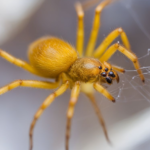
Yellow aphids are small, sap-sucking insects that are typically yellow in color. They are found on a variety of plants and can reproduce quickly, forming large colonies. While aphids are not generally harmful to humans, they can damage plants by draining nutrients, leading to stunted growth and weakened health.
Quick Top 10 Facts about Yellow Aphids
| SCIENTIFIC NAME | Aphis nerii |
| CLASSIFICATION | KINGDOM: Animalia PHYLUM: Arthropoda CLASS: Insecta ORDER: Hemiptera FAMILY: Aphididae GENUS: Aphis SPECIES: A. nerii |
| SIZE | Length: 1.5–2.6 mm |
| HABITAT | Commonly found on milkweed, oleander, and other ornamental and weedy plants in warm climates |
| DIET | Herbivorous; feeds on plant sap by piercing the plant’s vascular system |
| SPECIES | Yellow Aphids, specifically the Oleander Aphid, are bright yellow with black legs and cornicles (tailpipe-like tubes on their back) |
| COUNTRY | Found worldwide in tropical and subtropical regions, especially in gardens and greenhouses |
| REPRODUCTION | Reproduces asexually through parthenogenesis in most seasons; females give birth to live young without mating |
| LIFE SPAN | Several weeks; reproduction is rapid with multiple generations per season |
| CONSERVATION STATUS | Not Evaluated; considered a pest species due to their impact on cultivated plants |
Amazing Facts About Yellow Aphids
1. Bright yellow color
Yellow Aphids stand out with their striking yellow bodies and black appendages, making them easily recognizable on plants.
2. Sap-feeders
They feed by sucking the sap from host plants, which can weaken the plant and cause curling or yellowing of leaves.
3. Rapid reproduction
These aphids can reproduce quickly, with females often giving birth to live young without needing to mate, leading to rapid infestations.
4. Common on milkweed
Yellow Aphids are frequently seen on milkweed, where they may compete with Monarch caterpillars for space and resources.
5. Asexual reproduction
Most populations reproduce via parthenogenesis—females produce clones of themselves, which allows them to multiply quickly.
6. Produce honeydew
Yellow Aphids excrete a sugary substance called honeydew, which can attract ants and promote sooty mold on plant leaves.
7. Ants often protect them
Some ant species form mutualistic relationships with aphids, protecting them from predators in exchange for honeydew.
8. Threat to ornamental plants
While not always fatal, large infestations can stress plants and reduce their aesthetic and horticultural value.
9. Target for biological control
Natural predators like ladybugs and lacewings are commonly used to control Yellow Aphid populations in gardens and greenhouses.
10. No wings needed
Though some aphids develop wings, many Yellow Aphids are wingless and remain clustered in large colonies on their host plants.
Yellow Aphids: A Comprehensive Guide to These Microscopic Insects
Among the many types of aphids, yellow aphids are particularly notable for their unique look and possible effects on plants. Aphids are among the most prevalent pests that harm plants worldwide. Gardeners, farmers, and anybody else in charge of plant health should be concerned about these small, sap-sucking insects because they may harm crops, decorative plants, and garden plants. Due to their quick reproduction and capacity to spread plant diseases, yellow aphids are often a cause for concern. In-depth discussions on yellow aphids’ appearance, life cycle, effects on plants, management strategies, and function in plant ecosystems will be covered below:
What Are Aphids That Are Yellow?
Small, soft-bodied insects, aphids are members of the Aphididae family. They affect plants by removing essential nutrients from their sap, which may weaken the plant. Aphids may be variously coloured, such as green, black, red, and yellow, but their vivid yellow colour makes yellow aphids stand out. One subgroup of aphids that is seen on a variety of host plants is the yellow aphid. They are often seen in orchards, fields, and gardens where they eat flowers, vegetables, trees, and bushes. Aphis fabae, which infests crops like beans, and Aphis gossypii, which infects cotton plants, are two of the most prevalent yellow aphid species, but there are others. Because of their high numbers and quick reproduction, these aphids constitute a chronic problem if not properly managed.
Features of Yellow Aphids’ Bodies
Yellow aphids are tiny, usually ranging in length from 1 to 3 millimetres (0.04 to 0.12 inches). Their most distinctive characteristic is their yellow hue, which varies based on the species and developmental stage, ranging from light yellow to a deeper golden tint. A yellow aphid has a pear-shaped body and long, thin antennae that are usually half as long as the body. At the back of their bodies are siphunculi, sometimes known as “tail pipes,” which release a waxy substance that may help shield yellow aphids from predators and environmental stressors. They can walk over plants with ease since their legs are comparatively long compared to their body.
The Reproductive Ability of Yellow Aphids
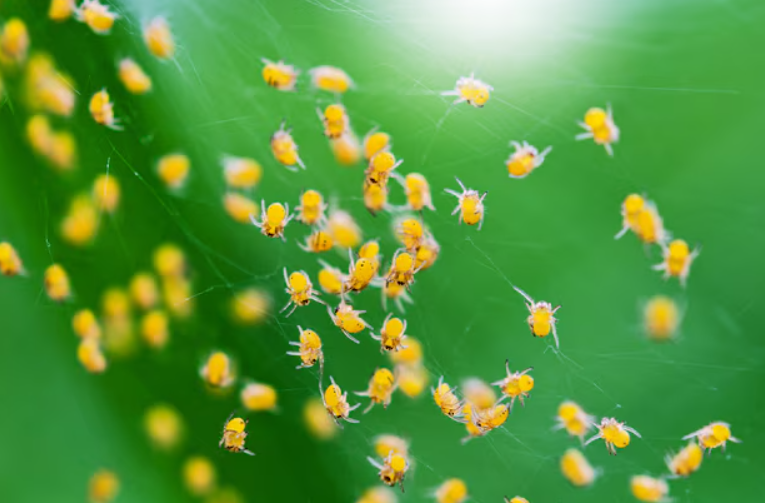
The capacity for rapid reproduction is another essential trait of yellow aphids. The ability of female aphids to make progeny without mating is known as parthenogenesis, a kind of asexual reproduction. This contributes to the quick development of infestations since a single aphid may produce several generations in a short period of time.
Life Cycle of Yellow Aphids
Multiple generations throughout the year and quick reproduction are characteristics of the yellow aphid life cycle. There are usually many phases in their lifecycle:
- Egg: Adult yellow aphids lay eggs, usually on the stems, leaves, or buds of plants, to begin their life cycle. Depending on the species and the habitat, eggs often spend the winter in the soil or on the plant.
- Nymph: The juvenile aphids emerge as nymphs in the spring when the eggs hatch. These nymphs start feeding on plant sap right away and resemble miniature copies of adult aphids. Aphids are particularly susceptible to predators and environmental fluctuations during this phase.
- Adult: The aphid becomes an adult after going through many moults. Aphids may reproduce at this stage and often use parthenogenesis to give birth to live progeny. Most often seen on plants, adult yellow aphids destroy plants by feeding on their sap.
- Winged Aphids: As they become older, certain yellow aphids will grow wings, especially if there are a lot of people in the population or there aren’t enough food sources. Because they can move to other plants, winged aphids may help the infestation expand to other locations.
- Winter Survival: Yellow aphids usually overwinter as eggs in colder locations, guaranteeing the species’ survival when the weather warms up again.
Female yellow aphids may give birth to up to 80 offspring throughout their lives, and these young can reach adulthood in as little as 7 to 10 days. Yellow aphids reproduce very quickly. Because of their quick reproductive cycle, yellow aphid populations may increase dramatically, which poses a serious threat to plant health.
The Impact of Yellow Aphids on Plants
From minor aesthetic damage to more significant health concerns, yellow aphids may harm plants in many ways. The following are some of the primary ways that yellow aphids affect plants:
- Sap Feeding: Yellow aphids use their piercing-sucking mouthparts to obtain nutrients from the phloem sap of plants. In addition to weakening the plant, this feeding may cause distorted plant tissues, yellowing leaves, and stunted development. Aphid feeding may have a major effect on crop production and plant health if it is not controlled.
- Production of Honeydew: Yellow aphids produce honeydew, a sticky material that covers the surface of plants, while they feed on plant sap. Sooty mould, a fungal development that covers leaves, stems, and fruit with a black covering, might be drawn to honeydew. By obstructing sunlight, sooty mould hinders photosynthesis and puts the plant under additional stress.
- Transmission of Plant Diseases: As vector organisms, yellow aphids may spread a number of plant diseases, including viruses like tobacco mosaic virus, cucumber mosaic virus, and potato leaf roll virus. Aphids may transmit these illnesses by feeding on an affected plant and then moving on to a healthy plant, which can result in reduced plant vitality and crop loss.
- Deformed Growth: Plant growth may also be deformed by aphids. Repetitive feeding may affect a plant’s capacity to photosynthesise and develop by causing galls (enlarged tissue growths) or leaf curling. Young plants or recently transplanted seedlings may suffer the most from this.
Managing Yellow Aphids
Keeping yellow aphids under control is crucial for preserving plant health because of the possible harm they might do. Aphid infestations may be controlled using a variety of techniques, including chemical treatments and natural predators.
Predators by Nature
The introduction of aphids’ natural predators is one of the best ways to manage them. Aphids are eaten by a variety of insects, including parasitic wasps, lacewings, and ladybirds, which helps to control their population. As a biological control measure, these predators may be brought into farms or gardens.

Oils and Soaps for Insecticides
Aphids may be killed on contact with insecticidal soaps and oils, such as horticultural oil or neem oil, without harming plants. These treatments work best when administered directly to the bug, disrupting the aphid’s cell structure.
Chemical Insecticides
Chemical pesticides could be required for infestations that are severe. These should be handled carefully, however, since they might damage the ecosystem and beneficial insects. Applying pesticides early in an infestation, before the aphid population becomes too big, is crucial, as is following the directions on labels.
Spraying Water
Aphids may be removed from plants using a powerful stream of water for minor infestations. Aphid populations may be temporarily decreased using this technique, which works best on non-delicate plants.
Customs and Traditions
Aphid infestations may be avoided in large part by keeping plants healthy. Healthy plants are less likely to sustain significant damage and are better equipped to resist aphid eating. Aphid attractiveness may also be decreased by crop rotation, appropriate spacing, and avoiding overfertilization.
FAQ (Frequently Asked Questions) about Yellow Aphids
Q: What are Yellow Aphids?
Ans: Yellow aphids, also known as Oleander Aphids or Milkweed Aphids (Aphis nerii), are small, soft-bodied insects that are typically bright yellow with black legs and cornicles (tailpipe-like structures). They are sap-sucking pests commonly found on plants like oleander, milkweed, and other ornamental and garden plants.
Q: Where do Yellow Aphids live?
Ans: Yellow aphids are found in warm and temperate regions worldwide. They thrive on host plants in gardens, greenhouses, and landscapes. They are especially common in areas with abundant milkweed and oleander plants, which serve as their primary food sources.
Q: What do Yellow Aphids eat?
Ans: Yellow aphids feed on the sap of plants by piercing stems, leaves, and flower buds with their needle-like mouthparts. They primarily target milkweed, oleander, and other related species. Their feeding can cause wilting, leaf curl, stunted growth, and reduced flowering.
Q: Are Yellow Aphids harmful to plants?
Ans: Yes, yellow aphids can be harmful to plants. Their feeding weakens plants and causes cosmetic and physical damage. Additionally, they excrete a sticky substance called honeydew, which can attract ants and lead to the growth of black sooty mold, further harming plant health.
Q: Do Yellow Aphids harm humans or pets?
Ans: No, yellow aphids do not harm humans or pets. They do not bite or sting, and their primary interaction is with plants. However, their presence can be a nuisance in gardens or greenhouses due to plant damage and honeydew secretion.
Q: How do Yellow Aphids reproduce?
Ans: Yellow aphids reproduce rapidly, often without mating through a process called parthenogenesis. Females give birth to live young (nymphs), which mature quickly and begin reproducing themselves. This results in large infestations in a short period.
Q: How can I get rid of Yellow Aphids?
Ans: Yellow aphids can be controlled through several methods, including spraying with water to dislodge them, using insecticidal soap, introducing natural predators like ladybugs and lacewings, and pruning affected plant parts. Avoiding over-fertilization can also help reduce aphid infestations.
Q: Are Yellow Aphids beneficial in any way?
Ans: While generally considered pests, yellow aphids can indirectly support ecosystems by serving as a food source for beneficial insects like ladybugs, hoverflies, and lacewings. However, their negative impact on host plants usually outweighs these benefits.
Q: What plants are most affected by Yellow Aphids?
Ans: Yellow aphids most commonly infest milkweed and oleander but can also affect other plants in the dogbane family. They may also occasionally appear on other garden plants when populations are high or preferred hosts are unavailable.
Q: Do Yellow Aphids spread diseases?
Ans: While not all aphids transmit plant viruses, some species are known to spread diseases. Yellow aphids may act as vectors under certain conditions, but their primary concern remains the physical and aesthetic damage they cause through sap-feeding and honeydew production.
#YellowAphids, #PlantPests, #GardenCare, #AphidControl, #MilkweedPests, #OleanderAphids, #InsectFacts, #PlantProtection, #Horticulture, #NaturalPestControl
Our sources and references about Yellow Aphids
1: Wikipedia – Aphis nerii (Oleander Aphid)
2: University of Florida – Oleander Aphid
3: Gardening Know How – Yellow Aphids
4: UC IPM – Aphids Management