Introduction to Yellow Bass: A Popular Game Fish
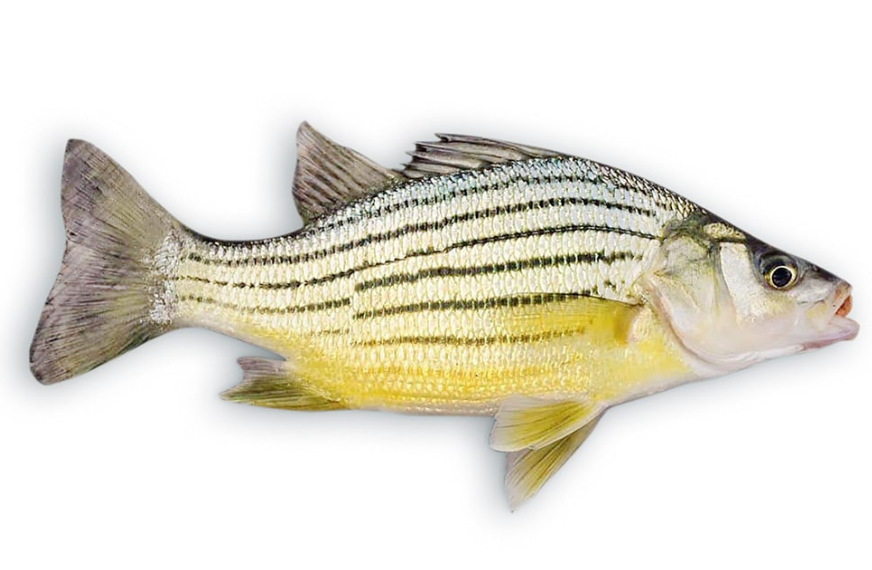
The Moronidae family of freshwater fish, which includes well-known species like the white bass and striped bass, also contains the yellow bass (Morone mississippiensis). Fishermen across the United States highly regard the yellow bass because of its unique appearance, aggressive nature, and mouth-watering flavour. You can find it in various parts of the Midwestern and Southern United States, living in freshwater bodies like rivers and lakes.
Top 10 Facts about Yellow Bass
| SCIENTIFIC NAME | Morone mississippiensis (Yellow Bass) |
| CLASSIFICATION | KINGDOM: Animalia CLASS: Actinopterygii ORDER: Perciformes FAMILY: Moronidae PHYLUM: Chordata GENUS: Morone |
| SIZE | Length: Up to 38 cm (15 inches) Weight: Up to 1.5 kg (3.3 lbs) |
| HABITAT | Freshwater rivers, lakes, and reservoirs; prefers clear, slow-moving or still waters |
| DIET | Carnivorous – Feeds on insects, small fish, crustaceans, and zooplankton |
| SPECIES | Yellow Bass (*Morone mississippiensis*) |
| COUNTRY | Native to the United States – primarily found in the Mississippi River basin and nearby regions |
| GESTATION PERIOD | Eggs hatch in 2–3 days after external fertilization during spawning season (spring) |
| LIFE SPAN | Up to 6–8 years in the wild |
| CONSERVATION STATUS | Least Concern – Population stable; not currently threatened |
Physical Characteristics of Yellow Bass
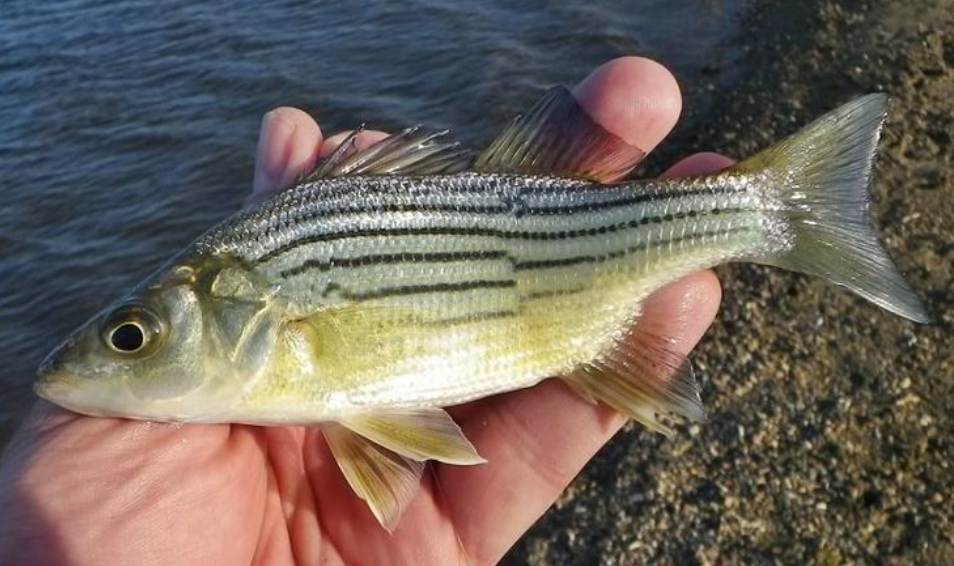
Yellow bass make an excellent target for recreational fishing because they are generally smaller than other bass species. Their body is elongated and slender, with lengths ranging from 7 to 15 inches (18 to 38 cm). Under the right conditions, they can occasionally reach up to 20 inches (51 cm).
Although larger specimens can weigh up to 3 pounds (1.4 kg), the average yellow bass weighs between 1 and 2 pounds (0.45 and 0.9 kg).
Body Features and Appearance
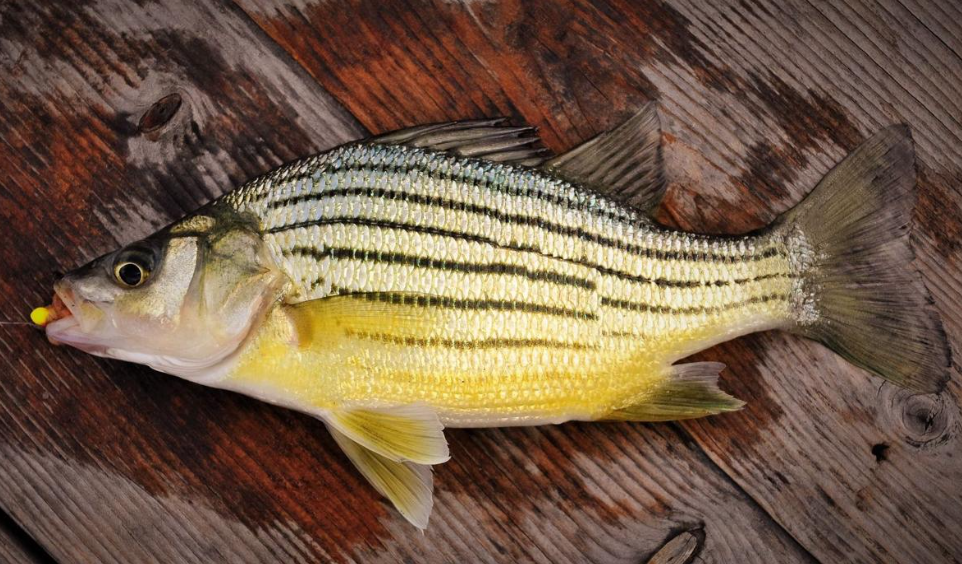
The yellow bass is named after its most distinctive feature: its yellowish body colour. From head to tail, dark horizontal stripes, usually black or dark green, mark the body. The stripes help the yellow bass blend into its surroundings. As with other bass family members, the yellow bass has a slightly forked tail and fins that are typically light grey or transparent.
Dorsal Fins and Eyes
The dorsal fins of yellow bass are sharp and spiky, providing protection from predators. These fins act as a defensive mechanism when the fish feels threatened. Their large eyes enable them to see well in low light, which is particularly useful in the muddy waters they often inhabit.
Yellow Bass Distribution and Habitat
The Mississippi River Basin and central United States are home to the yellow bass. They are commonly found in various freshwater environments, including rivers, lakes, and reservoirs. While they are distributed across the Midwest, South, and Great Lakes, they are particularly abundant in the lower Mississippi River and its tributaries.
Preferred Habitats
Yellow bass often reside near weedy regions, river bends, drop-offs, and structures like submerged trees or boulders. They prefer shallow, warm waters, especially in summer, when the conditions are ideal for eating and breeding. Yellow bass are highly adaptable to changing environmental conditions, capable of surviving in a variety of water qualities, including slightly brackish water.
Migration Patterns
During winter, yellow bass tend to migrate to deeper waters with more stable temperatures. They often school together in large groups, especially in winter when food is scarcer near the surface. As the weather warms, they return to shallow areas, increasing their hunting and breeding activity.
Feeding and Nutrition of Yellow Bass
As carnivores, yellow bass primarily feed on small fish and aquatic invertebrates. They commonly consume species like small sunfish, shad, and minnows, along with crabs and insects found in the same habitats. Yellow bass are energetic hunters, using their speed and agility to chase down their prey. Their strong teeth help them catch and hold onto smaller fish.
Dietary Transition of Yellow Bass
As they grow, young yellow bass transition to a more piscivorous (fish-eating) diet. Initially, they feed on smaller invertebrates and zooplankton. This shift is crucial for their development, as they need a protein-rich diet to support their rapid growth.
Feeding in Different Seasons
Yellow bass are particularly active in the spring and summer, when they often feed in shallow waters, consuming large schools of minnows and small fish. As the temperature drops, they shift to deeper waters, where food is harder to capture but still more abundant.
Life Cycle and Reproduction of Yellow Bass
Yellow bass spawn when water temperatures exceed 60°F (16°C), typically between April and June. They spawn in shallow waters, usually in areas with sandy or gravelly bottoms. During spawning, adult yellow bass form large schools and exhibit highly coordinated mating behaviour. Males often perform courting displays, such as chasing females in loops or around plants, to indicate their readiness to spawn.
Spawning Process
In shallow, sheltered areas, females lay hundreds of eggs, which are externally fertilised by males. Depending on water temperature, the fertilised eggs hatch within a few days to a week. The young yellow bass, called fry, begin their journey in the aquatic world.
Fry Development
As fry, yellow bass are tiny and delicate, feeding on zooplankton and phytoplankton. Over time, they switch to a more piscivorous diet and grow rapidly. By the time they reach 3 to 4 inches (7.6 to 10.2 cm) in length, they can actively pursue small fish, marking the shift to their adult dietary habits.
Lifespan of Yellow Bass
Yellow bass typically have a short lifespan, living three to four years in the wild. Although some may live slightly longer under ideal conditions, their populations fluctuate due to their fast reproduction rate and rapid development. This can sometimes lead to overpopulation in specific areas.
Yellow Bass Fishing
Yellow bass are a popular target for fishermen due to their active feeding habits and willingness to bite a variety of baits. Although you can catch them year-round, they are most aggressively pursued in shallow waters during spring and summer. They are especially active during dawn and dusk, which are the best times for fishing.
Fishing Techniques and Tips
Live bait, such as minnows or worms, is often very successful when fishing for yellow bass. Artificial lures, including spinners, jigs, and crankbaits, also attract yellow bass, especially in areas with large schools of smaller fish. To increase success rates, fish near structures like weed beds, submerged trees, and rock piles, which yellow bass prefer for hiding.
Locating Yellow Bass Schools
Finding schools of yellow bass is crucial for a successful fishing trip. These fish often gather in large numbers, particularly in winter, making it easier to catch multiple fish in one location. Fishermen can use sonar technology to locate these schools and improve their fishing experience.
Cooking Yellow Bass
Yellow bass are prized as table fare, and they offer an exciting and challenging catch for fishermen. Their firm, white flesh has a mild flavour and can be prepared in various ways, including pan-frying, grilling, or baking.
Conservation Status of Yellow Bass
According to the International Union for Conservation of Nature (IUCN), the yellow bass is a species of least concern and is not classified as endangered or at risk. However, like many freshwater species, its numbers may decline due to habitat loss caused by development, pollution, and water diversion. Overfishing in some areas, particularly during spawning seasons, can also lead to dwindling populations.
Fishing Regulations and Practices
To maintain sustainable populations, local authorities often impose regulations on the size and number of yellow bass that may be caught. Many fishermen are encouraged to practise catch and release to help preserve healthy yellow bass populations for future generations.
FAQ (frequently asked questions) about Yellow Bass
Q: What is a Yellow Bass?
Ans: The Yellow Bass is a freshwater fish species known for its yellowish body and dark horizontal stripes. It belongs to the Moronidae family and is native to parts of North America.
Q: Where do Yellow Bass live?
Ans: Yellow Bass are typically found in freshwater lakes, rivers, and reservoirs, especially in the Mississippi River basin and connected waterways.
Q: What do Yellow Bass eat?
Ans: Yellow Bass are carnivorous and primarily feed on small fish, insects, and aquatic invertebrates. They are active predators and often hunt in schools.
Q: How do Yellow Bass defend themselves?
Ans: Yellow Bass rely on their speed and schooling behavior to avoid predators. Their sharp dorsal spines also help deter larger fish from attacking them.
Q: How do Yellow Bass reproduce?
Ans: Yellow Bass spawn in the spring when water temperatures rise. They release eggs and sperm into the water column, and fertilization occurs externally. The eggs hatch in a few days.
Q: Are Yellow Bass good to eat?
Ans: Yes, Yellow Bass are edible and have a mild flavor. However, they have many small bones, which can make filleting and preparation more challenging than other game fish.
Q: How long do Yellow Bass live?
Ans: Yellow Bass typically live around 4 to 6 years in the wild, although some may live slightly longer depending on environmental conditions and predation.
Q: What are the characteristics of Yellow Bass?
Ans: Yellow Bass have a compressed, oval-shaped body with a yellowish-silver hue and several dark horizontal stripes running along their sides. They usually grow to about 6–12 inches long.
Q: Are Yellow Bass considered invasive?
Ans: In some regions, Yellow Bass are considered invasive because they can compete with native species for food and habitat. Their populations can grow rapidly in suitable environments.
Q: Can you catch Yellow Bass with a rod and reel?
Ans: Yes, Yellow Bass are popular among anglers and can be caught using light tackle with live bait or small lures, especially during spawning seasons when they are more active.
#YellowBass, #BassFishing, #FreshwaterFishing, #FishingLife, #CatchAndRelease, #AnglerLife, #FishingAdventure, #SportFishing, #FishOfTheDay, #FishingCommunity, #BassAngler, #FishingAddict, #NatureLovers, #FreshwaterFish, #HookedOnFishing
Our sources and references about Yellow Bass
1: Wikipedia
2: Missouri Department of Conservation
3: Texas Parks and Wildlife Department
4: Outdoor Alabama