Introduction to Yellowfin Tuna
Yellowfin tuna (Thunnus albacares) is one of the world’s most popular and valuable fish species. This vibrant, fast-swimming fish has become a prized catch for both commercial and recreational fishermen. Its exceptional size, strength, and culinary versatility contribute to its high demand. Yellowfin tuna is highly sought after for its firm, flavourful flesh and striking golden-coloured fins. It is a staple in many cuisines around the world. Below, you will find details on its biological characteristics, distribution, fishing techniques, nutritional value, and culinary applications:
Quick Top 10 Facts about Yellowfin Tuna
| SCIENTIFIC NAME | Thunnus albacares (Yellowfin Tuna) |
| CLASSIFICATION | KINGDOM: Animalia CLASS: Actinopterygii ORDER: Perciformes FAMILY: Scombridae PHYLUM: Chordata GENUS: Thunnus |
| SIZE | Up to 2.4 meters (7.9 feet) in length and can weigh up to 200 kg (440 pounds) |
| HABITAT | Found in tropical and subtropical oceans worldwide, particularly in the Indian and Pacific Oceans |
| DIET | Carnivorous – Primarily feeds on smaller fish, squid, and other invertebrates |
| SPECIES | Yellowfin Tuna (*Thunnus albacares*) |
| COUNTRY | Found in tropical and subtropical waters across the globe, especially in the Atlantic, Indian, and Pacific Oceans |
| GESTATION PERIOD | Spawning occurs in warm waters, with eggs hatching in a few days after fertilization |
| LIFE SPAN | Up to 7 years in the wild |
| CONSERVATION STATUS | Listed as “Near Threatened” (NT) by the IUCN due to overfishing and bycatch in fishing nets |
What is Yellowfin Tuna?
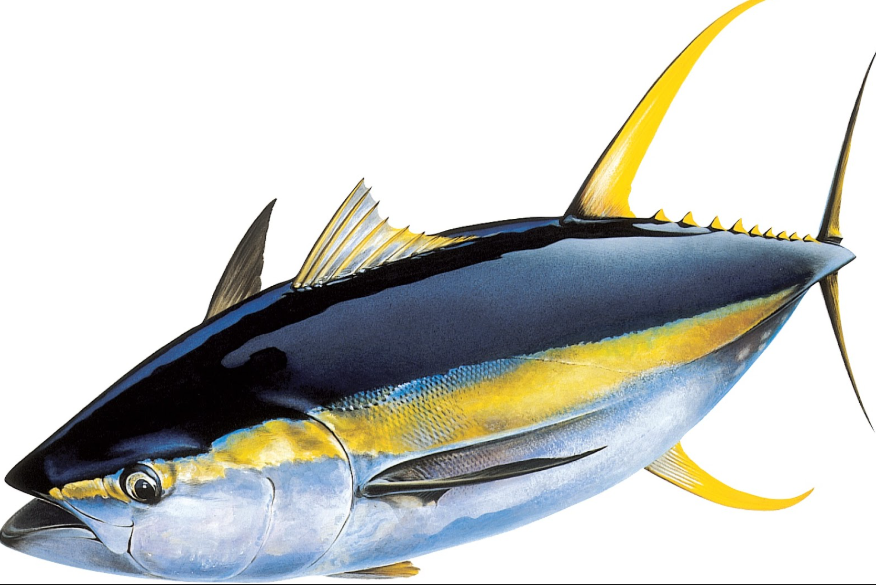
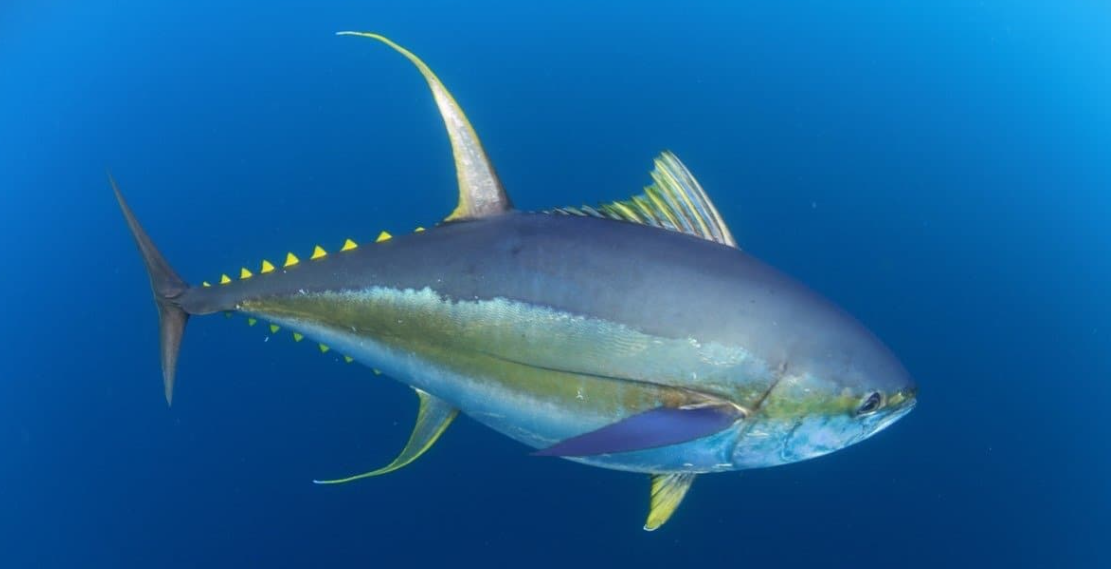
Yellowfin tuna are large, predatory fish that are easily identifiable by their long, sharp fins. They also have distinct yellow colouration along their dorsal and pelvic fins. These fast swimmers are known for their sleek, streamlined bodies and impressive speeds in the water. Their speed makes them formidable opponents for anglers.
Yellowfin tuna belong to the Thunnidae family, which includes other well-known tuna species like bluefin and albacore. They have a robust body structure with long, narrow fins that appear yellow, hence the name. They possess a silver belly and a dark blue back, which helps them blend in with deep ocean waters. Adult yellowfin tuna can grow up to 8 feet in length and weigh over 400 pounds, although the average size is typically around 50 to 100 pounds.
These tuna are renowned for their strength and endurance. They often put up a thrilling fight when caught, making them highly sought after by sport fishermen.
Yellowfin Tuna Distribution and Habitat
Yellowfin tuna live in tropical and subtropical oceans worldwide, particularly in the Indian and Pacific Oceans, as well as the Atlantic. They are highly migratory, travelling vast distances in search of food and spawning grounds. This wide distribution makes yellowfin tuna accessible to commercial and recreational fishermen in many regions. These include the waters off the coast of California and the Indian Ocean near Indonesia.
Yellowfin tuna typically inhabit offshore waters, especially around deep oceanic zones and the edges of continental shelves. They prefer warm waters, with a temperature range of 21°C to 29°C (70°F to 85°F) being ideal for their survival. These tuna often swim in schools at various depths, ranging from the surface to depths of 300 feet.
Yellowfin tuna are opportunistic feeders, preying on smaller fish, squid, and crustaceans. They are known to follow schools of smaller fish in their migration patterns.
Fishing for Yellowfin Tuna: Techniques and Tips
Due to their size, strength, and high commercial value, yellowfin tuna are a popular target for both recreational and commercial fishermen. However, catching yellowfin tuna requires a combination of skill, patience, and the right fishing techniques. Below are some of the most effective methods used to catch yellowfin tuna.
1. Trolling for Yellowfin Tuna
Trolling is one of the most common methods for catching yellowfin tuna. This technique involves dragging baited hooks or lures behind a moving boat, allowing the tuna to chase and strike the bait. Trolling is especially effective when targeting yellowfin tuna because it covers large areas of water, increasing the likelihood of encountering a school of tuna. The best time for trolling is early morning or late afternoon, when yellowfin tuna are most active and feeding near the surface.
When trolling for yellowfin tuna, anglers often use artificial lures that mimic the movement of small fish or squid. These lures are designed to catch the tuna’s attention. The use of multiple lines increases the chances of a successful catch. Live bait, such as small fish or squid, can also be used to entice tuna to strike.
2. Kite Fishing for Yellowfin Tuna
Kite fishing is another specialised method used to catch yellowfin tuna, particularly in regions where the fish are feeding near the surface. This technique involves using a kite to fly a baited hook or lure on the water’s surface. The kite allows the bait to remain suspended above the water, attracting the tuna to strike. Kite fishing is often used in combination with other techniques, such as trolling, to maximise the chances of catching yellowfin tuna. 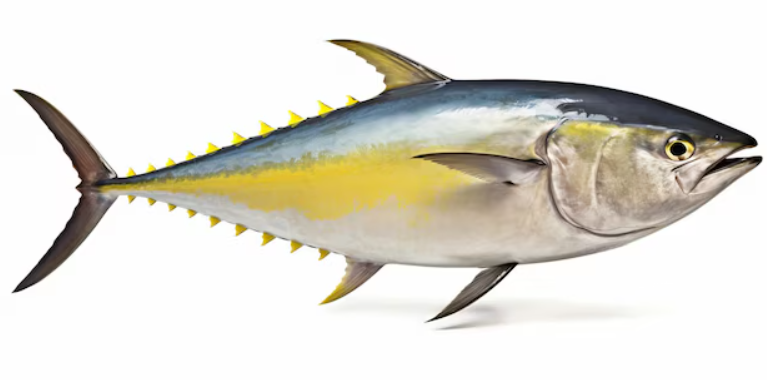
3. Chunking and Chumming
Chunking and chumming are methods used to lure yellowfin tuna into striking by creating a food source in the water. In chunking, anglers cut up pieces of fish and drop them into the water, creating a trail of scent that attracts the tuna. Chumming involves releasing small fish or other bait into the water to draw the tuna closer to the boat. Both methods require patience and the ability to wait for the fish to be drawn in by the scent trail.
4. Fly Fishing for Yellowfin Tuna
Fly fishing for yellowfin tuna is a challenging but rewarding method. This technique requires specialised gear, including a heavy fly rod, large flies, and a fast-action reel capable of handling the strength of yellowfin tuna. Fly fishing is typically used when tuna feed on smaller prey near the surface. It offers an exciting, hands-on experience for anglers. Catching yellowfin tuna on a fly rod is considered a significant accomplishment due to the species’ size and strength.
Nutritional Value of Yellowfin Tuna
Yellowfin tuna is not only prized for its taste but also for its exceptional nutritional value. This fish is a rich source of lean protein, omega-3 fatty acids, and essential vitamins and minerals. It makes a highly nutritious addition to a balanced diet. A 3-ounce (85-gram) serving of cooked yellowfin tuna contains approximately:
- Calories: 110–130 kcal
- Protein: 24–25 grams
- Fat: 1–3 grams (mainly unsaturated fats)
- Omega-3 Fatty Acids: 400–600 milligrams
Vitamins and minerals: Yellowfin tuna is a good source of B vitamins, especially B12, which is essential for nerve function and red blood cell production. It also contains selenium, a mineral that plays a role in antioxidant defence, and vitamin D, which is important for bone health.
In addition to being low in fat and rich in protein, yellowfin tuna’s omega-3 fatty acids provide heart health benefits. These help reduce inflammation, lower blood pressure, and improve overall cardiovascular health.
Yellowfin Tuna in Cooking
Yellowfin tuna is highly versatile in the kitchen and can be prepared in a variety of ways. Its firm texture and mild flavour make it ideal for grilling, searing, sashimi, or even incorporating into stews and casseroles.
1. Grilled Yellowfin Tuna
Grilling is one of the most popular ways to cook yellowfin tuna. It enhances the fish’s natural flavour while providing a satisfying smoky char. To grill yellowfin tuna, season the fish with salt, pepper, and your favourite herbs or spices. Grill for 3-4 minutes per side for a medium-rare finish. Serve with a fresh salad or a side of roasted vegetables for a complete meal.
2. Yellowfin Tuna Sashimi
Yellowfin tuna is a key ingredient in sushi and sashimi, prized for its delicate, melt-in-your-mouth texture. Sashimi is a Japanese dish where the fish is thinly sliced and served raw. It is often served with soy sauce, wasabi, and pickled ginger. When preparing yellowfin tuna for sashimi, ensure that the fish is fresh and properly handled to prevent contamination.
3. Seared Yellowfin Tuna
Seared yellowfin tuna is another popular method of preparation. The outside of the fish is cooked to a crisp, golden-brown crust, while the inside remains rare to medium-rare. This cooking method is quick and simple, allowing the natural flavours of the tuna to shine through.
4. Tuna Steaks
Yellowfin tuna steaks are an excellent choice for those who prefer a heartier meal. These thick cuts of fish can be pan-seared or grilled, and they hold up well to marinades or bold spices. Pair with a tangy lemon or soy-based sauce for added flavour.
Sustainability and Conservation of Yellowfin Tuna
As demand for yellowfin tuna has grown over the years, concerns about overfishing and sustainability have emerged. Yellowfin tuna populations face pressure in some parts of the world. Responsible fishing practices are essential to ensure the species’ long-term survival. Many fisheries have implemented regulations, such as size limits, catch quotas, and fishing seasons, to prevent overexploitation.
Additionally, sustainable fishing certifications, such as those from the Marine Stewardship Council (MSC), help consumers make informed choices about the seafood they purchase. Choosing sustainably sourced yellowfin tuna helps protect the species and ensures a healthy marine ecosystem for future generations.
FAQ (Frequently Asked Questions) about Yellowfin Tuna
Q: What is a Yellowfin Tuna?
Ans: The Yellowfin Tuna, scientifically known as Thunnus albacares, is a species of large tuna found in tropical and subtropical oceans. It is known for its yellow fins and sleek body.
Q: Where do Yellowfin Tuna live?
Ans: Yellowfin Tuna are found in warm waters across the world’s oceans, particularly in the Indian and Pacific Oceans, where they migrate across large distances.
Q: What do Yellowfin Tuna eat?
Ans: Yellowfin Tuna are carnivorous, feeding on a variety of prey, including smaller fish, squid, and other marine creatures such as crustaceans.
Q: How do Yellowfin Tuna defend themselves?
Ans: Yellowfin Tuna rely on their speed and agility to evade predators. They use their powerful tails to swim at high speeds and avoid capture.
Q: How do Yellowfin Tuna reproduce?
Ans: Yellowfin Tuna reproduce through external fertilisation. Females release eggs, which are fertilised by males in open water, and the eggs hatch into larvae.
Q: Are Yellowfin Tuna important to humans?
Ans: Yes, Yellowfin Tuna are economically significant. They are a popular target for commercial and sport fishing and are widely consumed as a source of seafood.
Q: How long do Yellowfin Tuna live?
Ans: Yellowfin Tuna typically live for 6 to 7 years. However, some individuals can live longer, especially in protected environments like aquariums.
Q: What are the characteristics of Yellowfin Tuna?
Ans: Yellowfin Tuna are known for their streamlined bodies, yellow dorsal and pelvic fins, and sharp, slender shape that allows them to swim at high speeds.
Q: Do Yellowfin Tuna have any natural predators?
Ans: Yes, Yellowfin Tuna face predation from larger marine predators such as sharks, orcas, and large fish species, particularly when they are young.
Q: Are Yellowfin Tuna endangered?
Ans: Yellowfin Tuna are not currently endangered. However, overfishing and unsustainable fishing practices have caused population declines in some regions, raising concerns for their long-term sustainability.
#YellowfinTuna, #TunaFishing, #Yellowfin, #SaltwaterFishing, #BigCatch, #FishingLife, #OceanFishing, #TunaFish, #FishingAdventure, #SportFishing, #FishingCommunity, #FishingCharter, #CatchOfTheDay, #SeafoodLovers, #MarineLife
Our sources and references about Yellowfin Tuna
1: Wikipedia
2: National Geographic
3: FishBase
4: NOAA Fisheries