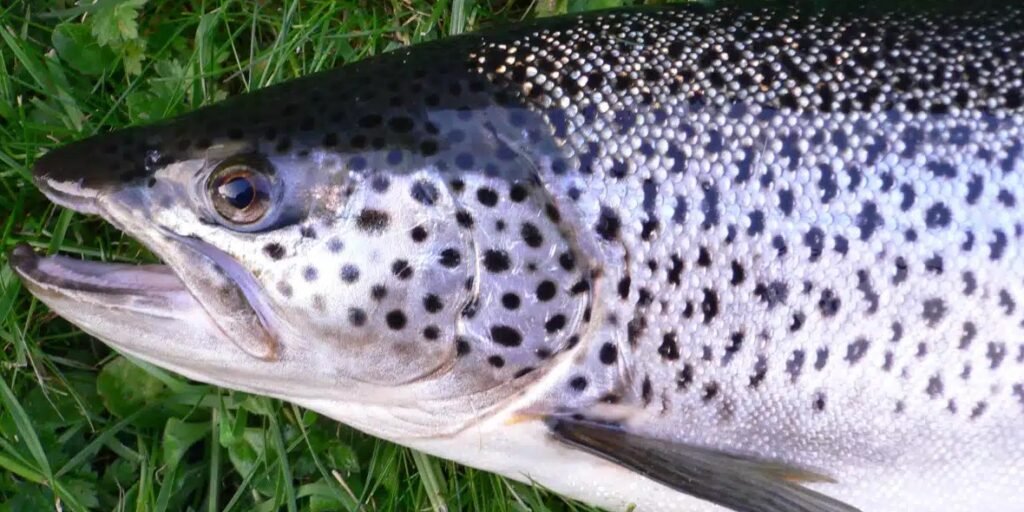
Sea trout are a species of fish that are known for their ability to thrive in both freshwater and saltwater environments. They are commonly found in coastal areas, estuaries, and rivers. Sea trout are anadromous, meaning they migrate between freshwater and saltwater during different stages of their life cycle. These fish are highly prized by anglers due to their fighting ability and delicious meat. They are known for their silvery scales, sleek bodies, and ability to grow to impressive sizes. Sea trout are important for the ecosystems they inhabit, playing a role in both freshwater and marine food chains.
Quick Top 10 Facts about Sea Trout
| SCIENTIFIC NAME | Salmo trutta (for the common sea trout species) |
| CLASSIFICATION | KINGDOM: Animalia PHYLUM: Chordata CLASS: Actinopterygii ORDER: Salmoniformes FAMILY: Salmonidae |
| SIZE | Length: 40–80 cm (16–31 inches), depending on the habitat and availability of food |
| SPECIES | Common species include the Brown Trout (Salmo trutta) and its migratory form, the Sea Trout. |
| APPEARANCE | Sea trout have a sleek, elongated body with silvery skin, and their coloration can vary depending on their environment. Their dorsal fin is often spotted, and they have small, sharp teeth. |
| LIFE SPAN | Typically 4–10 years, depending on environmental conditions and migration patterns |
| HABITAT | Sea trout are found in both freshwater and marine environments, including rivers, lakes, estuaries, and coastal waters. |
| DIET | Sea trout are carnivorous, feeding on a diet that includes smaller fish, crustaceans, insects, and other invertebrates. |
| NATURAL PREDATORS | Larger fish, birds of prey, and mammals such as otters may prey on sea trout, particularly juveniles. |
| COUNTRY | Sea trout are found in a variety of countries, including coastal regions of Europe, the United States, and parts of Asia. |
| GESTATION PERIOD | Sea trout typically spawn in freshwater rivers, with egg incubation periods ranging from 1–3 months, depending on environmental conditions. |
| CONSERVATION STATUS | Sea trout populations are impacted by overfishing, habitat destruction, and water pollution. Conservation efforts are in place to protect their natural habitats and ensure sustainable fishing practices. |
Amazing Facts About Sea Trout
1. Migratory Species
Sea trout are anadromous, meaning they migrate from freshwater rivers to saltwater coastal areas and then return to freshwater to spawn. This migration can be quite long, and they can travel hundreds of kilometers during their life cycle.
2. Excellent Fighters
Sea trout are highly sought after by anglers due to their strong fighting ability. When hooked, they put up a vigorous struggle, making them a challenging and exciting catch.
3. Great Tasting Fish
Sea trout are prized for their meat, which is tender, flavorful, and often considered a delicacy in many coastal regions.
4. Variable Appearance
The appearance of sea trout can vary significantly depending on their environment. When in saltwater, they are typically silver with small dark spots, but in freshwater, they often have a more pronounced brown coloration.
5. Role in Ecosystems
Sea trout play a key role in the ecosystems of both freshwater and marine environments. They are a significant food source for predators and help maintain the balance of local food webs.
6. Spawning Habits
Sea trout spawn in freshwater rivers, typically during the winter months. Their eggs hatch in spring, and the young fish, known as fry, migrate downstream to the ocean.
7. A Range of Habitats
Sea trout are adaptable and can thrive in a variety of environments, from freshwater lakes and rivers to estuaries and coastal ocean waters.
8. Long Lifespan
Sea trout can live for several years, with some individuals reaching 10 years of age. They tend to live longer in protected, unpolluted environments.
9. A Threatened Species
Many sea trout populations are threatened by overfishing, pollution, and habitat destruction. Conservation measures, including fishing regulations and habitat protection, are necessary to sustain these populations.
10. The Mystery of Their Migration
Sea trout’s migration patterns are still a subject of scientific study. Researchers are constantly learning more about how these fish navigate across vast distances to return to their spawning grounds.
The Intriguing World of a Migratory Fish: Sea Trout
A fascinating fish species, sea trout, sometimes called brown trout or Salmo trutta, are vital to freshwater and marine environments. Although sea trout are sometimes grouped with the trout family, their migratory habits—spending a portion of their life in the ocean and then returning to rivers and streams to spawn—set them apart from their freshwater counterparts. Because of their unusual life cycle and unique traits, sea trout are a fascinating topic for marine scientists, environmentalists, and fishermen.
The biology, habitat, behaviour, life cycle, and ecological importance of sea trout will all be covered in this article. We will also examine the significance of sea trout in different cultures, as well as their place in fishing industries and present state of conservation.
1. Sea Trout: What Are They?
One species of brown trout that migrates is the sea trout. Sea trout migrate to the ocean as juveniles and spend several years in saltwater before returning to freshwater rivers to reproduce, while brown trout may live their whole lives in freshwater habitats. They differ from their solely freshwater ancestors in that they have a mixed habitat existence. Sea trout have evolved unique characteristics that enable them to flourish in both freshwater and marine habitats, while having a common ancestor with other trout species.
The Salmonidae family, which also comprises salmon and other trout species, includes sea trout. Their bigger size, distinct colouring, and migratory habits often set them apart from ordinary brown trout.
2. Physical Attributes of Sea Trout
Although they may sometimes be mistaken for other trout or salmon species, sea trout are readily recognised by their many morphological characteristics. Below is a summary of their salient physical attributes:
Dimensions of Sea Trout
- The size of sea trout varies according on their habitat and food availability. Although they may sometimes grow up to 40 inches (100 cm) long, they usually reach a maximum length of 20 to 30 inches (50 to 75 cm). Larger individuals are usually found in areas like nutrient-rich estuaries where there are plenty of food sources.
- Sea trout typically weigh between 4 and 8 pounds (1.8 and 3.6 kg), although sometimes they reach more than 10 pounds (4.5 kg).
Colours of Sea Trout
- Typically silver in colour, sea trout have darker markings on their fins, flanks, and backs to help them blend in with the bottom in deeper waters. Compared to spots seen on solely freshwater fish, these spots are often darker and more asymmetrical.
- The fish’s surroundings might affect its colouration. Sea trout may have a browner or more olive colour during the freshwater phase, and as they age, their spots will become more noticeable.
Body Shape of Sea Trout
- The streamlined body structure of sea trout allows them to swim well in both fresh and saltwater. Because their bodies are usually fashioned like a torpedo, they can easily manoeuvre between river and ocean currents.
- The fish can move quickly because to its long, muscular tail, which is crucial for capturing food and avoiding predators.
3. Distribution and Habitat
From the coasts of North America and Europe to regions of the Southern Hemisphere, sea trout may be found in coastal waters all over the globe. Originally from regions of Asia, Europe, and the North Atlantic Ocean, their range has grown as a result of introductions into new habitats and stocking efforts.
Estuarine and Coastal Habitats
- River mouths and estuaries are vital sea trout habitats. Sea trout may adapt to both freshwater and saltwater habitats in these places, which serve as transitional zones.
- Because of their migratory habits and great degree of adaptability, sea trout may flourish in estuaries—where riverine freshwater meets oceanic saltwater—with varied salinity levels.
- Once in the ocean, sea trout often remain close to the shore, frequently in shallow waters that are rich in food sources such as crustaceans, molluscs, and small fish.
Freshwater Habitats
- Freshwater rivers and streams are the birthplace of sea trout. Before moving to the ocean as juveniles, they live in freshwater environments for the first portion of their lives.
- Depending on the area, they return to these freshwater rivers to spawn, often in the winter months. Although sea trout may travel great distances to reach their home rivers, they often spawn in the same rivers where they were born.
Worldwide Distribution of Sea Trout
- Sea trout may be found in large numbers around the shores of nations such as Sweden, Norway, Ireland, and the United Kingdom in Europe.
- With sizable numbers in Canada and the northeastern United States, they may be found in North America along the Atlantic coast from Newfoundland to North Carolina.
4. Sea Trout Life Cycle
The migratory behaviour of sea trout defines its life cycle. At various points in their lives, they transition between freshwater and saltwater, after an intriguing series of occurrences. The life cycle of a sea trout is summarised as follows:
Egg Stage
- The life cycle of sea trout begins in freshwater rivers, where the female fish deposits her eggs in redds, which are gravel nests. The male trout externally fertilises the eggs, and the young sea trout, known as alevins, spend many months in the freshwater habitat after hatching.
- Until they are mature enough to begin consuming tiny invertebrates, alevins rely on the yolk sacs that are attached to their bodies for sustenance.
Fry Stage
- The alevins become fry after absorbing their yolk sacs. At this point, they begin to consume microscopic species from the freshwater environment, such plankton and aquatic insects. The fry begin to display their distinctive spots and silver colouring as they become bigger.
Juvenile Stage
- Sea trout go through a process called smoltification, which gets them ready for life in saltwater, after spending months or years in freshwater. The smolts become more streamlined and learn to withstand the salty conditions.
- When sea trout enter estuaries as juveniles, they experience further alterations as a result of the water’s salinity.
Adult Stage
- Sea trout move to the ocean after smoltification, where they will develop and mature over a number of years. They are quite active in the water, where they consume prawns, tiny fish, and other marine life.
- Before feeling the need to return to freshwater for spawning, sea trout may spend one to four years in the ocean.
Spawning
- Sea trout return to their birth rivers to reproduce after reaching adulthood. Environmental and biological factors including food availability, water temperature, and genetic programming all influence this movement.
- The natural cycle is completed when adult sea trout die after spawning. Some may live, however, and go back to the ocean to continue the trip in later years.
5. Behaviour and Feeding
Depending on their life stage, sea trout, which are predatory fish, may behave both alone and in groups. They are renowned for their violent predation, especially while hunting in the water, where they consume crustaceans and small fish.
Consuming Food
- In freshwater rivers and streams, juvenile sea trout consume zooplankton, tiny crustaceans, and aquatic insects.
- In the ocean, adult sea trout pursue crustaceans like prawns and crabs and tiny fish like sardines and herring. The amount of prey in their environment determines how they eat.
- Because they are opportunistic feeders, sea trout will modify their diet in response to the availability of food in their surroundings.
Action and Movement
- Sea trout are often more sedentary in freshwater, remaining in one place to eat and develop.
- Sea trout are migratory and predatory fish that can travel great distances in search of food. Being quick swimmers, they exploit their agility and speed to evade bigger predators and capture smaller fish.
6. Cultural and Economic Significance
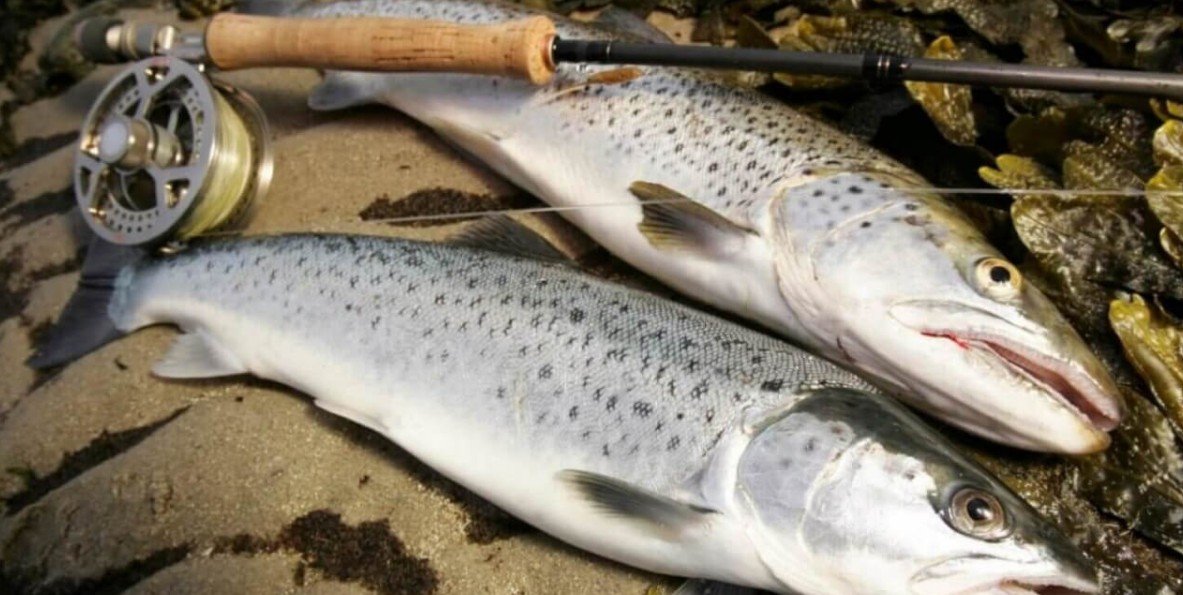
Sea trout are important both economically and culturally, especially in areas where fishing is a major activity. Sea trout are a highly sought-after catch among fishermen, being targeted by both the commercial and recreational fishing industries. The difficulty of capturing sea trout, which are prized for their cunning and elusiveness, enhances their appeal as sport fish.
Angling
- In fly fishing and coastal angling, sea trout are common targets. In order to experience the excitement of capturing this difficult and formidable fish, fishermen search for sea trout in rivers, estuaries, and along beaches.
Aquaculture
- The business of sea trout farming has expanded over time, especially in nations like Chile and Norway where farming facilities produce farmed trout for the international market.
7. Threats and Conservation
Sea trout populations are mostly steady, although they are threatened by a variety of environmental factors, including as pollution, habitat loss, and climate change. Sea trout are susceptible to population losses as a result of changes in ocean currents and rising water temperatures that affect their migratory patterns and food availability.
To preserve the long-term viability of sea trout populations, conservation activities concentrate on preserving healthy river ecosystems, cutting pollution, and rehabilitating habitats.
FAQ (Frequently Asked Questions) about Sea Trout
Q: What is a sea trout?
Ans: Sea trout is a migratory fish species, a variety of brown trout, that spends part of its life in the sea and returns to freshwater to spawn.
Q: Where are sea trout found?
Ans: Sea trout are found in coastal and freshwater environments, including rivers, lakes, and estuaries in parts of Europe, the United States, and Asia.
Q: What do sea trout eat?
Ans: Sea trout are carnivorous, eating smaller fish, invertebrates, and crustaceans. Their diet varies based on their environment.
Q: How long do sea trout live?
Ans: Sea trout typically live between 4 to 10 years, depending on environmental factors and fishing pressures.
Q: Are sea trout endangered?
Ans: Some sea trout populations are threatened by habitat destruction, overfishing, and water pollution, making conservation efforts important for their survival.
Q: How do sea trout migrate?
Ans: Sea trout migrate from freshwater rivers to the sea and return to the same freshwater locations to spawn. They use environmental cues to navigate these long migrations.
Q: How do sea trout reproduce?
Ans: Sea trout spawn in freshwater rivers, where they lay eggs in gravel nests. The eggs hatch, and the fry move to the sea as they mature.
Q: Can sea trout be kept as pets?
Ans: Sea trout are wild fish and are not suitable for being kept as pets. Conservation efforts focus on protecting their natural habitats.
Q: What is the best way to catch sea trout?
Ans: Anglers typically catch sea trout by fly fishing or using lures. The best time to catch them is during their migration periods when they move between freshwater and saltwater.
Q: How do sea trout contribute to the ecosystem?
Ans: Sea trout are an important food source for predators and help maintain the health of freshwater and marine ecosystems by being a part of the food chain.
#SeaTrout #MigratoryFish #FreshwaterFish #SaltwaterFish #Fishing #Angling #Ecosystem #WildlifeConservation
Our sources and references about Sea Trout
1: Wikipedia – Sea Trout
2: NOAA – Sea Trout
3: Britannica – Sea Trout
4: Tufts University – Sea Trout Study