Quick Top 10 Facts about African Sugarcane Borer
| SCIENTIFIC NAME | Eldana saccharina (African Sugarcane Borer) |
| CLASSIFICATION | KINGDOM: Animalia CLASS: Insecta ORDER: Lepidoptera FAMILY: Crambidae PHYLUM: Arthropoda GENUS: Eldana |
| SIZE | Adult wingspan: ~20–25 mm (0.8–1 inch) Larvae length: Up to 25 mm (1 inch) |
| HABITAT | Tropical and subtropical agricultural regions; particularly in sugarcane fields across Sub-Saharan Africa |
| DIET | Larvae feed on sugarcane stems and other grasses; adults feed minimally or not at all |
| SPECIES | African Sugarcane Borer (Eldana saccharina) |
| COUNTRY | Widely distributed in Sub-Saharan Africa; found in countries such as South Africa, Nigeria, and Mozambique |
| GESTATION PERIOD | Eggs hatch in 3–7 days; complete life cycle takes about 30–60 days depending on temperature |
| LIFE SPAN | Adult moths live for about 5–10 days |
| CONSERVATION STATUS | Not evaluated – considered an agricultural pest, especially for sugarcane crops |
African Sugarcane Borer and its significance in the agricultural industry
One kind of moth endemic to Africa is the African Sugarcane Borer. Because it feeds on sugarcane and other crops and seriously damages agricultural areas, it is notorious for its destructive tendencies. Because this insect may result in significant financial losses, farmers in Africa are becoming more concerned about it.
Life cycle of the pest: different stages from egg to adult
The four stages of the African Sugarcane Borer’s life cycle are the egg, larva, pupa, and adult. The sugarcane plant’s leaves are where the female moth deposits her eggs, and the hatchlings that emerge from them pierce the stalks to feed on the plant’s tissues. The larvae weaken the sugarcane stalks and increase their susceptibility to diseases and other pests as they develop by boring tunnels within the plant.
Importance of monitoring the presence and population of the African Sugarcane Borer
The extremely adaptive pest known as the African Sugarcane Borer may survive under a wide range of weather conditions. It may become resistant to certain pesticides, which makes it difficult for farmers to manage its population. Crop rotation, biological control, and the adoption of resistant types are examples of integrated pest management techniques that are often utilised to lessen the harm this insect causes.
Economic impact of the African Sugarcane Borer on sugarcane production, both in terms of yield losses and control measures
Furthermore, in order to stop the African Sugarcane Borer from spreading and to lessen its effects on sugarcane output, routine monitoring and early infestation identification are essential. In Africa, a serious pest that has an impact on sugarcane crops is the African sugarcane borer, or Eldana saccharina. The damaging eating habits of this insect, which is endemic to the continent, have made it a serious problem for sugarcane growers. The influence of the African sugarcane borer on the sugarcane sector will be discussed in this article, along with some other pertinent information.
1. Physical characteristics of the African Sugarcane Borer
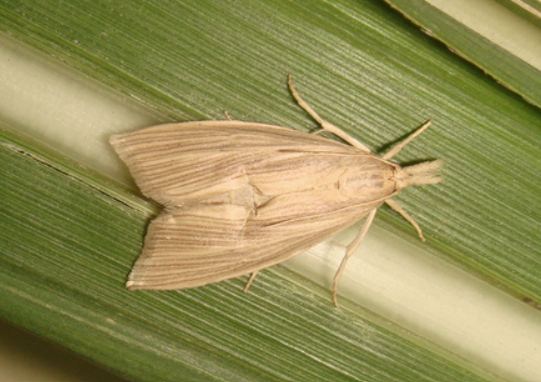
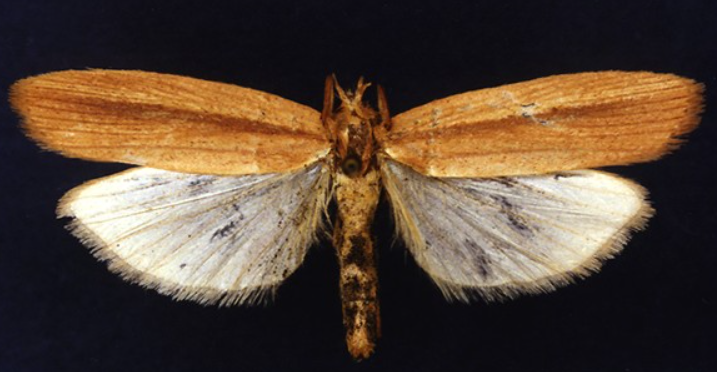
Pyralidae is a family of moths that includes the African sugarcane borer. It has forewings that alternate between light and dark brown bars, giving it a wingspan of around 20 to 30 mm. With a brown head and creamy white body, the larvae, also called borers, may grow up to 30 mm in length.
2. Different stages it goes through: egg, larva, pupa, and adult
Egg, larva, pupa, and adult are the four stages of the African sugarcane borer’s life cycle. In less than a week, the larvae of adult moths emerge from eggs laid on the leaves of sugarcane plants. Following their tunnelling, the larvae eat and develop within the sugarcane stalks. The duration of the larval stage varies according to the surrounding circumstances and might span many weeks. Within a few weeks after reaching complete development, the larvae pupate within the stalks and become adult moths.
3. Feeding habits of the African Sugarcane Borer, including the parts of the plant it targets
The most harmful stage of this insect is the larvae, or African sugarcane borer. Their significant harm to the vascular tissue occurs when they dig into the stalks of sugarcane plants. Because of their weakening caused by this feeding activity, the plants have less growth, less sugar, and are more susceptible to illness. Crop losses of up to 30 percent or more may occur from severe infestations.
4. Regions where the African Sugarcane Borer is commonly found
Several nations in sub-Saharan Africa, notably South Africa, Mozambique, Zimbabwe, and Kenya, are home to the African sugarcane borer. Because these weather conditions are ideal for sugarcane development, they favour warm, humid weather. Variables, including temperature, precipitation, and the presence of appropriate host plants, affect the pest’s range.
5. Various control methods, including cultural practices, biological control, and chemical control options
It takes a comprehensive pest control strategy to eradicate the African sugarcane borer. Farmers that grow sugarcane often use the following control strategies:
Utilising predators and parasitic wasps as natural enemies to lower the sugarcane borer population is known as biological control.
Chemical control: using pesticides to specifically target and destroy larvae. Mitigating the effects on non-target creatures and the environment requires careful scheduling and monitoring.
The adoption of resistant cultivars, crop rotation, and residue clearance are examples of cultural control methods that are used to control the population of pests.
Mechanical Control: Outbreaks may be minimised by using small-scale physical techniques such as hand-picking larvae and trapping them.
6. Research and Development in pest management techniques and their implications for controlling this pest
Searches for novel and long-lasting ways to control the African sugarcane borer are the main goal of ongoing research and development projects. Along with investigating biological control agents and ecologically friendly pesticides, this also involves the production of genetically modified sugarcane cultivars that are more resistant to the bug.
Implementing an integrated pest management approach to effectively manage the African Sugarcane Borer
Sugarcane harvests in Africa are being threatened by the African sugarcane borer. Because of its destructive eating habits, farmers may suffer significant financial losses. Reducing the insect’s negative effects on the sugarcane sector requires the use of effective management techniques, such as integrated pest control techniques. Future attempts to control the African sugarcane borer and safeguard sugarcane crops seem promising. Research and development work is still ongoing.
FAQ (frequently asked questions) about African Sugarcane Borer
Q: What is the African Sugarcane Borer?
Ans: The African Sugarcane Borer (Eldana saccharina) is a moth species whose larvae are known to bore into sugarcane and other crops, causing significant agricultural damage in Africa.
Q: Where is the African Sugarcane Borer found?
Ans: The African Sugarcane Borer is found in sub-Saharan Africa, especially in countries with large-scale sugarcane and maize farming. It thrives in warm, humid climates.
Q: What do African Sugarcane Borer larvae eat?
Ans: The larvae feed on the stalks of sugarcane, maize, sorghum, and other grasses. They tunnel through the plant tissues, weakening the plant and reducing crop yields.
Q: How does the African Sugarcane Borer affect crops?
Ans: Infestations can cause major damage by boring into stems, which leads to plant wilting, breakage, reduced sugar content, and increased susceptibility to disease and pests.
Q: How does the African Sugarcane Borer reproduce?
Ans: Adult female moths lay eggs on the leaves or stems of host plants. Once hatched, the larvae burrow into the stalks, where they feed and develop into pupae before emerging as adults.
Q: What are the physical characteristics of the African Sugarcane Borer?
Ans: The adult moth is small and brownish with narrow wings, while the larvae are pinkish or whitish with brown heads and can grow up to 25 mm long.
Q: How can farmers control African Sugarcane Borer infestations?
Ans: Control methods include crop rotation, biological control using natural predators, resistant crop varieties, and chemical pesticides when necessary. Monitoring and early intervention are key.
Q: Is the African Sugarcane Borer considered a major pest?
Ans: Yes, it is a serious agricultural pest, particularly in the sugarcane and maize industries, where it can cause significant economic losses if not properly managed.
Q: Does the African Sugarcane Borer have natural enemies?
Ans: Yes, natural predators and parasitoids such as parasitic wasps, ants, and certain fungi help control African Sugarcane Borer populations in natural ecosystems.
Q: Can the African Sugarcane Borer affect other plants?
Ans: Yes, besides sugarcane, it can infest other grass species, including maize, sorghum, and wild grasses, making it a threat to multiple types of crops and vegetation.
#AfricanSugarcaneBorer, #SugarcanePest, #InsectIdentification, #CropPests, #AgriculturalPests, #PestControl, #Entomology, #InsectWorld, #AgriScience, #FieldMonitoring, #InsectPests, #FarmManagement, #BugLovers, #InsectAwareness, #AgricultureLife
Our sources and references about African Sugarcane Borer
1: Wikipedia
2: CABI Invasive Species Compendium
3: NCBI – Research Article
4: ScienceDirect – Pest Management Science