Comprehending the complexities of the animal world is an advantageous skill that includes a broad spectrum of knowledge about different species. This includes an understanding of animals’ behavior, habitats, and distinctive features, in addition to fundamental information about them. People who are well-versed in animal facts are better able to recognize the variety of life on Earth and the significance of conservation initiatives. When examining and safeguarding various species, it also helps scientists and researchers to make well-informed judgments.
Discovering the intriguing field of zoology—which studies animals and their interactions with their surroundings—entails learning about interesting animal facts. Animal anatomy, physiology, and taxonomy are just a few of the many subjects covered in this area of study. Through investigating these regions, people may learn more about how creatures have changed throughout time and adapted to their environments. For conservationists to identify dangers to various species and create plans to conserve them, this information is essential.
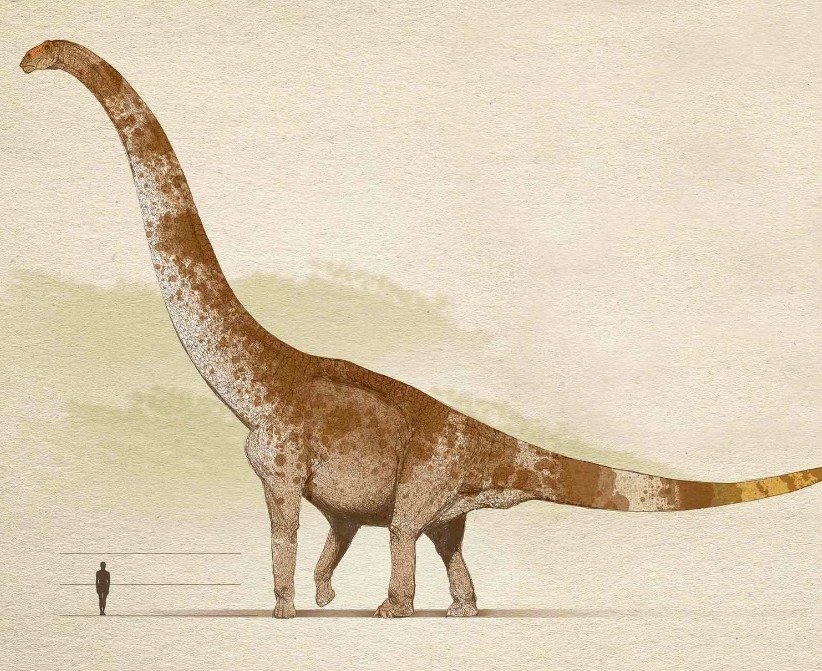
Sauropoda is a group of large, long-necked dinosaurs known for their immense size and herbivorous diet. These dinosaurs roamed the Earth during the Mesozoic Era, with the first species appearing…
The Savannah Monitor is a large species of lizard native to sub-Saharan Africa. Known for its powerful build, the Savannah Monitor is one of the most commonly kept reptiles in…
The Satanic Leaf-Tailed Gecko (Uroplatus phantasticus) is a remarkable species of gecko native to Madagascar, famous for its striking appearance and incredible camouflage abilities. These nocturnal reptiles have evolved to…
The Saw-scaled Viper is a venomous snake found in parts of Africa, the Middle East, and South Asia. Known for its distinct, rough, and saw-like scales along its body, this…
The Savannah Sparrow is a small songbird native to North America. You typically find it in grasslands, meadows, and open fields. With its distinctive markings, including a streaked brown body…
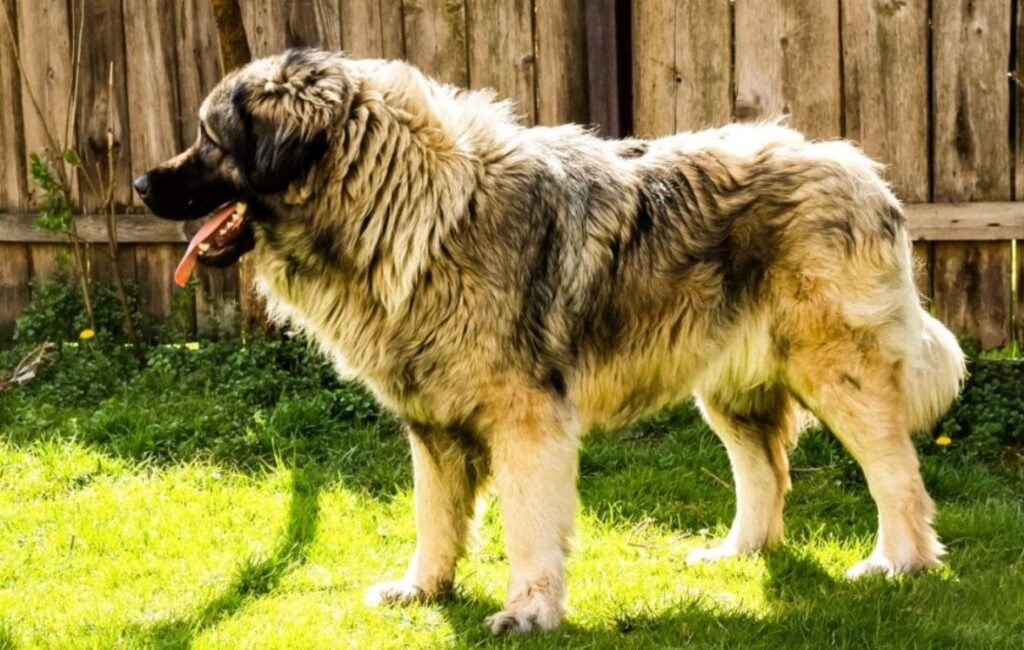
The Sarplaninac, also known as the Yugoslavian Shepherd Dog, is a large and powerful working breed native to the mountainous regions of the Balkans. This majestic dog is known for…
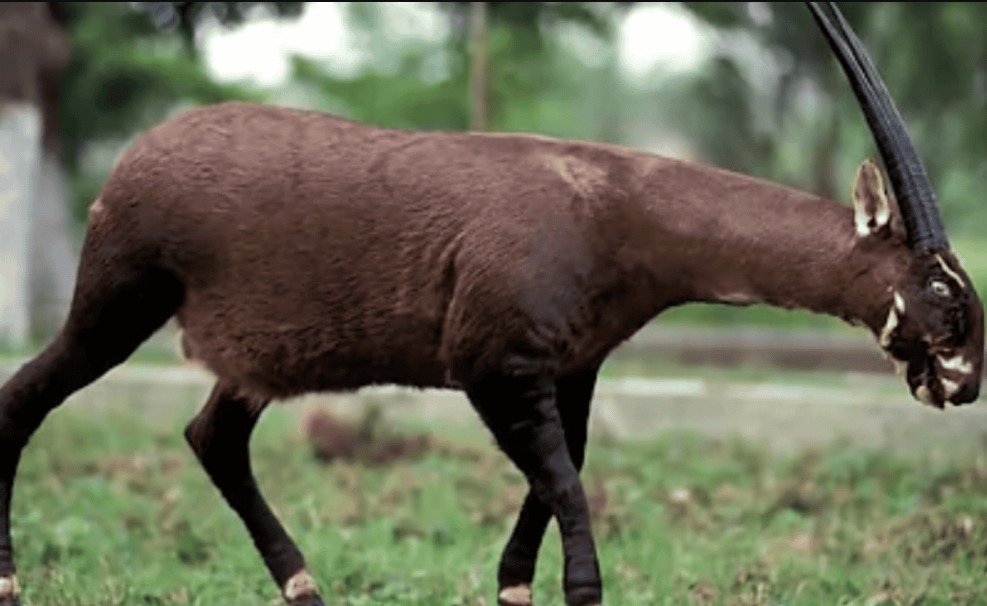
The Saola, often referred to as the "Asian Unicorn," is one of the world's rarest and most mysterious animals. This elusive mammal was first discovered in 1992 in the Annamite…
The Sapsali is a rare and ancient breed of dog that originated in Korea, known for its long, thick coat and its strong cultural significance. Historically believed to have the…
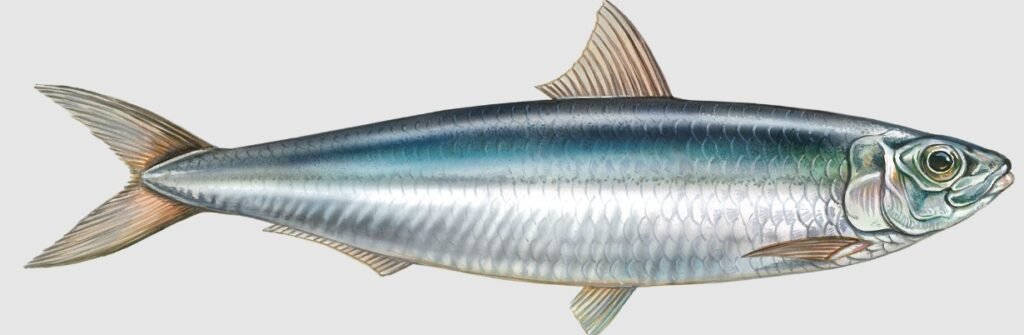
Sardines are small, oily fish that belong to the herring family, found in both the Atlantic and Pacific Oceans. Known for their high nutritional value, sardines are rich in omega-3…
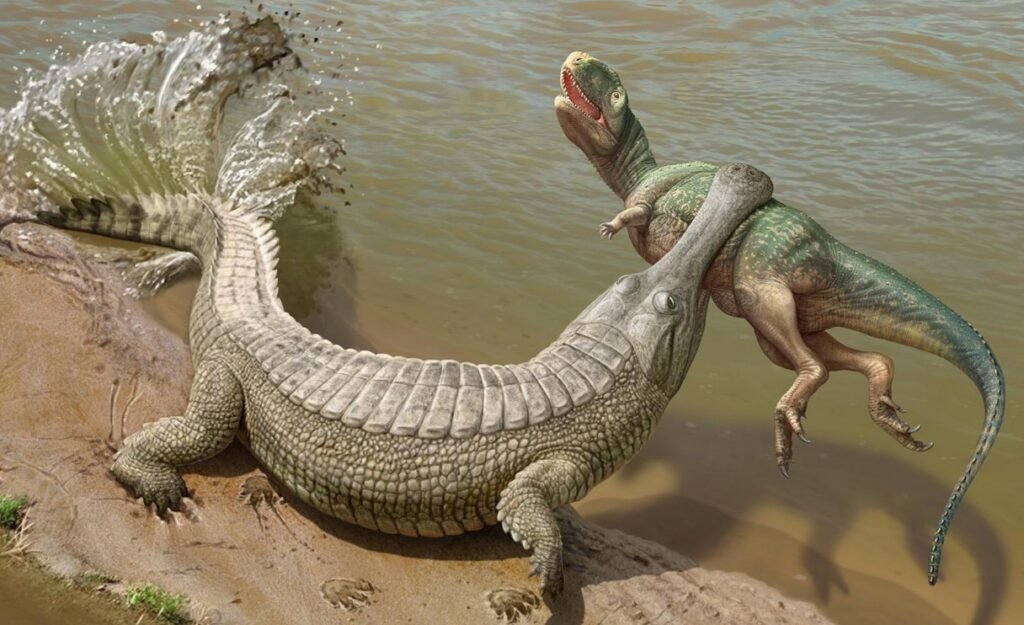
Sarcosuchus, often referred to as the "super croc," was a massive, prehistoric crocodyliform that lived during the Cretaceous period, around 112 million years ago. Known for its enormous size and…
The Sarkastodon lived during the Paleogene period, roughly 50 to 33 million years ago, and was a genus of carnivorous mammal now extinct. It belonged to the order Carnivora and…
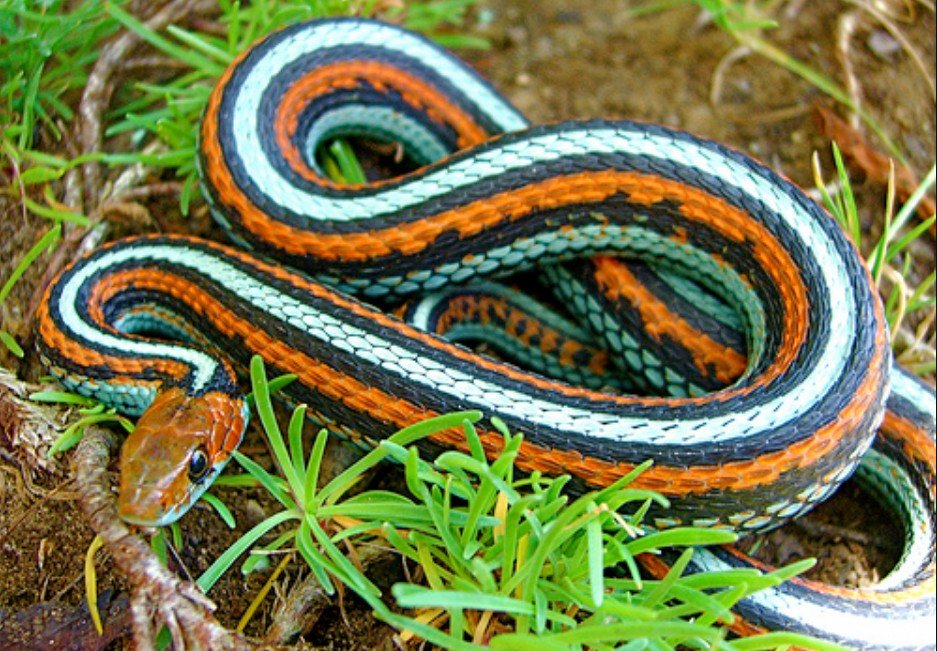
The San Francisco Garter Snake is one of the most striking and rare snakes in North America. Known for its vibrant colors and habitat specialization, it is critically endangered. Found…