Quick Top 10 Facts about Bonito Fish
| SCIENTIFIC NAME | Sarda sarda |
| CLASSIFICATION |
KINGDOM: Animalia PHYLUM: Chordata CLASS: Actinopterygii ORDER: Perciformes FAMILY: Scombridae GENUS: Sarda SPECIES: S. sarda |
| SIZE | Length: Up to 1 meter (3.3 feet), Weight: Up to 10 kg (22 lbs) |
| HABITAT | Found in temperate and tropical waters in both the Atlantic and Pacific Oceans |
| DIET | Predominantly feeds on small fish and squid |
| SPECIES | There are several species within the genus Sarda, but the Atlantic bonito (Sarda sarda) is the most well-known. |
| COUNTRY | Found in coastal waters worldwide, particularly in the Mediterranean, the Atlantic, and Pacific Oceans |
| GESTATION PERIOD | Eggs hatch in open water, and the exact period is dependent on water temperature |
| LIFE SPAN | Typically 5 to 6 years, though some can live up to 10 years |
| CONSERVATION STATUS | Considered of least concern, but populations are monitored due to fishing pressures |
Amazing Facts About Bonito Fish
1. Bonito fish are part of the mackerel family
Bonito are closely related to mackerels and share similar physical characteristics, including a streamlined body and a fast swimming ability.
2. They are known for their speed
Bonito can swim at speeds of up to 75 kilometers per hour (46 mph), making them one of the fastest fish in the ocean.
3. Bonito are often confused with tuna
Due to their similar appearance and behavior, bonito fish are often mistaken for small tuna, but they belong to a different genus.
4. They have a carnivorous diet
Bonito feed primarily on smaller fish and invertebrates such as squid, which they catch with their fast swimming ability.
5. Bonito fish are excellent bait for larger predators
Because of their size and abundance, they are frequently used as bait by commercial and recreational fishermen to catch larger fish like tuna and sharks.
6. They migrate seasonally
Bonito fish are migratory, often moving from one region to another based on water temperature and food availability.
7. Bonito are often found in schools
They swim in large schools, sometimes numbering in the thousands, which helps protect them from predators.
8. Bonito are not as popular as tuna but are still valuable
Though not as prized as tuna, they are still caught commercially for their meat, which is often used in traditional dishes, particularly in the Mediterranean.
9. They have unique markings
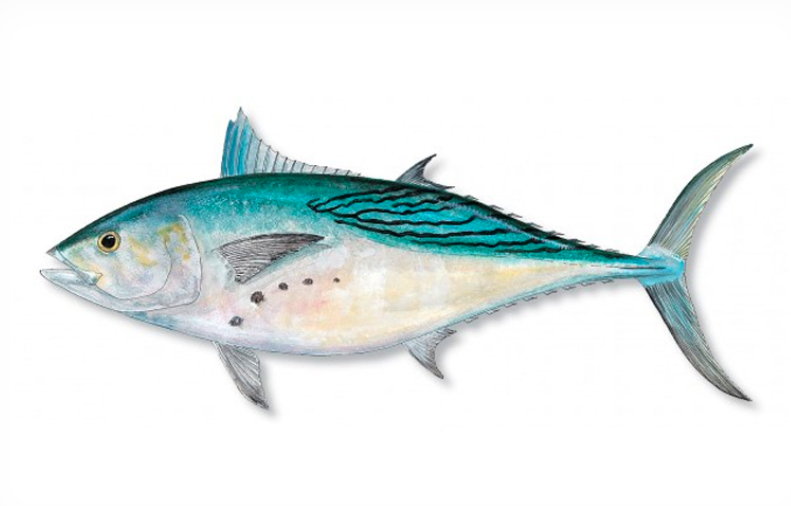
Bonito have distinctive dark, wavy horizontal stripes on their back, which help them camouflage in the water.
10. Bonito are highly sought after by anglers
Due to their speed and agility, bonito are a popular target for sport fishing, offering an exciting challenge for fishermen.
Overview of bonito fish characteristics and their features
One kind of fish that belongs to the mackerel family is the bonito fish, also known as Sarda sarda. It is widely distributed over the Atlantic, Mediterranean, and Black Seas. It is often known that bonito fish have sleek bodies that are adapted for speed and agility in the water. Their back is either dark blue or greenish-blue, their sides are silver, and their belly is white. A bonito fish may grow to be between 30 and 60 cm long and weigh between 1 and 4 kilogrammes.
Highlighting interesting and informative facts about bonito fish
Because bonito fish move over long distances, they may be found in coastal and offshore seas. They are well known for their gregarious feeding habits, mostly consuming small fish, squid, and crustaceans. It has also been observed that schools of hundreds or even thousands of bonito fish form. These schools often swim near the water’s surface, making them a popular target for both commercial and recreational fishing.
Culinary uses of bonito fish in different cuisines worldwide
When it comes to culinary value, bonito fish are widely prized for their firm and flavorful flesh. They are often used in a wide variety of foreign cuisines, including Mediterranean, Latin American, and Japanese dishes. Bonito fish may be prepared in a variety of ways, such as by grilling, baking, or smoking. Their meat is often used to make fish stock or as a component of sushi and sashimi. Due to their great popularity, bonito fish are commercially caught in numerous locations, and strict regulations controlling fishing techniques safeguard their population.
Fascinating facts about bonito fish
Popular fish species called bonito fish are prized for their mouthwatering flavour and high nutritional content. This particular kind of tuna is a member of the Scombridae family. We’ll look at some fascinating bonito fish facts below:
Body and physical appearance of bonito fish
A sleek body with a dark blue or greenish back, silver-white sides, and a belly characterises bonito fish. On their backs and flanks is a pattern of wavy lines that are referred to as “stripes.” They have a distinctive and different look because of these stripes.
Average size range of Bonito fish
Bonito fish may reach lengths of up to three feet and weights of up to thirty pounds. Nonetheless, bonito fish often have smaller average sizes, measuring between one and two feet in length.
Natural habitat and distribution of bonito fish
Around the globe, bonito fish inhabit warm, temperate seas. The Atlantic, Mediterranean, and Pacific oceans are where they are often found. They are often seen close to the surface and like to live in offshore areas.
Feeding habits of Bonito fish, including their diet preferences and hunting techniques
As carnivores, bonito fish consume a wide range of food, such as crabs, squid, and tiny fish. They are renowned for having excellent hunting abilities and for their ability to swim quickly to reach their target.
Migratory patterns of bonito fish
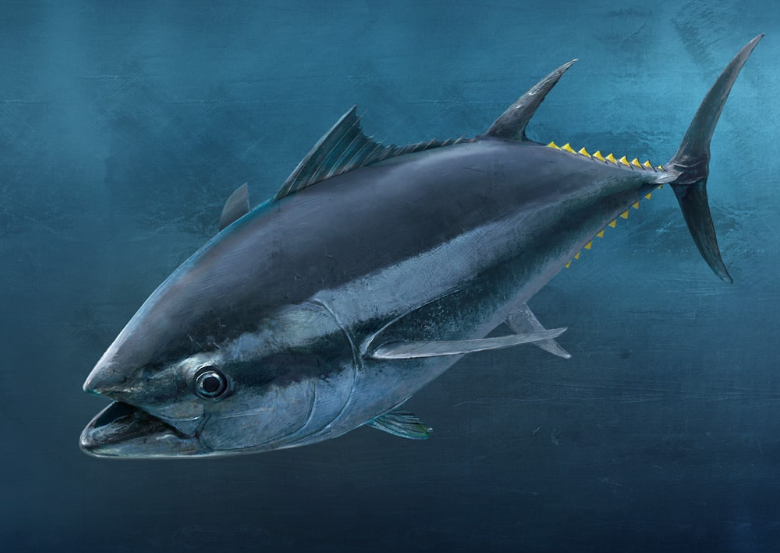
Because they migrate over great distances in search of food and adequate breeding habitats, bonito fish are extremely migratory. They are targeted for commercial fishing because they often form huge schools and travel in groups.
Bonito fish importance in commercial fishing industries
In several nations, bonito fish are very important commercially. Their flesh, which is firm, delicious, and abundant in omega-3 fatty acids, makes them very valuable. Bonito fish are often used in a variety of culinary preparations, including grilled meals, sushi, and sashimi.
Health benefits associated with consuming bonito fish
Eating bonito fish has a number of health advantages. It is an excellent source of minerals, vitamins, and protein. Bonito fish contains omega-3 fatty acids, which are proven to strengthen brain function, lower inflammation, and improve heart health.
Fishing methods used to catch bonito fish include traditional and modern techniques.
There are many ways to catch bonito fish, such as trolling, casting, and jigging. Their recognition for their formidable combat skills makes them a favourite target for fishermen. Bonito fish are amazing animals with a distinctive look and remarkable skills. They have significant nutritional advantages in addition to being tasty. An important and fascinating species, bonito fish are enjoyed both as a meal and as a leisure catch.
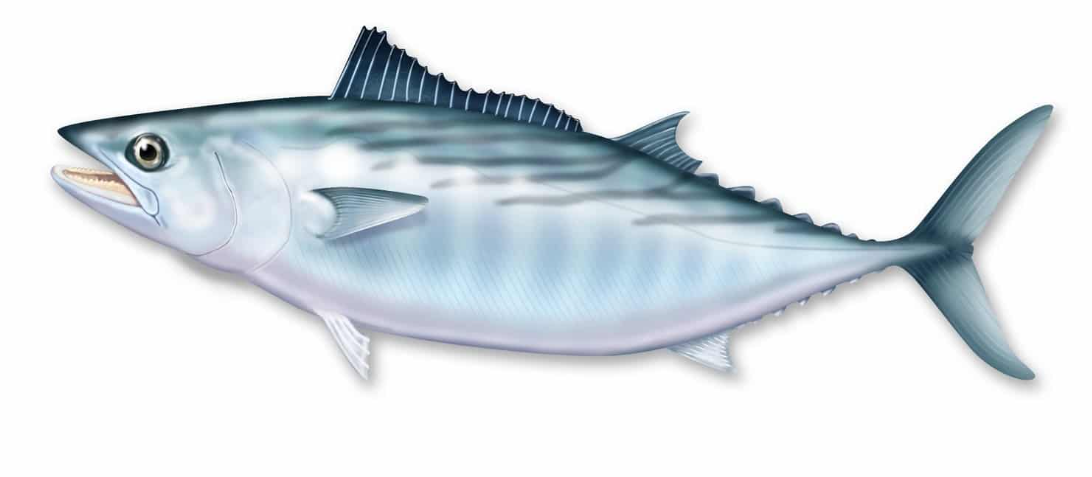
Conservation efforts are aimed at protecting bonito fish and their habitats
Depending on the species and region, bonito fish have different conservation statuses. A few bonito fish species are deemed endangered because of habitat degradation and overfishing. To preserve the bonito fish population, sustainable fishing methods must be used.
FAQ (Frequently Asked Questions) about Bonito Fish
Q: What is a Bonito Fish?
Ans: Bonito fish (genus Sarda) are fast-swimming, predatory fish found in both temperate and tropical waters. They are related to the mackerel and tuna and are known for their sleek, torpedo-shaped bodies and strong, swift swimming abilities. Bonitos are highly prized by sport fishermen due to their powerful fight when hooked.
Q: Where do Bonito Fish live?
Ans: Bonito fish are found in warm, temperate oceans around the world. They typically inhabit the coastal waters of the Atlantic, Pacific, and Indian Oceans. Bonitos are migratory and often travel in large schools, preferring clear, open waters but also venturing into shallow areas during feeding.
Q: What do Bonito Fish eat?
Ans: Bonito fish are carnivorous and primarily feed on small fish, crustaceans, and squid. They are opportunistic predators and often hunt in schools, using their speed and agility to catch prey. Bonitos are known for their voracious appetite and will often consume large quantities of food.
Q: How big do Bonito Fish grow?
Ans: Bonito fish typically grow to lengths of 12 to 30 inches (30 to 76 cm), though larger individuals can reach up to 40 inches (102 cm) in some species. They are relatively small compared to other tuna relatives but are known for their impressive speed and strength.
Q: Are Bonito Fish good for eating?
Ans: Yes, Bonito fish are edible and are often used in various cuisines around the world. Their meat is flavorful and firm, making them suitable for grilling, smoking, or using in fish stews and soups. In Japan, Bonito is often smoked and dried to make “katsuobushi,” a key ingredient in Japanese cooking.
Q: Are Bonito Fish good for sport fishing?
Ans: Absolutely! Bonito fish are a popular target for sport fishermen due to their speed, strength, and tenacity. Known for their exciting fight when hooked, they provide a thrilling challenge for anglers. Many fishermen enjoy catching Bonitos for both sport and consumption.
Q: How fast can Bonito Fish swim?
Ans: Bonito fish are incredibly fast swimmers, capable of reaching speeds of up to 40 miles per hour (64 km/h). Their streamlined body and muscular build enable them to chase down prey with incredible efficiency, making them one of the fastest fish in their family.
Q: Do Bonito Fish have predators?
Ans: Yes, despite their speed and agility, Bonito fish have natural predators. Larger fish such as sharks, dolphins, and other predatory species may hunt and eat Bonito fish. However, due to their swift swimming ability, Bonitos are usually able to evade most predators.
Q: Are Bonito Fish endangered?
Ans: Bonito fish are not considered endangered. However, overfishing in some regions can affect their populations. Sustainable fishing practices and proper management of fishing quotas are important to ensure the health of Bonito populations for future generations.
Q: How do Bonito Fish reproduce?
Ans: Bonito fish are pelagic spawners, meaning they lay their eggs in open water. They typically spawn in warm, tropical waters, and the eggs hatch into larvae that drift with the ocean currents. Bonitos reach sexual maturity at around 2 to 3 years of age, depending on the species and environmental factors.
#BonitoFish, #SportFishing, #Fishing, #TropicalFish, #PredatoryFish, #FastSwimming, #Bonito, #FishingCommunity, #OceanLife, #FishConservation, #FishingForFun, #Seafood, #BonitoCatch
Our sources and references about Bonito Fish
1: Wikipedia – Bonito
2: NOAA – Bonito Fish
3: Britannica – Bonito Fish
4: Florida Museum – Bonito