Quick Top 10 Facts about Brook Trout
| SCIENTIFIC NAME | Salvelinus fontinalis |
| CLASSIFICATION | KINGDOM: Animalia PHYLUM: Chordata CLASS: Actinopterygii ORDER: Salmoniformes FAMILY: Salmonidae GENUS: Salvelinus SPECIES: S. fontinalis |
| SIZE | Length: 10–26 inches (25–66 cm); Weight: 1–6 pounds (0.45–2.7 kg) |
| HABITAT | Cold, clear, freshwater streams, rivers, lakes, and ponds—mainly in eastern North America |
| DIET | Carnivorous; feeds on insects, larvae, small crustaceans, and smaller fish |
| SPECIES | Brook Trout, a freshwater fish and member of the salmon family |
| COUNTRY | Native to the United States and Canada, especially the eastern regions |
| GESTATION PERIOD | Egg incubation lasts 2–5 months depending on water temperature |
| LIFE SPAN | 3–6 years in the wild, though some may live longer in ideal conditions |
| CONSERVATION STATUS | Least Concern; though populations are declining in some areas due to pollution and habitat loss |
Amazing Facts About Brook Trout
1. Brook Trout are actually char
Despite their common name, Brook Trout are part of the char subgroup of the salmon family.
2. They thrive in clean, cold water
Brook Trout are sensitive to water temperature and quality, making them an indicator species for healthy freshwater ecosystems.
3. They are beautifully colored
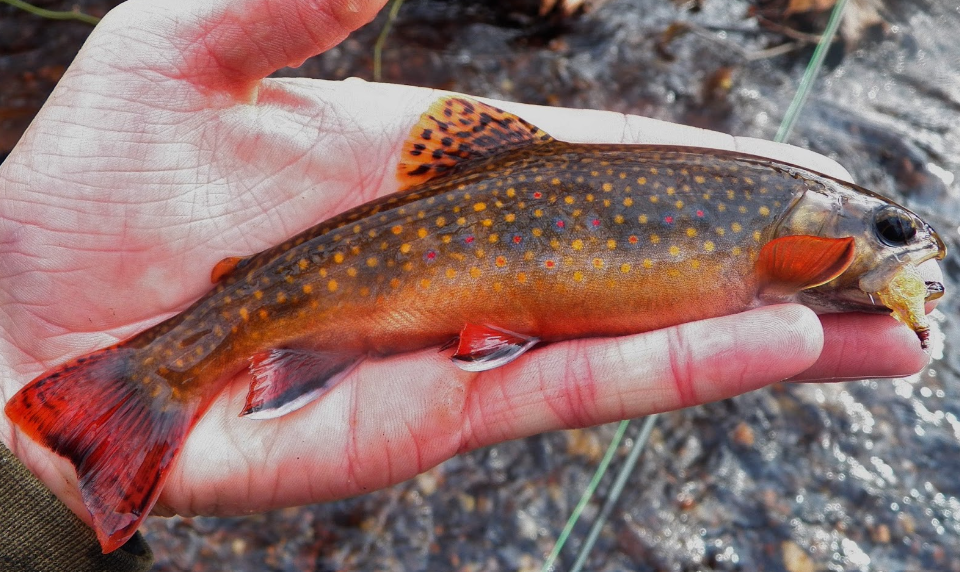
Brook Trout are known for their vibrant colors—dark green backs, marbled patterns, red spots with blue halos, and orange bellies.
4. They spawn in the fall
Unlike many fish that spawn in spring, Brook Trout spawn during the fall months in gravel-bottomed streams.
5. Brook Trout are native to North America
They are one of the only trout species native to eastern North America.
6. They are popular among anglers
Brook Trout are highly sought after by fly fishers due to their beauty and fighting spirit.
7. They help control insect populations
As insectivores, Brook Trout play a role in keeping aquatic insect populations in check.
8. They can be affected by introduced species
Non-native fish like Brown Trout and Rainbow Trout can outcompete or hybridize with Brook Trout.
9. Brook Trout can live in both streams and lakes
They are adaptable to both flowing water and still water habitats, although they prefer cooler temperatures.
10. They’re part of traditional cuisine
Brook Trout are a delicacy in many North American regions and are featured in regional dishes, especially in the Appalachians.
Brief description of Brook Trout (Salvelinus fontinalis)
Salvelinus fontinalis is the scientific name for brook trout, a kind of freshwater fish related to salmon. They are most prevalent in the cold, clear streams and lakes of the Appalachian Mountains, where they are native to eastern North America. For many years, anglers and nature lovers have been enthralled by the intriguing species of brook trout. They are a particularly unusual species due to their spectacular appearance, complex life cycle, and diversified habitat.
Description of appearance, including coloration and markings
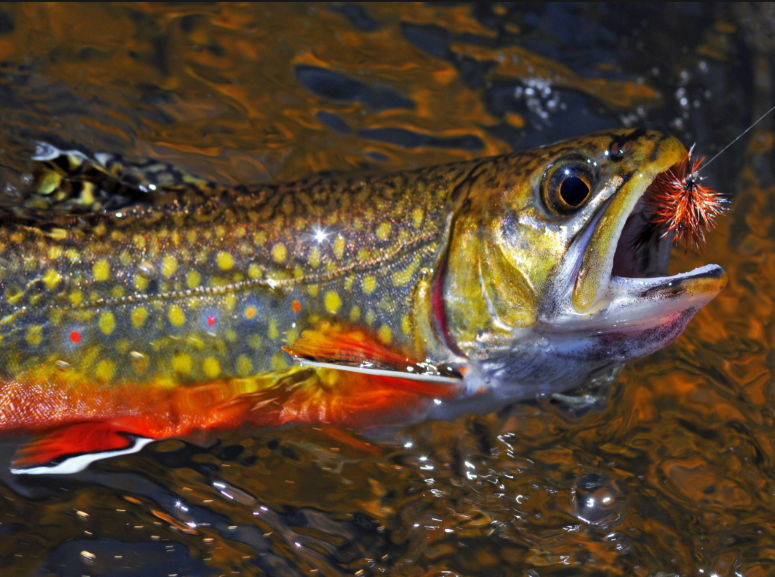
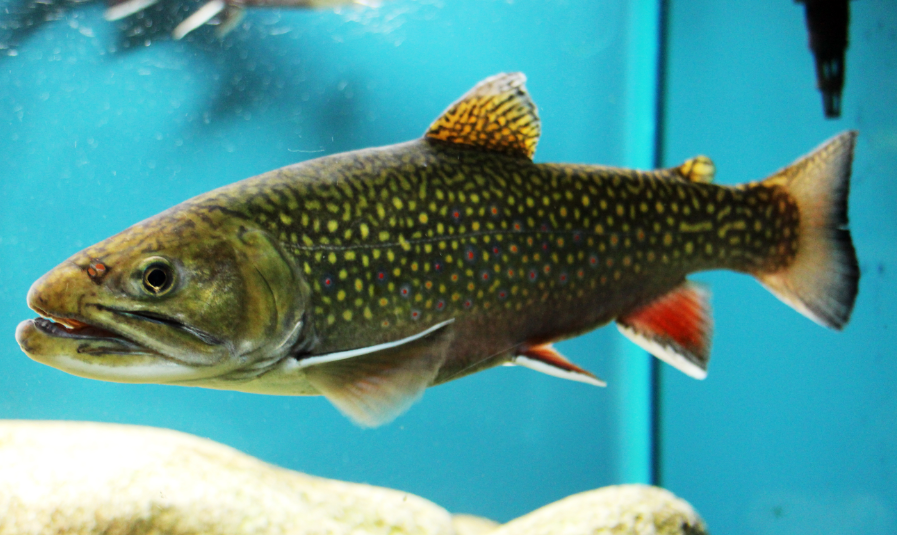
These fish are renowned for their striking colours and distinctive patterns. Adult brook trout often have dark greenish-brown backs speckled with red, orange, and yellow spots. Their bellies are usually pale, and their fins often have a white border. Because of their striking colours, they can blend in with their surroundings and protect themselves from predators.
Preferred habitat of Brook Trout, including cold, clean streams and lakes
Owing to their extraordinary versatility, brook trout may thrive in a variety of aquatic settings, such as lakes, large rivers, and small streams. They often inhabit areas with rocky bottoms and plenty of cover, such as overhanging trees or fallen logs. They like cold, oxygen-rich water. These fish are opportunistic feeders with a diverse diet, consuming a range of aquatic insects, small fish, crustaceans, and even terrestrial insects that accidentally fall into the water. Their ability to adapt to a variety of environments and food sources has contributed to their survival as a species.
Fascinating facts about brook trout fish
The freshwater fish species known as brook trout, or Salvelinus fontinalis, are members of the salmon family. Anglers adore them for their beauty and demanding character; they are endemic to eastern North America. We’ll look at some fascinating brook trout fish facts in this post.
Size range and average weight of Brook Trout
The vivid colours and unique patterns of brook trout are well known. Their body is a mottled pattern of red, orange, and yellow patches on a dark green to brownish background. Their tails are square or slightly forked, and their lower fins have white leading edges. The way those brook trout seem is quite alluring.
The types of water bodies that brook trout fish prefer
The best places to find brook trout are cold, clear, and well-oxygenated rivers, lakes, and streams. They are often found in regions with plenty of cover, such as fallen trees, boulders, and foliage, and they prefer water temperatures below 68°F (20°C). Due to their remarkable degree of adaptability, these fish can live in a variety of settings, including big lakes and tiny mountain streams.
Types of food brook trout consume
Brook trout have a varied diet and are opportunistic eaters. When they are young, their main sources of food are tiny fish, crabs, and insects. Their food diversifies as they become bigger, including amphibians, small animals, and even larger fish. Because of their aggressive eating habits, brook trout often attack anything that looks like food.
Life Cycle of Brook Trout fish
The brook trout’s life cycle starts when the female deposits her eggs in a nest made of gravel known as a redd. After fertilisation by the male, the eggs are allowed to develop naturally. In around four to six weeks, the eggs hatch and the fry—young fish—come to life. During the first several months of their lives, they eat tiny water insects and progressively become bigger.
Reproduction and spawning habits
Brook trout mature sexually between the ages of two and three. After that, they go to spawning areas, where they deposit eggs and form redds, completing the cycle once more. Brook trout have a life expectancy of four to six years on average; however, some might reach ten years or more.
Threats to Brook Trout populations, such as habitat loss, human activities and pollution
The loss of habitat, pollution, and overfishing have all contributed to the sharp decrease in brook trout numbers. They are now regarded as a species of particular concern in several places as a consequence. In order to guarantee sustainable populations, fishing laws are being implemented, and obstacles to fish movement are being removed as part of the efforts to restore and conserve their ecosystems.
Conservation efforts to protect and restore Brook Trout habitats
To guarantee that future generations may continue to appreciate the beauty of brook trout in their natural environments, it is crucial that we take action to preserve and manage their numbers.
FAQ (Frequently Asked Questions) about Brook Trout
Q: What is a Brook Trout?
Ans: The Brook Trout (Salvelinus fontinalis) is a species of freshwater fish native to Eastern North America. It is a member of the salmon family and is known for its beautiful coloration, making it a favorite among anglers and nature enthusiasts. Despite its name, it is technically a char, not a true trout.
Q: What does a Brook Trout look like?
Ans: Brook Trout are strikingly colored, featuring a dark green to brown body with a distinctive marbled pattern on the back and dorsal fin. They have red spots surrounded by blue halos along their sides and a white edge on their lower fins. Their vivid appearance becomes even more vibrant during spawning season.
Q: Where do Brook Trout live?
Ans: Brook Trout are typically found in cool, clear, well-oxygenated streams, rivers, and lakes. They are native to the eastern United States and Canada but have been introduced to other regions. They prefer waters with gravel bottoms and abundant cover, such as submerged logs and overhanging vegetation.
Q: What does the Brook Trout eat?
Ans: Brook Trout are carnivorous and feed on a variety of aquatic and terrestrial insects, crustaceans, and small fish. Their diet may include flies, beetles, worms, and small amphibians, depending on their habitat and availability of food sources.
Q: Are Brook Trout good for fishing?
Ans: Yes, Brook Trout are highly prized by anglers for their fighting spirit and beauty. They are often targeted in fly fishing and are known to inhabit scenic and remote locations. Many regions have specific regulations to protect native populations and ensure sustainable fishing.
Q: How big do Brook Trout get?
Ans: Brook Trout size can vary depending on habitat. In small streams, they typically grow to 6–10 inches (15–25 cm). In larger rivers and lakes, especially where food is abundant, they can reach lengths of 14–24 inches (35–60 cm) and weigh several pounds.
Q: How do Brook Trout reproduce?
Ans: Brook Trout spawn in the fall, typically between September and November. Females create nests called redds in gravel beds, where they lay their eggs. Males fertilize the eggs, and both parents guard the nest briefly before leaving. The eggs hatch in early spring.
Q: Are Brook Trout endangered?
Ans: While not globally endangered, Brook Trout populations have declined in many areas due to habitat degradation, pollution, warming water temperatures, and competition with non-native species like Brown Trout. Conservation efforts are underway to restore their habitats and maintain healthy populations.
Q: Can you eat Brook Trout?
Ans: Yes, Brook Trout are considered excellent for eating due to their mild, delicate flavor. They are often cooked whole or filleted and can be grilled, pan-fried, or baked. However, anglers should always follow local regulations and guidelines regarding consumption and catch limits.
Q: What is the lifespan of a Brook Trout?
Ans: Brook Trout generally live up to 3 to 5 years in the wild, though some individuals in ideal conditions can live longer. Factors such as water quality, predation, food availability, and fishing pressure all influence their lifespan.
#BrookTrout, #FreshwaterFish, #FlyFishing, #NativeSpecies, #Conservation, #TroutFishing, #ColdWaterFish, #Wildlife, #Angling, #FishFacts, #SalmonFamily, #NatureLovers, #OutdoorAdventures
Our sources and references about Brook Trout
1: Wikipedia – Brook Trout
2: U.S. Fish & Wildlife Service – Brook Trout
3: Trout Unlimited – Brook Trout
4: National Park Service – Brook Trout