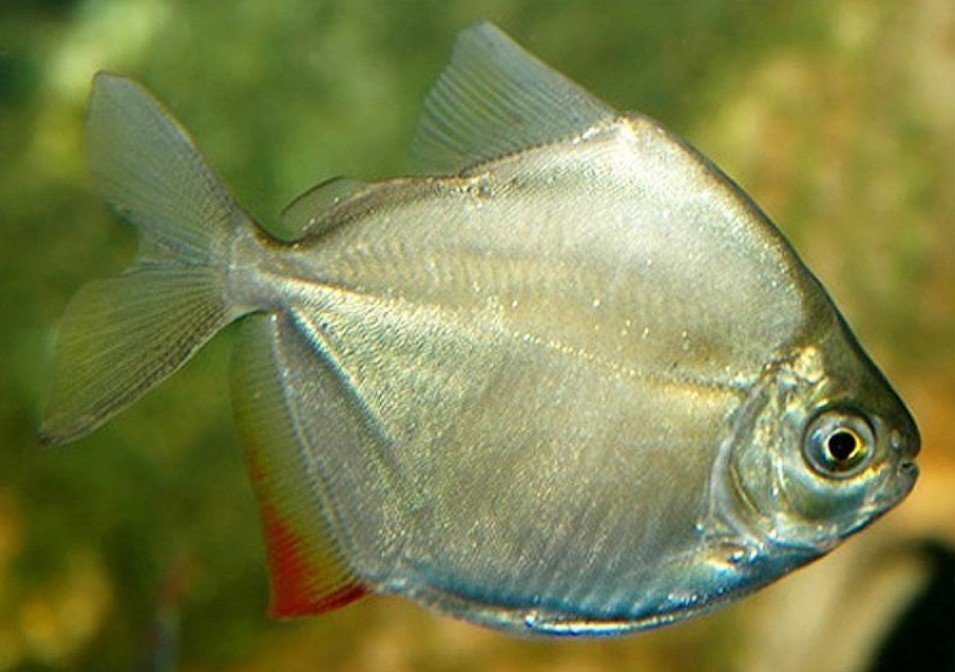
The Silver Dollar is a species of freshwater fish known for its distinct circular shape and shiny, silver-colored scales. Native to South America, these fish are often found in slow-moving rivers, streams, and ponds. Silver Dollars are highly prized in aquariums due to their peaceful nature, attractive appearance, and ability to thrive in groups. They are herbivorous and prefer a diet that consists mostly of plants, although they may occasionally nibble on small insects. These fish can grow to be quite large, making them a fascinating addition to any home aquarium.
Quick Top 10 Facts about Silver Dollar
| SCIENTIFIC NAME | Metynnis argenteus |
| CLASSIFICATION | KINGDOM: Animalia PHYLUM: Chordata CLASS: Actinopterygii ORDER: Characiformes FAMILY: Characidae |
| SIZE | Length: 6–8 inches (15–20 cm) in captivity, but can grow up to 10 inches (25 cm) in the wild. |
| SPECIES | Silver Dollar fish are part of the Characidae family and are native to South American waters. There are several species of Silver Dollar fish, but the most common one in aquariums is Metynnis argenteus. |
| APPEARANCE | Silver Dollars have a round, disc-like body with shimmering silver scales. They possess a large, oval-shaped dorsal fin and a small anal fin, giving them a streamlined appearance that makes them great swimmers. |
| LIFE SPAN | Typically 10 to 15 years in captivity, depending on the conditions of their environment. |
| HABITAT | Silver Dollar fish are native to slow-moving rivers and streams in South America, particularly in the Amazon basin. In captivity, they thrive in freshwater aquariums with ample swimming space. |
| DIET | Primarily herbivorous, Silver Dollars enjoy a diet rich in plant-based foods such as algae, vegetables, and aquatic plants. They may occasionally consume small insects or crustaceans in the wild. |
| NATURAL PREDATORS | In the wild, Silver Dollar fish are preyed upon by larger fish, such as piranhas and certain predatory species. In captivity, they are generally safe from natural predators. |
| COUNTRY | Silver Dollar fish are native to South America, particularly the Amazon River Basin and surrounding areas. |
| GESTATION PERIOD | Silver Dollar fish lay eggs during their breeding season. They do not have a traditional gestation period, as they reproduce by external fertilization. |
| CONSERVATION STATUS | Currently, Silver Dollar fish are not considered endangered. However, habitat destruction and pollution in South American rivers could threaten their populations over time. |
Amazing Facts About Silver Dollar
1. Distinctive Disc Shape
The Silver Dollar’s body is circular and disk-shaped, giving it a unique appearance compared to other freshwater fish. This shape allows them to swim efficiently and with agility.
2. Peaceful and Social
Silver Dollar fish are known for their peaceful temperament. They enjoy being in groups and should ideally be kept in schools of at least 5–6 individuals to thrive.
3. Great for Aquariums
Due to their peaceful nature and attractive appearance, Silver Dollar fish are highly popular in aquariums. They are ideal for community tanks and get along well with most other peaceful species.
4. Herbivores with a Love for Plants
Silver Dollar fish primarily feed on plant material, such as algae and aquatic plants. They may occasionally munch on small insects or worms, but they prefer a vegetarian diet.
5. They Can Grow Quite Large
While Silver Dollar fish usually reach 6 to 8 inches in length in captivity, they can grow up to 10 inches in length in the wild. It’s important to provide ample space for them to swim and grow.
6. Excellent Swimmers
Silver Dollar fish are excellent swimmers, using their streamlined bodies to move efficiently through the water. They are active and enjoy swimming in open areas of the aquarium.
7. Long Lifespan
With proper care, Silver Dollar fish can live for 10 to 15 years in captivity, making them a long-term commitment for aquarium owners.
8. Sensitive to Water Conditions
Silver Dollar fish are sensitive to water quality, and it is essential to maintain a clean, stable, and well-filtered environment for them to thrive.
9. Shiny Silver Appearance
One of the most striking features of Silver Dollar fish is their shimmering silver scales, which give them a bright and eye-catching appearance.
10. They Are Great Community Fish
Silver Dollar fish are perfect for community tanks, as they are non-aggressive and peaceful. They coexist well with other non-aggressive fish species in a well-maintained aquarium.
Popular Freshwater Aquarium Fish
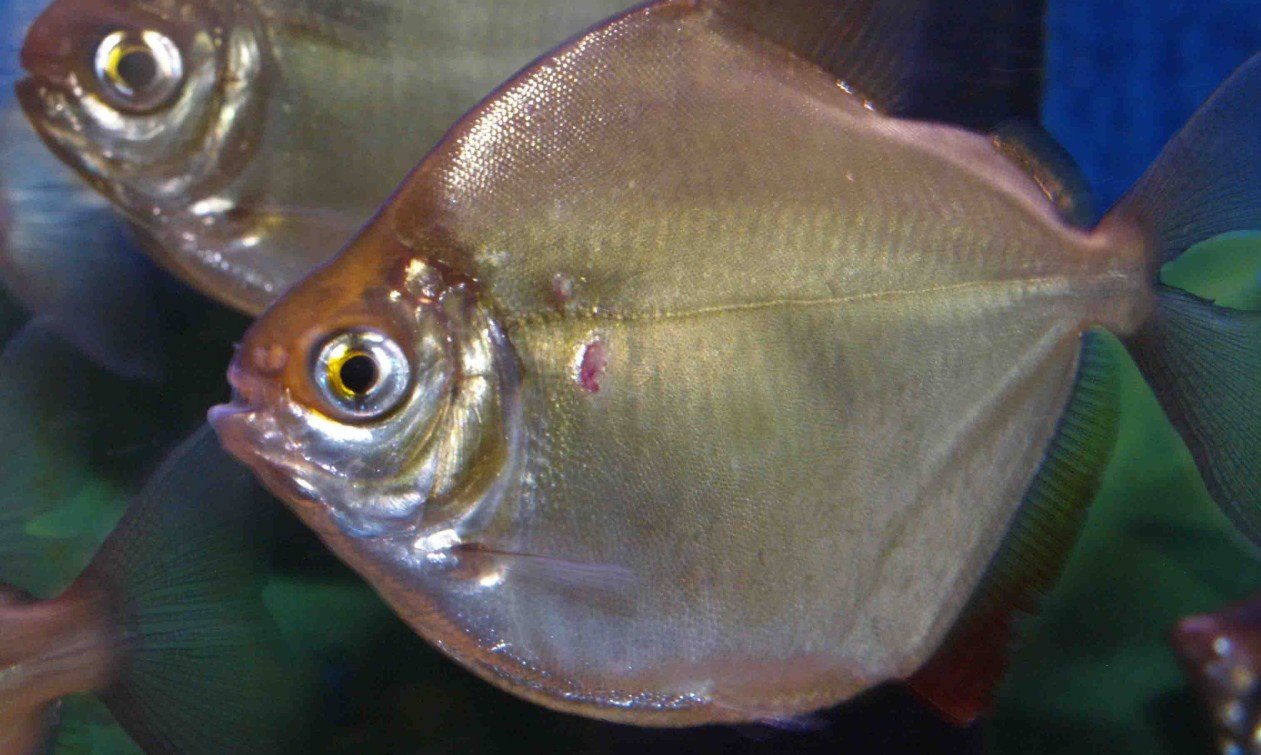
The silver dollar fish (Metynnis spp.) remains a popular and attractive species within the aquarium hobby. Aquarists value this freshwater fish for its calm temperament and distinctive appearance. Native to South American waters, these fish display graceful swimming patterns and rounded, silver-coloured bodies. Their schooling nature allows them to thrive in groups and add visual appeal to community aquariums.
Silver Dollar Fish Species Classification
Scientific Classification and Silver Dollar Fish Family
The name “Silver Dollar” mainly describes fish within the Metynnis genus, although some species belong to related genera such as Myleus. All silver dollar species belong to the Characidae family, which also includes tetras and piranhas. These fish receive their name from their round, disc-shaped bodies and bright silvery sheen, which enhances their visual appeal.
Natural Habitat of Silver Dollar Fish in the Wild
Silver dollar fish inhabit slow-moving rivers and streams throughout South America, especially within the Amazon Basin regions of Brazil, Peru, and Colombia. In the wild, they form large schools and prefer open water, submerged vegetation, and natural structures that offer shelter from predators.
Physical Characteristics of Silver Dollar Fish
Why Silver Dollar Fish Are Visually Appealing Aquarium Fish
Silver dollar fish attract aquarium enthusiasts due to their distinctive shape and reflective appearance. Their striking features make them stand out in freshwater aquariums and contribute to their popularity.
- Size of Silver Dollar Fish: Silver dollar fish size varies by species. Common Metynnis and Myleus species usually reach 6 to 8 inches (15 to 20 cm). In spacious aquariums, some individuals may grow up to 12 inches (30 cm).
- Body Shape and Swimming Ability: These fish possess a round, disc-shaped body that allows smooth and effortless movement. Their flattened shape enables swift swimming and helps them avoid predators in the wild.
- Colouration and Metallic Appearance: Silver dollar fish display a bright silver or greyish-silver colour with a metallic shine. Under certain lighting conditions, their bodies may appear golden or greenish.
- Fin Structure and Placement: Well-developed pectoral, dorsal, and caudal fins contribute to the fish’s elegant appearance. The dorsal fin sits towards the rear, while the tail fin extends from the rounded body.
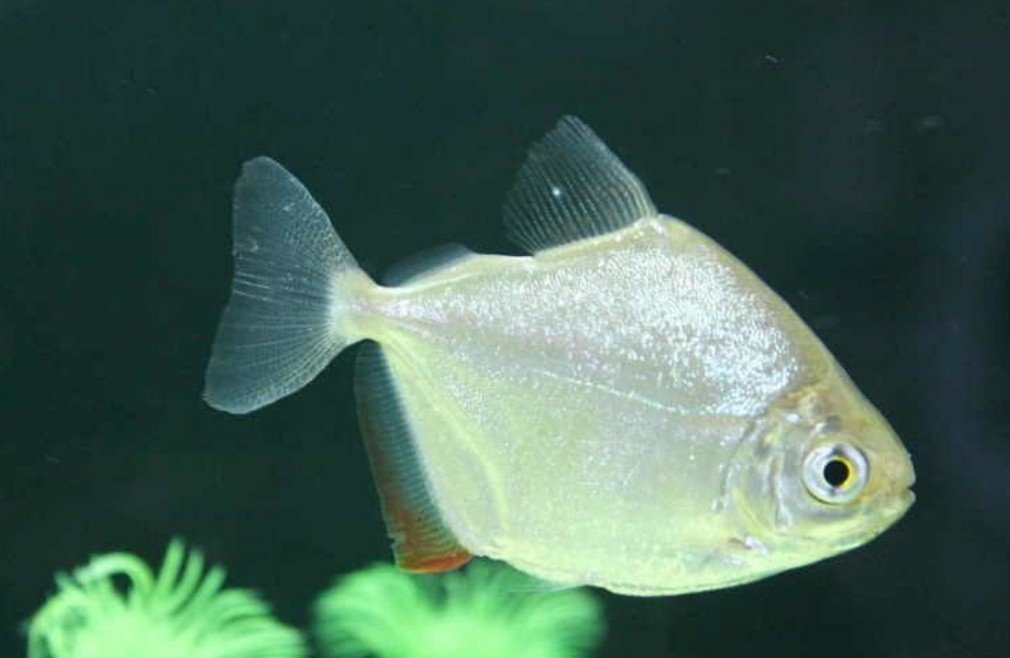
Eye Size and Visual Features of Silver Dollar Fish
Large, dark eyes remain a defining feature of silver dollar fish. These eyes contrast sharply with their reflective bodies and enhance their distinctive appearance.
Popular Silver Dollar Fish Species
Common Silver Dollar Fish Varieties for Aquariums
Several silver dollar fish varieties exist, each displaying slight differences in appearance and care needs. Some of the most commonly kept species include:
- Metynnis argenteus (Common Silver Dollar Fish): Metynnis argenteus remains the most popular silver dollar species in aquariums. It features a calm temperament, silver body, and dark eyes. Aquarists often call it the Common Silver Dollar.
- Myleus schomburgkii (Red Hook Silver Dollar): Known for its vibrant appearance, this species shows red colouring near the fins, especially in males. It grows larger than most silver dollars, reaching up to 12 inches (30 cm).
- Myleus setiger (Black Diamond Silver Dollar): This species features darker body tones and black markings. Although less common in aquariums, enthusiasts appreciate its unique appearance.
- Metynnis hypsauchen (Black Silver Dollar): This variety develops a deeper, almost black colour as it matures. Its hardy nature allows it to thrive in larger aquariums with stable water conditions.
Silver Dollar Fish Behaviour and Tank Setup
Schooling Behaviour and Social Needs of Silver Dollar Fish
Silver dollar fish display calm and social behaviour. They feel most secure when kept in groups of five or more. Schooling reduces stress, supports natural instincts, and limits territorial behaviour.
Natural Schooling Instincts of Silver Dollar Fish
Schooling Behaviour: In the wild, silver dollar fish swim together in large groups to avoid predators. Keeping multiple individuals in captivity recreates this natural behaviour and promotes comfort.
Temperament and Compatible Tank Mates
Calm demeanour: Silver dollar fish usually coexist peacefully with non-aggressive species. However, their slow movements make them unsuitable tank mates for fin-nipping or aggressive fish such as bettas.
Ideal Aquarium Size and Tank Setup for Silver Dollar Fish
Aquarium Requirements: Silver dollar fish require spacious tanks due to their size and active swimming. A minimum tank size of 55 gallons (208 litres) suits a small group. A secure lid prevents jumping.
Water Parameters for Silver Dollar Fish Care
Water Conditions: Silver dollar fish prefer clean, slightly acidic water with temperatures between 75°F and 82°F (24°C to 28°C). A pH range of 6.5 to 7.5 works best. Regular water changes remain essential.
Aquascaping for Silver Dollar Fish Tanks
Aquascaping: An open aquarium layout supports schooling behaviour. Hardy plants like java fern or anubias offer cover despite occasional grazing. Smooth rocks and driftwood provide additional shelter.
Silver Dollar Fish Diet and Feeding Guide
Omnivorous Diet of Silver Dollar Fish
Silver dollar fish follow an omnivorous diet and accept a wide variety of foods. A balanced feeding routine supports long-term health and vitality.
- Main Diet for Silver Dollar Fish: High-quality pellets or flakes should form the dietary base. Vegetable matter such as zucchini, cucumber, spinach, and algae wafers supports digestion.
- Protein-Rich Foods: These fish benefit from protein-rich foods including bloodworms, brine prawns, and daphnia. Such foods promote energy and healthy growth.
- Feeding Frequency: Feed adults once or twice daily in small portions. Avoid overfeeding to maintain water quality and prevent health issues.
Silver Dollar Fish Health and Lifespan
Common Health Issues in Silver Dollar Fish
Silver dollar fish remain hardy but can develop health issues without proper care. Stable water conditions and a nutritious diet support overall wellbeing.
Typical Diseases and Prevention Methods
Typical Illnesses: Silver dollar fish may experience fin rot, dropsy, or Ich. Consistent maintenance, quality nutrition, and early observation help prevent these conditions.
Silver Dollar Fish Lifespan in Captivity
Life Span: With proper care, silver dollar fish can live between ten and fifteen years in captivity. A suitable environment allows them to reach their full lifespan.
FAQ (Frequently Asked Questions) about Silver Dollar
Q: What is a Silver Dollar fish?
Ans: The Silver Dollar is a species of freshwater fish known for its circular, disc-shaped body and shiny silver scales. It is popular in aquariums due to its peaceful nature and attractive appearance.
Q: How big do Silver Dollar fish get?
Ans: Silver Dollar fish typically grow to be 6 to 8 inches in length in captivity but can reach up to 10 inches in the wild.
Q: What do Silver Dollar fish eat?
Ans: Silver Dollar fish are primarily herbivorous, feeding on plants, algae, and aquatic vegetation. They may also eat small insects or worms in the wild.
Q: Are Silver Dollar fish good for community tanks?
Ans: Yes, Silver Dollar fish are peaceful and social, making them ideal for community tanks with other non-aggressive fish species.
Q: How long do Silver Dollar fish live?
Ans: Silver Dollar fish typically live for 10 to 15 years in captivity, depending on water quality and overall care.
Q: Do Silver Dollar fish need a large aquarium?
Ans: Yes, Silver Dollar fish need a spacious aquarium with plenty of swimming room. They thrive in tanks that are at least 75 gallons in size.
Q: Where are Silver Dollar fish found?
Ans: Silver Dollar fish are native to slow-moving rivers and streams in South America, particularly the Amazon River Basin.
Q: Are Silver Dollar fish endangered?
Ans: Currently, Silver Dollar fish are not endangered. However, their habitat could be threatened by pollution and habitat destruction in their native range.
Q: How should I care for a Silver Dollar fish in my aquarium?
Ans: Silver Dollar fish require a clean, well-filtered tank with stable water conditions. They should be kept in groups of at least 5–6 and require a diet rich in plant material.
#SilverDollarFish #FreshwaterFish #AquariumFish #HerbivorousFish #PeacefulFish #SilverDollar #CommunityFish #FishLovers #AquariumCare
Our sources and references about Silver Dollar
1: Aquarium Coop – Silver Dollar Fish
2: Fishkeeping World – Silver Dollar Fish
3: The Spruce Pets – Silver Dollar Fish
4: PetMD – Silver Dollar Fish