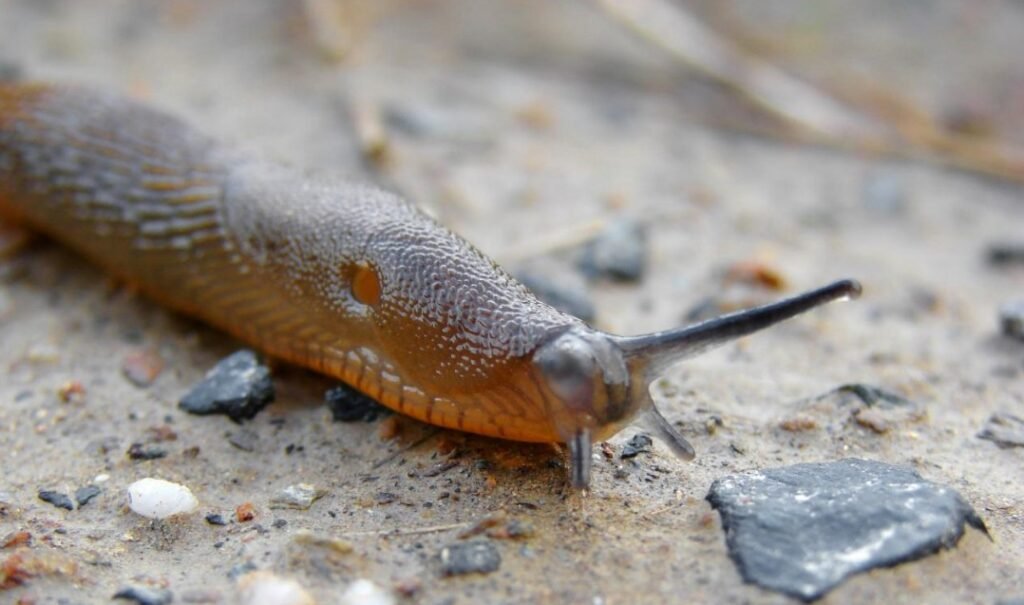
Slugs are a group of soft-bodied, gastropod mollusks that are closely related to snails, but lack the characteristic hard shell. They are commonly found in moist environments, such as gardens, forests, and under logs or stones. Slugs are known for their slimy trails, which they secrete to help them move across surfaces. These creatures play an important role in the ecosystem as decomposers, feeding on organic matter, fungi, and decaying plants. While they are often considered pests in gardens, they also contribute to the health of soil by recycling nutrients.
Slug Scientific Classification
| SCIENTIFIC NAME | Class: Gastropoda, Order: Pulmonata |
| CLASSIFICATION | KINGDOM: Animalia PHYLUM: Mollusca CLASS: Gastropoda ORDER: Pulmonata FAMILY: Various families, including Limacidae and Arionidae |
| SIZE | Typically 2–10 cm in length, although some species can grow much larger |
| SPECIES | Common garden slugs, leopard slugs, banana slugs, and more than 30,000 species globally |
| APPEARANCE | Slugs have a soft, slimy body that can vary in color from gray to brown to yellow. Some species, like the banana slug, are brightly colored. They lack a prominent external shell but have a small internal one in some species. |
| LIFE SPAN | Typically 1–3 years, although some species can live longer in favorable conditions |
| HABITAT | Moist environments such as gardens, forests, under logs, and rocks. Slugs are typically nocturnal, seeking shelter during the day to avoid drying out. |
| DIET | Slugs are herbivores, feeding on a variety of plant matter, including leaves, stems, and fungi. Some species also feed on decaying organic material. |
| NATURAL PREDATORS | Birds, frogs, toads, hedgehogs, and some insect species are natural predators of slugs. |
| COUNTRY | Slugs are found worldwide, in temperate and tropical regions, particularly in moist areas. |
| GESTATION PERIOD | Slugs are hermaphrodites, meaning they have both male and female reproductive organs. After mating, they lay eggs in damp soil, where they develop over a few weeks. |
| CONSERVATION STATUS | Most slug species are not endangered, though habitat destruction and pollution can threaten specific populations. |
Amazing Facts About Slugs
1. Slime for Mobility
Slugs produce a slippery slime that helps them move smoothly across surfaces, reducing friction and protecting their soft bodies from sharp objects.
2. No Shells, No Problem
Unlike snails, slugs do not have an external shell. However, some species have a small internal shell, while others rely on their slimy secretion for protection.
3. Nighttime foraging
Slugs are typically nocturnal creatures. They come out at night to feed when humidity levels are higher, reducing the risk of dehydration.
4. Decomposers of the Ecosystem
Slugs play an important ecological role by feeding on decaying plant material, fungi, and organic matter, recycling nutrients back into the soil.
5. Hermaphroditic Reproduction
Slugs are intersex, meaning each individual has both male and female reproductive organs. After mating, they lay eggs in moist soil or under plants.
6. A Slow Pace
Despite their slimy, slippery nature, slugs are not fast movers. They move at a pace of about 0.013 meters per second.
7. Toxic Slime in Some Species
Certain slug species, like the leopard slug, produce toxic slime that can deter predators. However, not all slugs secrete toxins.
8. A Variety of Colors
Slugs can come in various colors, from dull browns and greens to more striking yellow, orange, or even blue in certain species like the banana slug.
9. Lovers of Damp Environments
Slugs thrive in moist environments, as they need humidity to prevent their bodies from drying out. This is why they are commonly found in gardens, under rocks, and in forests.
10. They Are Beneficial to Soil Health
By feeding on decaying plant matter and fungi, slugs help break down organic material and contribute to the creation of nutrient-rich soil.
Slug Mollusc
Slug Introduction
Although closely related to snails, slugs are soft-bodied gastropod molluscs that differ by lacking a visible external shell. These terrestrial and marine slugs are often labelled as garden pests, yet they play an important ecological role in natural ecosystems worldwide. Found in forests, gardens, wetlands, and coastal waters, slugs contribute to nutrient recycling, soil health, and food chains. This article explores slug anatomy, behaviour, habitat, diet, species diversity, ecological importance, and conservation status.
Slug Overview
What Are Slugs
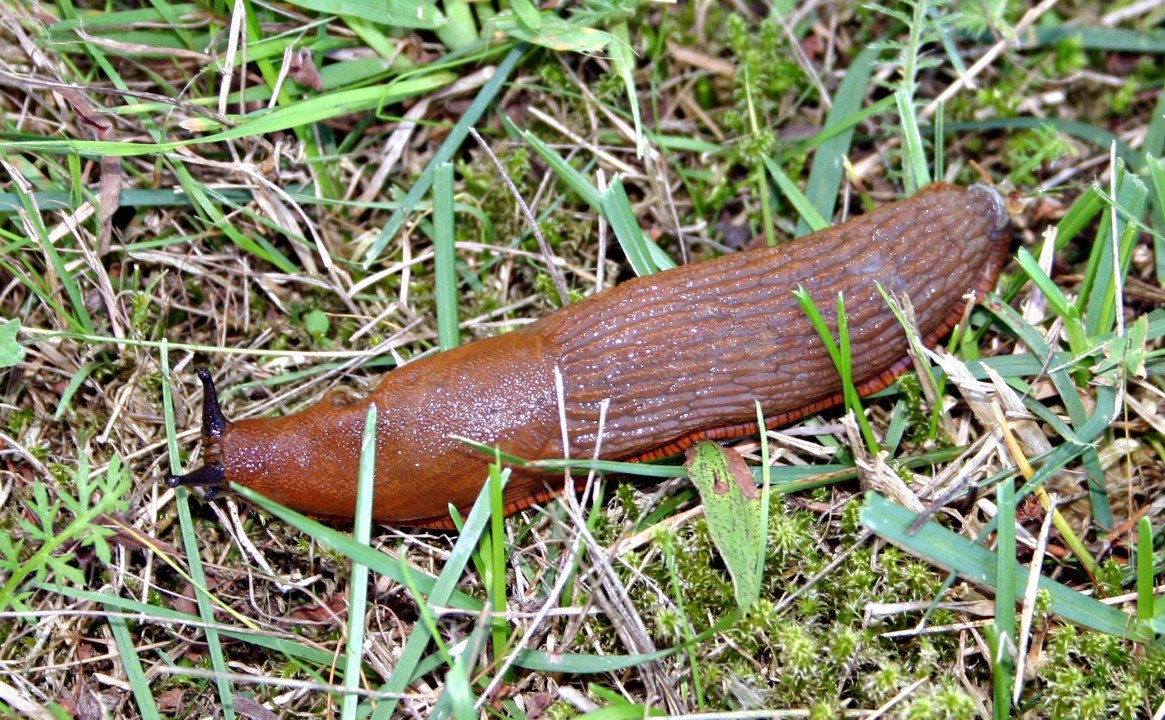
Slugs are molluscs belonging to the class Gastropoda, which also includes snails, limpets, and sea snails. While they resemble snails in body structure, slugs lack the prominent spiral shell typical of snails. Some species retain a small internal or vestigial shell, while others have lost it entirely through evolution.
Movement and Mucus
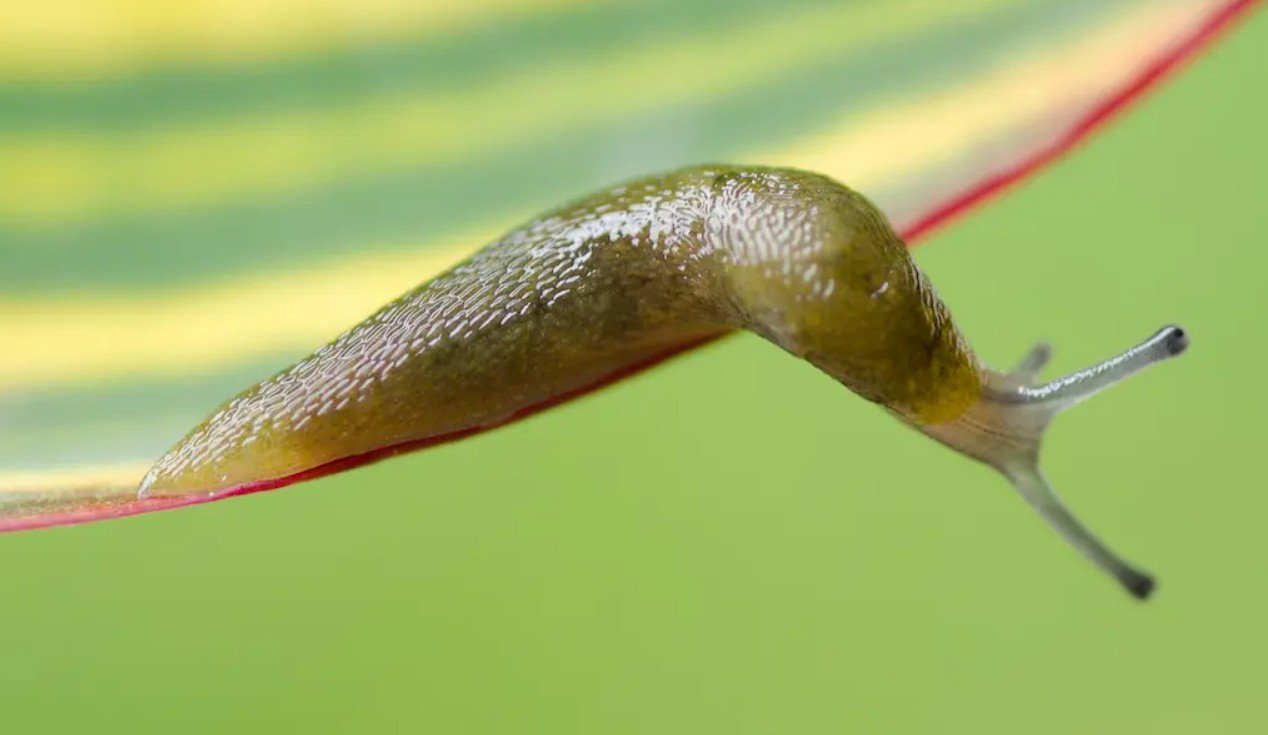
Slugs move using slow, rhythmic muscular contractions that glide them across surfaces. To aid movement and prevent dehydration, they secrete a layer of protective mucus. This slimy coating reduces friction, allows slugs to traverse rough terrain, and helps retain moisture. Most slug species are nocturnal, emerging at night or during damp conditions when humidity is high.
Scientific Classification
- Class: Gastropoda
- Order: Nudibranchia (marine slugs) / Stylommatophora (land slugs)
- Family: Varies by species, including Limacidae and Arionidae
- Common Names: Slug, land slug, sea slug, marine slug
Slug Anatomy
Body Structure
The lack of a hard shell gives slugs a flexible body suited to life in damp environments. Their anatomy allows them to squeeze into narrow spaces and remain concealed from predators.
Body Form: Slugs have soft, elongated bodies that are flattened or cylindrical, enabling efficient movement across soil, vegetation, and decaying matter.
Mantle: The mantle is a fleshy structure that protects internal organs and houses the pneumostome, the breathing opening used for respiration.
Foot: A strong muscular foot runs along the underside of the body, producing wave-like contractions that allow smooth locomotion.
Head and Tentacles: Slugs possess two pairs of tentacles. The upper pair contains light-sensitive eyes, while the lower pair detects smell and touch.
Mucus Function
Mucus production is one of the most distinctive adaptations of slugs, serving multiple biological functions.
- Locomotion: Mucus reduces surface friction, allowing slugs to glide over sharp or uneven terrain.
- Moisture Retention: The slimy layer prevents dehydration by sealing in moisture.
- Defence: Some slug species produce toxic or unpleasant-tasting mucus to deter predators.
Slug Species
Land Slugs
Slugs can be broadly divided into land slugs and marine slugs based on their habitat and lifestyle.
Common Land Slug (Deroceras reticulatum): Frequently found in gardens and farmland, this species thrives in damp soil and shaded areas.
Giant Garden Slug (Limax maximus): One of the largest slug species, reaching up to 10 inches in length, with distinctive striping along its back.
Black Slug (Arion ater): A robust, dark-coloured slug commonly encountered in woodland and garden habitats.
Marine Slugs
Nudibranchs: Colourful marine slugs known for their vivid patterns and chemical defences. They inhabit coral reefs and rocky seabeds worldwide.
Sea Hares (Aplysia): Large marine slugs with soft bodies and ear-like parapodia, often found in shallow coastal waters.
Notable Species
Banana Slug: A bright yellow terrestrial slug native to North American rainforests, known for its size and ecological importance.
Leopard Slug: Recognised by its spotted pattern, this slug is common in gardens, woodlands, and urban environments.
Slug Behaviour
Diet Habits
Most slugs are herbivorous or detritivorous, feeding on plant material, fungi, and decaying organic matter. Their feeding behaviour can damage crops, which is why they are often regarded as agricultural pests.
- Plants: Leaves, stems, grasses, and vegetables.
- Fungi: Mushrooms and moulds in damp habitats.
- Detritus: Decaying plant matter and organic debris.
Feeding Mechanism
Slugs feed using a radula, a tongue-like structure covered in microscopic teeth. This organ scrapes, cuts, and rasps food before ingestion.
Nocturnal Activity
Slugs are primarily nocturnal animals. During daylight hours or dry conditions, they hide beneath logs, stones, mulch, and leaf litter to reduce moisture loss.
Slug Reproduction
Reproductive Cycle
Slugs are intersex, possessing both male and female reproductive organs. Despite this, mating requires two individuals, during which sperm is exchanged.
Eggs are laid in moist, protected locations such as soil or beneath rocks. A single slug can produce hundreds of eggs throughout its lifespan.
Slug Lifespan
Depending on species and environmental conditions, slugs typically live between one and five years. Predation and habitat quality strongly influence survival rates.
Ecological Role
Ecosystem Importance
Despite their negative reputation, slugs provide valuable ecological services:
- Decomposition: They break down organic material, enriching soil nutrients.
- Food Source: Slugs support birds, amphibians, reptiles, and mammals.
- Soil Health: Their movement improves soil aeration and structure.
Slug Conservation
Threats Protection
Most slug species are not currently endangered, but habitat loss, pollution, pesticide use, and climate change threaten certain populations. Some rare species face conservation concern, and efforts focus on habitat protection and biodiversity-friendly land management.
FAQ (Frequently Asked Questions) about Slugs
Q: What are slugs?
Ans: Slugs are soft-bodied gastropod mollusks closely related to snails but without a prominent external shell. They are found in moist environments and play a role as decomposers in ecosystems.
Q: How do slugs move?
Ans: Slugs move using a slimy secretion that reduces friction, allowing them to glide over surfaces. Their slime also helps protect them from sharp objects.
Q: Where do slugs live?
Ans: Slugs are commonly found in moist habitats such as gardens, forests, and under rocks or logs. They are typically nocturnal creatures, seeking shelter during the day to avoid drying out.
Q: What do slugs eat?
Ans: Slugs are herbivores, feeding on a variety of plant materials, including leaves, stems, and fungi. Some species may also feed on decaying organic matter.
Q: Are slugs dangerous to humans?
Ans: Generally, slugs are not harmful to humans. However, some species produce toxic slime to deter predators. They can also carry parasites like rat lungworm, which can be harmful to humans.
Q: How do slugs reproduce?
Ans: Slugs are intersex, meaning they have both male and female reproductive organs. After mating, they lay eggs in damp, sheltered areas.
Q: How long do slugs live?
Ans: Slugs typically live 1–3 years, but their lifespan can vary depending on species and environmental conditions.
Q: Are slugs beneficial for gardens?
Ans: While slugs may damage some plants in gardens by feeding on them, they also help break down decaying organic material, contributing to soil health.
Q: Do slugs have predators?
Ans: Yes, slugs have a variety of natural predators, including birds, frogs, toads, and some insects. They are also often eaten by hedgehogs and other small mammals.
Q: Can slugs be pets?
Ans: While slugs can be kept as pets, they are not common pets due to their short lifespan and specific habitat needs. They require moist environments to thrive.
#Slug #Gastropods #Mollusks #GardenPests #Decomposers #Nature #Ecosystem #Invertebrates #Slime
Our sources and references about Slugs
1: Wikipedia – Slug
2: Gardener’s World – Slugs and Snails
3: Britannica – Slug
4: National Geographic – Slug