The Yellowjacket is a type of wasp known for its yellow and black striped body. It is highly aggressive and will defend its nest vigorously. Yellowjackets are common in North America, and their stings can be painful and, in rare cases, allergic reactions can be fatal. They are also scavengers, feeding on insects, meat, and sugary foods.
Quick Top 10 Facts about Yellowjacket
| SCIENTIFIC NAME | Vespula spp. and Dolichovespula spp. |
| CLASSIFICATION | KINGDOM: Animalia PHYLUM: Arthropoda CLASS: Insecta ORDER: Hymenoptera FAMILY: Vespidae GENUS: Vespula / Dolichovespula |
| SIZE | 0.5–0.75 inches (1.2–1.9 cm) in length |
| HABITAT | Common in forests, meadows, urban areas, and gardens across North America, Europe, and parts of Asia |
| DIET | Omnivorous; feeds on nectar, fruits, insects, and human food waste |
| SPECIES | Several species of wasps characterized by black and yellow markings and aggressive behavior |
| COUNTRY | Found globally, especially in North America and Europe |
| GESTATION PERIOD | Eggs hatch in a few days; full development from egg to adult takes about 3 weeks |
| LIFE SPAN | Workers live 12–22 days; queens can live up to 1 year |
| CONSERVATION STATUS | Not endangered; considered pests in many regions due to their aggressive behavior |
Amazing Facts About Yellowjackets
1. Not bees, but wasps
Despite often being mistaken for bees, Yellowjackets are a type of wasp and are generally more aggressive.
2. Highly aggressive when provoked
Yellowjackets will fiercely defend their nests and can sting multiple times without dying.
3. Excellent hunters
They play a role in controlling pest populations by preying on insects like flies and caterpillars.
4. Live in large colonies
A typical colony can contain thousands of workers, with a single queen responsible for reproduction.
5. Build nests from paper
Yellowjackets create nests by chewing wood fibers into a papery pulp, often found underground or in wall voids.
6. Attracted to sweet smells
These insects are notorious for swarming picnics and trash cans due to their love of sugary foods.
7. Seasonal behavior
Colonies typically die off in late fall, with only the queen surviving winter to start a new colony in spring.
8. Beneficial to ecosystems
Though considered pests, Yellowjackets contribute to pollination and natural pest control.
9. Capable of multiple stings
Unlike bees, they don’t lose their stinger and can sting repeatedly, which can be dangerous to allergic individuals.
10. Recognizable appearance
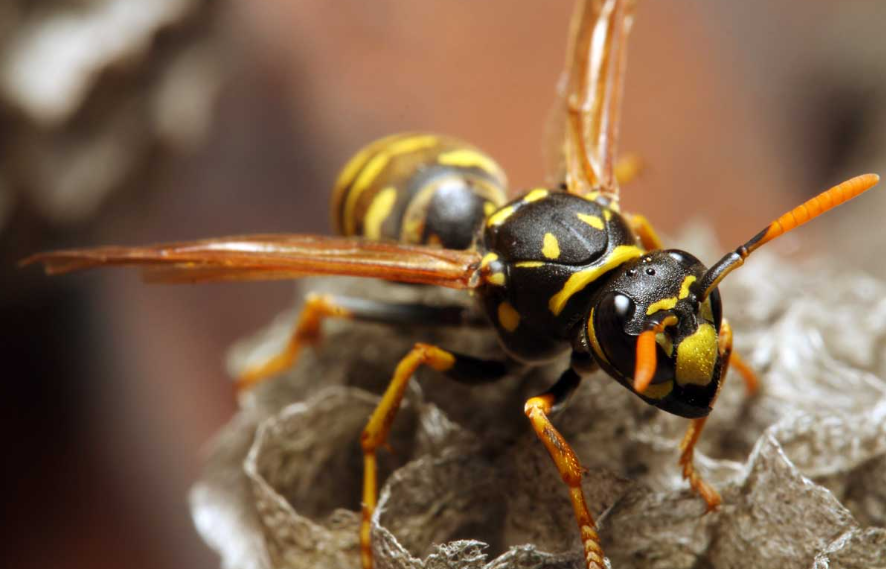
They have distinctive black and yellow bands and a sleek, hairless body, which helps differentiate them from bees.
Introduction to the Yellowjacket
One of the most well-known and dreaded wasp species in North America is the yellowjacket (Vespula spp.). These insects are often seen as a menace to people because of their violent tendencies and excruciating stings. As scavengers and predators, yellowjackets contribute significantly to ecosystems despite their unfavourable image. The physical characteristics, habitat, behaviour, nutrition, and importance of yellowjackets are given below, along with safety advice for handling them.
Yellowjacket Physical Characteristics
Yellowjackets get their name from their unusual appearance, which includes brilliant yellow and black stripes on their bodies. Usually measuring between 0.5 and 0.75 inches in length, these wasps are distinguished by their glossy, smooth bodies. Yellowjackets have longer, sleeker bodies and a more aggressive stance than bees.
Appearance and Size
Yellowjacket adults have a sleek, thin physique that enables rapid flying, and they are usually between 0.5 and 0.75 inches long. They have strong stingers for both hunting and defence, and their wings are translucent. The black and yellow colouration on these wasps serves as a warning to possible predators and makes them clearly recognised.
Habitat and Distribution
Various kinds of yellowjackets may be found in both urban and rural regions of North America. Because of their extreme adaptability, they may flourish in a variety of settings, including cities, suburban areas, grasslands, and woodlands. Yellowjackets are especially well-known for building their nests in safe places like trees, the ground, and buildings like wall cavities and attics.
Preferred Setting
Yellowjackets seek nesting locations that provide shelter from the weather and potential predators. Underground tunnels, underbrush, and hollow trees are common places for nesting. Additionally, they have been found to construct nests within the walls of houses and other buildings, as well as in sheds and attics.
Capability to Adjust to Urban and Rural Environments
Because of their remarkable adaptability, yellowjackets can live happily in both urban and rural settings. They may build their nests close to homes, in gardens, or in rural regions. They are among the most prevalent and widely distributed wasp species in North America because of their adaptability.
Nutrition and Feeding Habits
Being omnivores, yellowjackets are very opportunistic eaters. They eat a range of foods, including fruits, insects, and sweet materials. They often attend outdoor gatherings and picnics because they are particularly drawn to sweet meals.
Yellowjackets’ Ecological Role
By assisting in the management of other insect populations, especially dangerous pests, yellowjackets contribute significantly to the environment. By hunting and killing insects like flies, caterpillars, and aphids, they are known to support the natural equilibrium of nearby habitats.

Behaviour of Scavenging
Yellowjackets are scavengers that also hunt, consuming sweet materials, trash, and dead animals. This scavenging behaviour contributes to trash reduction and the recycling of nutrients into the ecosystem.
Social Organisation and Conduct
Colonies of yellowjackets are social insects that are usually established in the spring by a single fertilised queen. As the colony expands, it becomes very well organised, with each member playing a distinct function, such as worker, soldier, or queen.
Colony Structure and Functions
The queen, workers, and male drones are the three different sorts of people that make up the Yellowjacket colony. While workers collect food and protect the nest, the queen is in charge of producing eggs. During the mating season, male drones only mate with the queen.
Defense and Aggression
Yellowjackets have a reputation for being violent, especially when they believe their nest is under danger. They may sting many times and use quick strikes to protect their colony. People with sensitivity should be concerned about them since their poisonous sting may trigger serious allergic responses in some people.
Lifespan and Reproduction
The life cycle of yellowjackets is cyclical; colonies are formed in spring and then decline in the autumn. In order to construct the nest and gather food, the queen first lays eggs that develop into workers. New males and queens are created throughout the season, and they mate before the colony dies out in the autumn.
Colony Nesting and Growth
A Yellowjacket colony’s nest may get quite big, housing thousands of individuals. The workers often chew wood fibres and combine them with saliva to generate a papery material that is used to make nests. Late summer is when the colony peaks, and as the temperature cools, it starts to diminish.
Yellowjacket Lifespan
A yellowjacket’s lifetime varies according to its job in the colony. While the queen may survive for many months, worker yellowjackets usually only live for a few weeks. The colony itself usually dies off in the late autumn as temperatures drop, and male drones pass away soon after mating.
The Significance of Ecosystems
Because they help break down organic matter and regulate insect populations, yellowjackets are important to ecosystems. Their scavenging and hunting habits contribute to the preservation of a healthy species balance in their habitats.
Contribution to the Control of Pests
Yellowjackets naturally hunt a variety of common garden pests, such as flies, aphids, and caterpillars. They contribute to lowering the demand for chemical pesticides, which may be detrimental to other species, by controlling these populations.
Handling Yellowjackets
Despite their importance to ecosystems, yellowjackets may be dangerous to people if their nests are disrupted. To avoid unpleasant stings and allergic responses, it is crucial to understand how to handle yellowjackets properly.
Safety Advice to Prevent Stings
It’s crucial to use caution while approaching Yellowjacket nests to prevent being stung. It is advisable to refrain from disrupting a nest if it is situated close to your house or in a commonly frequented region. The likelihood of being stung may be decreased by using insect repellent and wearing protective gear.
How to Remove a Yellowjacket Nest Safely
It’s crucial to manage a yellowjacket nest cautiously if you find one on your property. The best course of action is to get in touch with a pest control expert who can dismantle the nest securely and without endangering either you or the wasps. Never try to remove a yellowjacket nest without taking the right safety measures.
Conservation and Threats
In most places, yellowjacket populations are not seriously threatened; however, habitat loss and pesticide usage may have a detrimental impact. Future healthy yellowjacket populations may be ensured by conservation initiatives that safeguard pollinators and minimise the usage of pesticides.
The Effect of Habitat Loss
Yellowjackets may have fewer options for appropriate nesting locations as a result of urbanisation and environmental degradation. The survival of these significant insects may be supported by the preservation of woodland and green environments.
Yellowjackets’ Contribution to Pollination
Yellowjackets have a part in pollination in addition to being predators. They unintentionally spread pollen from one plant to another when foraging for food, which aids in the reproduction of many blooming species.
FAQ (Frequently Asked Questions) about Yellowjacket
Q: What is a Yellowjacket?
Ans: A Yellowjacket is a common name for predatory wasps in the genera *Vespula* and *Dolichovespula*. They are known for their bright yellow and black coloration and are often mistaken for bees. Unlike bees, Yellowjackets are aggressive and can sting multiple times.
Q: Where do Yellowjackets live?
Ans: Yellowjackets are found throughout North America and many other parts of the world. They commonly build nests in the ground, but can also nest in wall voids, attics, or shrubs. Their nests are made of a papery substance created by chewing wood fibers mixed with saliva.
Q: What do Yellowjackets eat?
Ans: Yellowjackets are omnivorous and feed on a variety of foods. They are especially attracted to sugary substances like fruits, sodas, and sweets. They also hunt other insects, which makes them beneficial for pest control, but their aggressive nature can be problematic.
Q: Are Yellowjackets dangerous?
Ans: Yes, Yellowjackets can be dangerous, especially when provoked. They are capable of stinging multiple times, and their stings are painful and can cause allergic reactions in some people. In rare cases, severe allergic reactions (anaphylaxis) can be life-threatening.
Q: How can you tell a Yellowjacket apart from a bee?
Ans: Yellowjackets have a smooth, shiny body with defined yellow and black stripes, while bees are usually fuzzier and more brownish. Yellowjackets also have a narrower waist and are more aggressive than bees, especially when defending their nests.
Q: What should I do if I find a Yellowjacket nest?
Ans: If you discover a Yellowjacket nest, avoid disturbing it. It’s best to contact a pest control professional to remove it, especially if the nest is near high-traffic areas or if someone nearby is allergic to stings. Attempting to remove a nest without proper protection can be dangerous.
Q: How long do Yellowjackets live?
Ans: Worker Yellowjackets typically live for several weeks during the summer. Queens, however, can live up to a year. Each fall, new queens are produced, and they hibernate through the winter to start new colonies in the spring.
Q: Can Yellowjackets be beneficial?
Ans: Yes, despite their reputation, Yellowjackets can be beneficial as they help control pest insect populations. They are natural predators of many garden pests and contribute to the ecological balance. However, their aggressive nature often outweighs their benefits in populated areas.
Q: Are Yellowjackets active at night?
Ans: Yellowjackets are primarily active during the day and return to their nests at night. They are less active in cooler temperatures, which is why they’re more of a nuisance during warm summer months.
Q: How do you prevent Yellowjacket infestations?
Ans: To prevent Yellowjacket infestations, keep food and garbage tightly sealed, especially outdoors. Avoid leaving sugary drinks and fruits exposed. Regularly inspect your property for nests, and seal potential entry points around your home.
#Yellowjacket, #Insects, #WaspSpecies, #StingingInsects, #PestControl, #NatureFacts, #GardenPests, #Pollinators, #OutdoorSafety, #InsectAwareness
Our sources and references about Yellowjackets
1: Wikipedia – Yellowjacket
2: PestWorld – Yellowjackets
3: Purdue Extension – Yellowjackets
4: National Geographic – Yellowjacket