Quick Top 10 Facts about Bichir Fish
| SCIENTIFIC NAME | Polypterus spp. |
| CLASSIFICATION | KINGDOM: Animalia PHYLUM: Chordata CLASS: Actinopterygii ORDER: Polypteriformes FAMILY: Polypteridae GENUS: Polypterus |
| SIZE | Length: 12–36 inches (30–90 cm), depending on species |
| HABITAT | Freshwater rivers, lakes, and swamps of Africa, particularly in regions with slow-moving water |
| DIET | Carnivorous; feeds on fish, insects, and smaller invertebrates |
| SPECIES | Bichir, a fish with distinct dorsal finlets and an ancient lineage |
| COUNTRY | Native to central and western Africa |
| GESTATION PERIOD | Egg-laying species; fertilization occurs externally |
| LIFE SPAN | Up to 15–20 years in captivity |
| CONSERVATION STATUS | Not endangered; populations are stable in the wild, though habitat loss is a concern |
Amazing Facts About Bichir Fish
1. Bichirs are ancient fish
Bichirs belong to one of the oldest surviving fish lineages, dating back over 400 million years.
2. They have “lungs” to breathe air
Bichirs have both gills and lungs, allowing them to breathe air and survive in oxygen-poor waters for short periods.
3. They are great survivors
These fish are capable of surviving in low-oxygen environments thanks to their ability to gulp air at the water’s surface.
4. They have a distinctive appearance
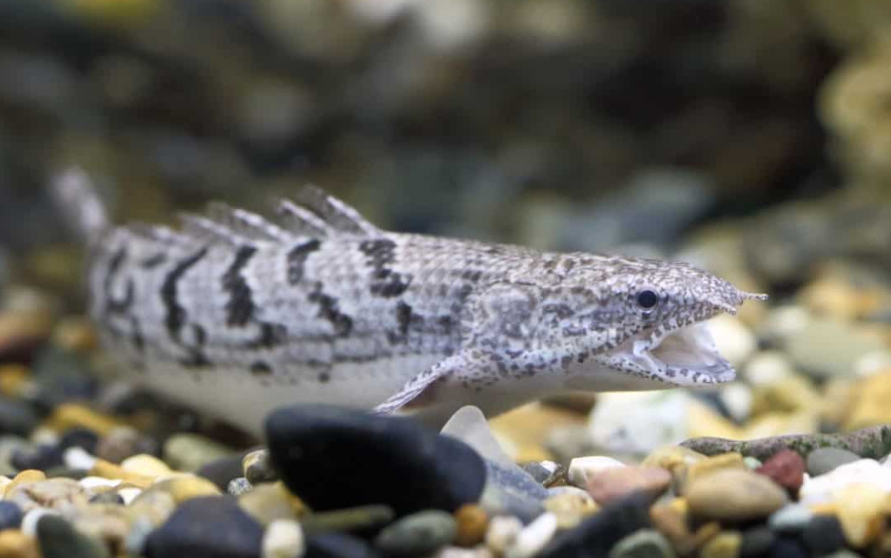
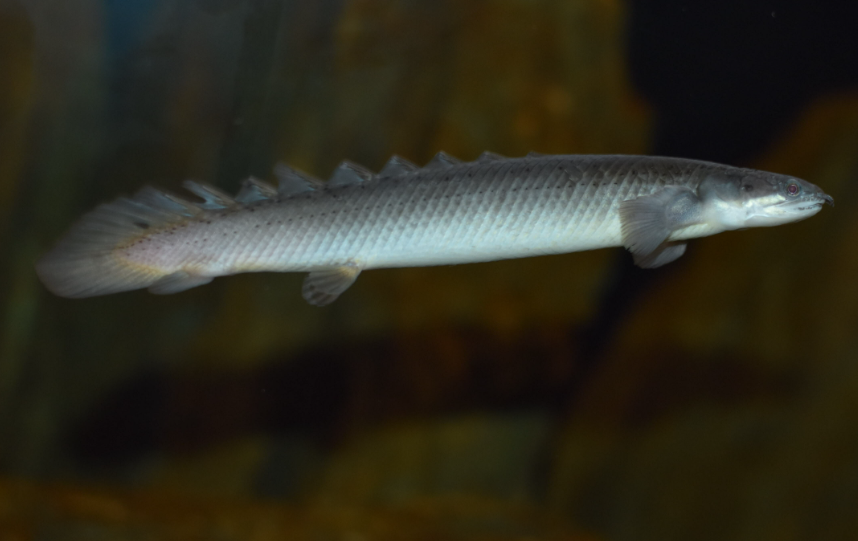
Bichirs have elongated bodies, a series of dorsal finlets, and an armored, scaly exterior that gives them a prehistoric look.
5. They are nocturnal hunters
Bichirs are primarily active at night, using their keen sense of smell to hunt in the dark.
6. They have a varied diet
These fish are carnivores and enjoy eating smaller fish, insects, and invertebrates found in their natural habitats.
7. Bichirs are adaptable
They can live in a wide range of freshwater environments, from slow-moving rivers to swampy regions and lakes.
8. They have a slow metabolism
Bichirs are not the fastest swimmers but can live for a long time due to their slow metabolism.
9. They are popular in aquariums
Bichirs are often kept in aquariums due to their fascinating appearance and unique behavior.
10. They have excellent night vision
Bichirs can see well in low-light conditions, helping them locate prey in their natural nocturnal environment.
Intriguing Facts about Bichir Fish
The bichir is a member of the Polypteridae family of fish. Native to Africa, they may be found in a range of freshwater habitats, such as lakes, rivers, and swamps. Bichirs are easily recognized by their long bodies, plated scales, and two air-breathing lungs. They may live for ten to fifteen years and grow up to at most two feet long.
How bichir adapt to their environment to survive
Bichirs are well known for their ability to survive in environments with low oxygen levels. This is due to their unique respiratory system, which enables them to absorb oxygen from the air around them. In addition to breathing air, bichirs can also extract oxygen from the water thanks to their gills. Their multiple respiratory systems provide them with a competitive advantage in their natural settings, where oxygen levels might fluctuate.
Feeding habits of Bichir Fish and diet patterns
Carnivores and bichirs eat a variety of foods, including worms, insects, small fish, and crustaceans. Its unique style of hunting is waiting for its prey to get close before attacking with their very sharp teeth. Bichirs are known to be opportunistic feeders and are capable of going for lengthy periods of time without eating. Their slow metabolism allows them to save energy and survive in environments with limited food sources. All things considered, bichirs are incredible fish with unique characteristics that enable them to thrive in a range of aquatic environments.
Fascinating facts about Bichir fish
An Amazing water animal of Africa’s freshwater rivers and lakes are home to the unusual and fascinating bichir, also referred to as the polypterus. Researchers and aquarium fans alike have grown to love the bichir because of its fascinating habits and ancient look. In this post, we’ll look at some amazing facts about this aquatic animal below:
Interesting and informative facts about bichir fish
The bichir is sometimes called a “living fossil” because of its ancient characteristics, which have hardly altered over millions of years. This species is among the oldest fish species still living on Earth, having been there since the Cretaceous era, according to fossil records. The bichir’s long body, which resembles an eel’s, is one of its most distinguishing features. Because of its armored scales and swim bladder like a lung, the bichir is able to live in oxygen-deficient habitats like muddy riverbeds and stagnant pools.
Unique adaptations ability in bichir fish
The bichir can flourish in its native environment because of a number of unusual adaptations that it has. One of these adaptations is the ability to breathe air. The bichir can take in oxygen from the atmosphere because of a unique lung-like structure called a labyrinth organ that it has in addition to its gills. When water levels drop and oxygen levels become limited during the dry season, this adaptation is very helpful.
How Bichir fish adapt to their environment to survive
Its resilience to protracted droughts is yet another amazing adaptation of the bichir. When water supplies run out, the bichir may burrow into the mud and enter a state of aestivation. Its metabolism slows down during this period, and it may go for months without food or water until the rains come again
Feeding Habits and hunting strategy of bichir fish
The bichir has a varied diet and is an opportunistic predator. It consumes a variety of foods, such as insects, tiny fish, crabs, and even tiny frogs. It is a skilled predator because of its ability to precisely grab its prey with its lengthy, tooth-filled jaws.
Special hunting activity of bichir fish for feeding
Fascinatingly, while hunting close to the water’s surface, the bichir is known to display a distinctive feeding habit known as “jumping,” in which it launches itself out of the water to capture food above the surface. It is thought that this behavior developed in reaction to the periodic floods that take place in its native environment.
Reproductive behavior and mating rituals of bichir fish
A notable metamorphosis occurs in male bichirs during the mating season. They have a noticeable hump on top of their heads called a nuchal hump, which is thought to be a sign that they are ready to reproduce. In order to entice females, male bichirs also exhibit vivid colors and perform complex courting rituals.
Process of fertilization and after fertilization tasks followed by female members
Following the formation of a couple, the female deposits her eggs on a surface that is submerged, such as a rock or plant. After fertilizing the eggs, the male looks after them until they hatch. This shows the distinctive reproductive habits of the bichir, which are rare among fish species.
Ideal tank setup for bichir fish to set up aquarium
The bichir is a highly sought-after species in the aquarium trade due to its unique look and intriguing activities. It’s crucial to remember, however, that bichirs need particular attention in order to flourish in captivity. They need a large aquarium with plenty of hiding places and a diverse diet that closely resembles their diet in the wild.
Furthermore, bichirs have a reputation for growing to considerable sizes—some species have been recorded to surpass three feet in length. Therefore, before thinking of keeping a bichir as a pet, aquarium hobbyists should thoroughly understand the needs of each species.
What a Bichir is and its significance in the aquatic world
The bichir is an amazing species that has endured for millions of years. It is an enthralling object of study and adoration because of its ancient roots, distinctive adaptations, diversified food, and intriguing breeding habits. It is a genuinely amazing experience to see the bichir in its native environment, whether it is in the wild or in an aquarium.
FAQ (Frequently Asked Questions) about Bichir Fish
Q: What is a Bichir Fish?
Ans: The Bichir Fish, scientifically known as *Polypteridae*, is a prehistoric freshwater fish known for its elongated body, armored scales, and distinctive fin structure. It is often referred to as a “living fossil” due to its ancient lineage that dates back to the Cretaceous period.
Q: Where are Bichir Fish found?
Ans: Bichir Fish are native to the freshwater rivers and lakes of Central Africa. They are commonly found in slow-moving streams, swamps, and floodplains with muddy or sandy bottoms. Some species of Bichir can be found as far north as the Nile River Basin.
Q: What do Bichir Fish eat?
Ans: Bichir Fish are carnivorous and primarily feed on smaller fish, invertebrates, and aquatic insects. They are opportunistic hunters and may also scavenge for food when necessary. Their diet may vary depending on the species and habitat.
Q: How do Bichir Fish breathe?
Ans: Bichir Fish are unique in that they possess both gills and a specialized lung-like structure called a “spiracle,” allowing them to breathe oxygen from the air. This adaptation enables them to survive in low-oxygen environments, such as stagnant waters or muddy swamps.
Q: What is the size of a Bichir Fish?
Ans: Bichir Fish can vary in size depending on the species. On average, they can grow between 12 to 24 inches (30 to 60 cm), but some species can reach lengths of up to 3 feet (90 cm). Despite their size, they are known for their agility and swift movements in the water.
Q: Are Bichir Fish popular in aquariums?
Ans: Yes, Bichir Fish are popular among aquarium enthusiasts, particularly those who specialize in keeping fascinating or prehistoric species. Their unique appearance and fascinating behavior make them an interesting addition to freshwater tanks. They require a large tank with plenty of hiding spaces and a secure lid to prevent escape, as they are known to be escape artists.
Q: Are Bichir Fish endangered?
Ans: While most species of Bichir Fish are not currently endangered, some face threats from habitat destruction, overfishing, and pollution in their native environments. Conservation efforts are important to protect these ancient fish and their ecosystems.
#BichirFish, #Polypteridae, #AquariumFish, #FreshwaterFish, #LivingFossil, #PrehistoricFish, #AfricanFish, #ExoticAquarium, #Fishkeeping
Our sources and references about Bichir Fish
1: Aquarium Coop – Bichir Fish
2: Fishkeeping World – Bichir Fish Guide
3: FishBase – Bichir Species
4: The Aquarium Guide – Bichir Fish Care