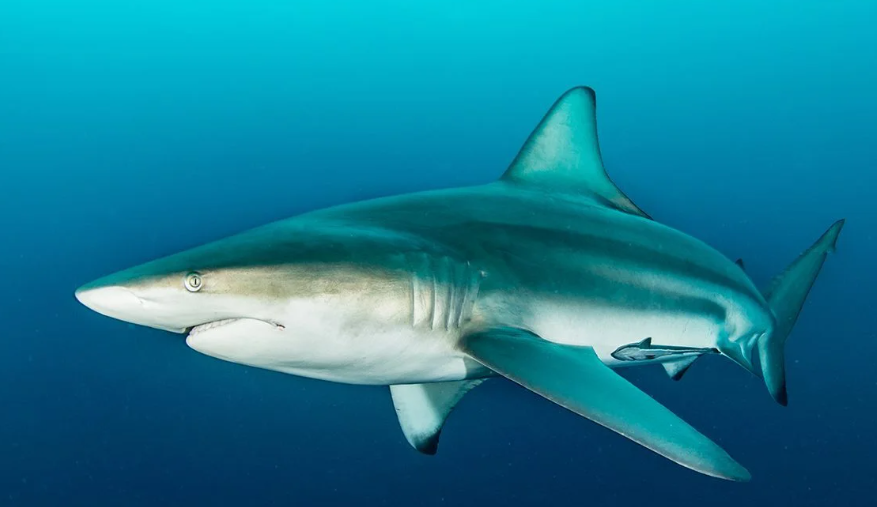
Quick Top 10 Facts about Blacktip Shark
| SCIENTIFIC NAME | Carcharhinus limbatus |
| CLASSIFICATION | KINGDOM: Animalia PHYLUM: Chordata CLASS: Chondrichthyes ORDER: Carcharhiniformes FAMILY: Carcharhinidae GENUS: Carcharhinus SPECIES: C. limbatus |
| SIZE | Length: Up to 2.5 meters (8.2 feet), Average: 1.5–2 meters (5–6.5 feet) |
| HABITAT | Shallow coastal waters, estuaries, coral reefs, and continental shelves in tropical and subtropical regions worldwide |
| DIET | Carnivorous; feeds on small fish, squid, octopus, crustaceans, and rays |
| SPECIES | A sleek, fast-swimming shark species easily identified by the black tips on its fins |
| COUNTRY | Found in warm waters worldwide, including the Gulf of Mexico, Caribbean, Indian Ocean, and Indo-Pacific region |
| GESTATION PERIOD | Approximately 10–12 months; gives birth to 4–11 live pups |
| LIFE SPAN | 15–25 years in the wild |
| CONSERVATION STATUS | Near Threatened due to overfishing and bycatch in commercial fisheries |
Amazing Facts About Blacktip Sharks
1. Blacktip Sharks are known for their acrobatics
They are often seen leaping out of the water while spinning, especially when hunting in schools of fish.
2. They are fast swimmers
Blacktip sharks are powerful and agile, using their streamlined bodies to chase down prey.
3. Their fins have distinct black markings
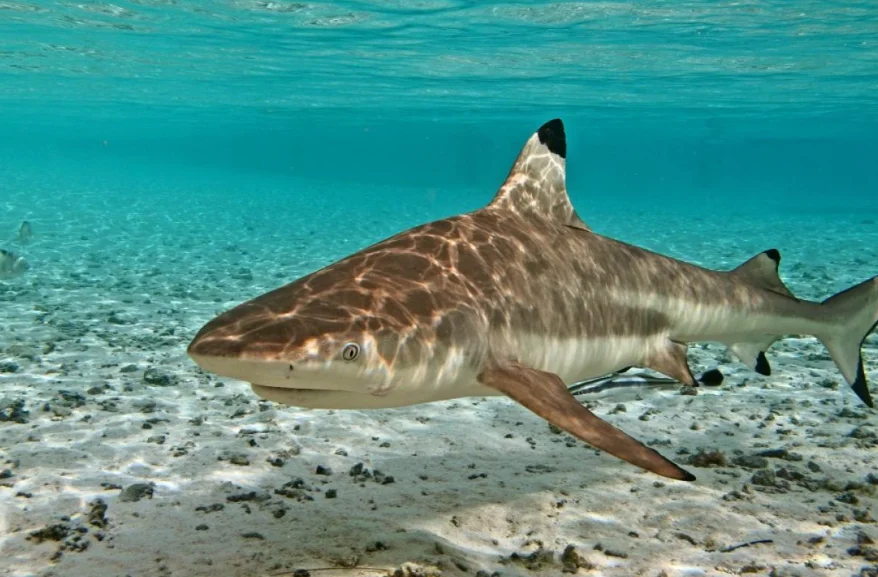
Their name comes from the prominent black tips on their dorsal, pelvic, and caudal fins, making them easy to identify.
4. They are social animals
Blacktip sharks often gather in schools, especially when young, which helps reduce predation.
5. They give birth to live young
Unlike many fish, blacktip sharks are viviparous, giving birth to fully-formed pups after a long gestation period.
6. They play a vital role in ocean ecosystems
As apex predators, they help maintain the balance of marine populations by preying on weaker and diseased fish.
7. They are commonly found in shallow waters
Blacktip sharks prefer shallow, coastal areas and are often seen near beaches, reefs, and river mouths.
8. They are not aggressive to humans
Though they can appear near shore, blacktip sharks are generally not considered dangerous unless provoked or mistaken.
9. Blacktip sharks are popular with divers and fishermen
They’re frequently encountered during recreational diving and sport fishing due to their abundance and activity near shore.
10. They face threats from overfishing
Due to demand for their fins and meat, blacktip sharks are increasingly vulnerable to commercial fishing and bycatch.
Origin and habitat of blacktip shark fish
The scientific name for this fascinating species of blacktip shark is Carcharhinus limbatus, and it is found in warm coastal seas worldwide. The distinctive black points on its fins, which are most evident on the caudal and dorsal fins, are the source of its name. The shark may be easily recognised because of its striking contrast between its black points and greyish-brown body.
Distinctive physical features of blacktip shark fish
The amazing swimming ability of the blacktip shark is one amazing truth. It is well known for its speed and agility and can reach up to 20 miles per hour. Its ability to swiftly track down its food, which consists mostly of small fish, squid, and crustaceans, makes it a very successful predator. Its sleek shape and muscular power allow it to swim very well.
The behavior of blacktip sharks, including their social structure
Another significant characteristic of blacktip sharks is their social behaviour. They are sometimes seen in large groups, sometimes in the hundreds, which are referred to as schools. In numbers, the sharks in the schools provide safety as they may confuse and deter potential predators. In addition to being well-known for their acrobatic displays, blacktip sharks are believed to use their frequent leaps out of the water as a courtship or communication method. These displays add to the allure of this incredible species and are very stunning to see.
Fascinating facts about blacktip shark fish
Blacktip sharks are an interesting kind of shark that may be found worldwide in warm coastal areas. These sharks, which are distinguished by having black tips on their fins, have drawn the interest of both researchers and marine enthusiasts. We’ll look at some fascinating blacktip shark facts below:
Detailed information about the physical characteristics of blacktip sharks
Blacktip sharks are medium-sized sharks that may grow up to six feet in length. They have an extended tail and a thin, pointed nose on a sleek body. Blacktip sharks get their name from the black tips on their pectoral and dorsal fins, which contrast with their bodies, which are bronze or grey in colour. When the sharks swim near the water’s surface, their black tips are very noticeable.
The typical habitat of blacktip sharks includes both coastal and offshore areas
The Atlantic, Indian, and western Pacific oceans are among the tropical and subtropical waters where blacktip sharks are often seen. They like coral reefs, bays, and estuaries, which are shallow coastal regions. These sharks are well-known for their capacity to adapt to a wide range of settings, including freshwater and saltwater ones.
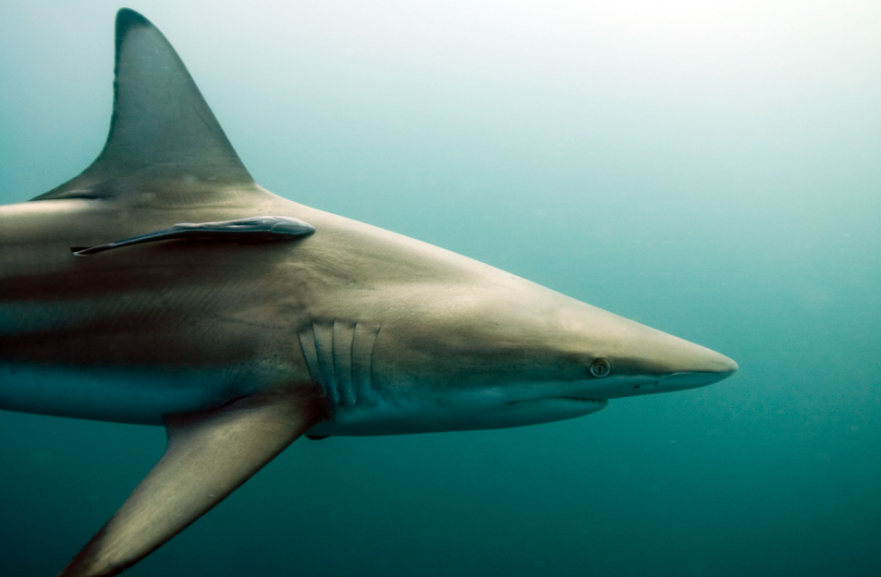
Blacktip sharks are opportunistic predators, feeding on a variety of prey
As opportunistic hunters, blacktip sharks mostly consume tiny fish like anchovies, sardines, and mullets. Additionally, they have been seen to eat squid, crabs, and sometimes smaller sharks. Because of their quick and fluid swimming, these sharks may easily pursue their prey. Their teeth are perfect for ripping into their prey’s flesh since they are sharp and serrated.
Hunting techniques of Blacktip shark fish
Known as breaching, blacktip sharks are often seen jumping out of the water to prey. It is said that this amazing show serves as a hunting tactic to ambush and subdue schools of fish.
Information about the reproductive behavior of blacktip sharks
Blacktip sharks mature sexually at different ages. Females attain sexual maturity around age 5 or 6, while males mature sexually around age 4 or 5. Some of these sharks may live up to 12 years in the wild, which is quite a lengthy lifetime.
Lifecycle and gestation period of Blacktip sharks
Blacktip sharks use a special kind of reproduction called viviparity. This indicates that the young are born alive and that the embryos grow within the mother’s body. Blacktip sharks usually give birth to 4–7 pups at a time during their 10–12-month gestation period.
Threats faced by blacktip sharks, such as overfishing and habitat degradation
The International Union for Conservation of Nature (IUCN) presently lists blacktip sharks as near-threatening in terms of conservation. Blacktip sharks, like many other shark species, are threatened by a variety of factors, including habitat deterioration and overfishing.
Conservation efforts and initiatives aimed at protecting blacktip sharks population
A common bycatch in commercial fishing operations that targets other species is blacktip sharks. Their fins are highly prized as well, since the shark fin trade uses them. Sustainable fishing methods and the creation of marine protected zones are two ways that efforts are being undertaken to save these sharks.
The blacktip shark fish is a key species in marine ecosystems
The amazing blacktip shark is an essential component of marine ecosystems. Researchers and shark lovers throughout the globe have been fascinated by them due to their remarkable looks and hunting prowess. To guarantee these amazing species’ existence for future generations, however, we must strive towards their conservation.
FAQ (Frequently Asked Questions) about Blacktip Shark
Q: What is a Blacktip Shark?
Ans: The Blacktip Shark is a medium-sized species of requiem shark known for the distinctive black tips on its fins. Scientifically named Carcharhinus limbatus, it is a fast-swimming predator commonly found in warm coastal waters around the world.
Q: Where can Blacktip Sharks be found?
Ans: Blacktip Sharks are found in tropical and subtropical waters worldwide, including the Atlantic Ocean, Indian Ocean, and parts of the Pacific. They prefer shallow waters near coral reefs, estuaries, bays, and even river mouths.
Q: What do Blacktip Sharks eat?
Ans: Blacktip Sharks primarily feed on small schooling fish such as sardines, herring, and mullet. They also consume cephalopods like squid and octopuses, as well as crustaceans. Their speed and agility make them effective hunters.
Q: Are Blacktip Sharks dangerous to humans?
Ans: While Blacktip Sharks are not considered highly dangerous, they are responsible for a number of non-fatal bites on humans, often due to mistaken identity in murky waters. They are generally shy and prefer to avoid contact with people.
Q: How big do Blacktip Sharks get?
Ans: Adult Blacktip Sharks typically grow to about 4 to 6 feet (1.2 to 1.8 meters) in length and can weigh up to 220 pounds (100 kg). Males are usually smaller than females.
Q: How do Blacktip Sharks reproduce?
Ans: Blacktip Sharks are viviparous, meaning they give birth to live young after a gestation period of 10 to 12 months. Females give birth to litters of 4 to 10 pups in shallow nursery areas close to shore.
Q: Do Blacktip Sharks migrate?
Ans: Yes, Blacktip Sharks are known to migrate seasonally, often following temperature changes and prey availability. In some regions, they move to warmer waters during colder months.
Q: What are the threats to Blacktip Sharks?
Ans: Blacktip Sharks face threats from commercial and recreational fishing, as they are caught for their meat, fins, and liver oil. Habitat loss and pollution also pose risks to their populations in coastal regions.
Q: Are Blacktip Sharks protected?
Ans: Conservation status varies by region. While not currently listed as endangered, overfishing and habitat degradation have led to declines in some areas. Conservation efforts are in place in certain countries to monitor and manage shark populations.
#BlacktipShark, #CarcharhinusLimbatus, #SharkFacts, #OceanPredators, #MarineLife, #RequiemShark, #SharkSpecies, #TropicalWaters, #UnderwaterWorld, #SharkConservation
Our sources and references about Blacktip Shark
1: Wikipedia – Blacktip Shark
2: Florida Museum – Blacktip Shark
3: Oceana – Blacktip Shark
4: IUCN Red List – Blacktip Shark