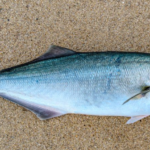
Quick Top 10 Facts about Bluegill Fish
| SCIENTIFIC NAME | Lepomis macrochirus |
| CLASSIFICATION | KINGDOM: Animalia CLASS: Actinopterygii ORDER: Perciformes FAMILY: Centrarchidae PHYLUM: Chordata GENUS: Lepomis |
| SIZE | Typically 6–10 inches (15–25 cm); can reach up to 12 inches (30 cm) |
| HABITAT | Freshwater lakes, ponds, rivers, and slow-moving streams, often near vegetation |
| DIET | Omnivorous – eats insects, zooplankton, worms, and small fish |
| SPECIES | One main species: Lepomis macrochirus, with several subspecies and hybrids |
| COUNTRY | Native to North America – especially the United States and southern Canada |
| GESTATION PERIOD | Eggs hatch in 2–5 days after being laid in shallow nests |
| LIFE SPAN | Typically 5–6 years; can live up to 10 years in ideal conditions |
| CONSERVATION STATUS | Least Concern – widespread and abundant |
Amazing Facts About Bluegill Fish
1. Bluegills are excellent panfish
They are one of the most popular freshwater fish for sport fishing in North America.
2. Known for the dark “ear” flap
Bluegills have a distinctive dark flap on the side of their head that looks like an ear.
3. They form large colonies when spawning
During the breeding season, males build nests in colonies, often right next to each other.
4. Males guard the nests
After eggs are laid, the male bluegill stays to protect them from predators.
5. Bluegills are schooling fish
They typically travel in schools of 10–20 individuals, especially when young.
6. Their body is pancake-shaped
They have a round, flat body which makes them easy to identify.
7. Their color changes with mood and breeding
Bluegills can change color, especially during the mating season when males get more vibrant.
8. They help control insect populations
By feeding on mosquito larvae and other insects, they help manage pest populations in water bodies.
9. Found in almost every U.S. state
Thanks to their popularity and adaptability, they’ve been introduced across much of North America.
10. They are fast growers
Under good conditions, bluegills can grow quickly, making them great for stocked ponds and fishing.
Bluegill fish origin and family description
Formerly known as Lepomis macrochirus, the bluegill belongs to the sunfish family of freshwater fish. It is native to North America and widely distributed across the continent. Fishermen greatly prize bluegill as a game fish because of its abundance and eagerness to bite.
Unique features such as the opercular flap and dorsal fin
The lower body of bluegills has a duller tint, while the upper body is vividly coloured in blue and green tones. Its dorsal fin is long, and its body is shaped like an oval. Its mouth is likewise quite small. The normal size of a bluegill is 4 to 12 inches; however, some may grow considerably larger.
Common habitats where bluegill fish can be found
The primary habitats for bluegill are freshwater lakes, ponds, rivers, and streams with plenty of vegetation and clear water. It likes to congregate among structures like fallen trees, submerged pebbles, and aquatic plants where it may find protection and ambush its prey. Bluegills consume a wide variety of foods, such as insects, small fish, crabs, and aquatic plants. They feast on opportunities.
Reproductive habits of bluegill fish
Female bluegills may deposit thousands of eggs during the spawning season, which typically occurs in late spring or early summer. Bluegills are widely recognised for their prolific reproduction. The male bluegill creates a circular depression in the substrate by fanning it with its tail when building a nest in shallow water. The female lays eggs in the nest, which the male subsequently fertilises. Until the fry are able to swim and feed themselves, the male guards the nest after the fry hatch.
Health Benefits of bluegill fish
In addition to its athletic qualities, bluegill is also valued for its gastronomic appeal. Its flesh is firm and white, with a somewhat sweet flavour. Bluegill may be prepared in a variety of ways, including frying, grilling, and baking. It is often served whole or filleted, and its tiny size makes it ideal for pan-frying. Furthermore, bluegill is a popular choice for fish stocking operations in ponds and lakes because it controls insect populations and provides food for larger predatory fish.
Fascinating facts about of bluegill fish
Lepomis macrochirus, often known as the bluegill, is a species of freshwater fish indigenous to North America. Known for its vivid hues and fierce disposition, this game fish is among the most widespread and well-liked in the United States.
Physical Characteristics of bluegill fish
The back and sides of the bluegill have a dark olive-green tint, and its body is deeply compressed. Its name comes from the blue or purple colour of its gill covers and its yellowish-orange belly. The fish has a black mark on the posterior margin of its gill cover and a tiny mouth with sharp teeth.
Size and weight of bluegill fish
Typically, bluegills are between 4 and 10 inches long, making them relatively tiny fish. A bluegill typically weighs between half and one pound. Some individuals, nevertheless, have the potential to grow bigger; a 4-pound bluegill captured in 1950 holds the record.
importance of bluegill fish in the ecosystem
A wide range of freshwater environments, such as lakes, ponds, rivers, and streams, are home to bluegills. They like places with plenty of greenery, such as weed beds, fallen trees, and submerged aquatic plants. Bluegills inhabit both shallow and deep seas, and they are known to form big schools.
Types of food bluegill fish consume
Bluegills eat a variety of foods and are opportunistic eaters. Their main sources of food include zooplankton, tiny fish, crabs, and aquatic insects. It has also been reported that they consume land insects that fall into the water. Bluegills crush and eat their prey using their tiny lips and pointed teeth.
Reproductive habits of bluegill fish
During the spring and summer, when the water reaches around 70°F, bluegills spawn. In shallow water, the males use their tails to fan the silt and create circular nests. The male then fertilises the eggs that the female has laid in the nest. Until the eggs hatch, which typically takes five to seven days, the male defends the nest.
Popular fishing methods for catching bluegill fish
Because they are plentiful and eager to bite, bluegills are a favourite recreational fishery target. A range of fishing methods, including lure, fly, and bait fishing, may be used to catch them. Live bait, such as worms, crickets, or tiny minnows, is often used to catch bluegills. Anglers love them because of their reputation for vicious strikes and fighting prowess.
Conservation efforts to preserve bluegill fish populations
As of right now, bluegills are not considered to be a vulnerable or endangered species. They do, however, confront several dangers to their populations, much like many other freshwater fish. The introduction of non-native species, pollution, overfishing, and habitat degradation may all have a detrimental effect on bluegill populations. To guarantee the long-term viability of bluegill populations, it is critical to engage in appropriate fishing practices and conservation initiatives.
Important facts about bluegill fish
Throughout North America, the bluegill is a fascinating fish species that is widely dispersed. It is a highly cherished game fish due to its vivid hues, fierce temperament, and widespread appeal among fishermen. Knowing the facts about bluegills enables us to value and protect these amazing animals for the enjoyment of future generations.
FAQ (frequently asked questions) about Bluegill Fish
Q: What is a Bluegill Fish?
Ans: A Bluegill is a species of freshwater fish in the sunfish family, known for its distinctive blue coloring on the lower jaw and gill covers. It is a popular game fish across North America.
Q: Where do Bluegill Fish live?
Ans: Bluegill fish are native to North America and are commonly found in lakes, ponds, rivers, and slow-moving streams, especially in areas with plenty of vegetation and submerged structures.
Q: What do Bluegill Fish eat?
Ans: Bluegills are omnivores and feed on insects, insect larvae, small crustaceans, zooplankton, and even small fish. They often feed near the surface or in shallow waters.
Q: Are Bluegill Fish good to eat?
Ans: Yes, Bluegill fish are considered good eating. They have a mild flavor and flaky white meat, making them a favorite among freshwater anglers for frying or baking.
Q: How do Bluegill Fish reproduce?
Ans: Bluegills spawn in shallow waters during the warmer months. Males build and guard nests on the bottom, where females lay eggs. The male then fertilizes the eggs and protects them until they hatch.
Q: How do Bluegill Fish defend themselves?
Ans: Bluegills rely on their speed and schooling behavior to avoid predators. They can also hide among vegetation and structures in the water for protection.
Q: How long do Bluegill Fish live?
Ans: Bluegill fish typically live for 4 to 6 years in the wild, though they can live up to 8 to 10 years in ideal conditions or captivity.
Q: What are the physical characteristics of Bluegill Fish?
Ans: Bluegills have a flattened, pan-shaped body with a dark spot on the dorsal fin and blue or purple highlights on the gill covers and face. They typically grow 6 to 10 inches long and weigh less than a pound.
Q: Are Bluegill Fish aggressive?
Ans: Bluegills can be aggressive when defending their nests during the breeding season, but they are generally non-aggressive toward humans. They are curious and often approach divers or waders in the water.
Q: Are Bluegill Fish important to the ecosystem?
Ans: Yes, Bluegills play an important role in freshwater ecosystems. They help control insect populations and serve as prey for larger fish, birds, and other wildlife.
#Bluegill, #BluegillFishing, #FishingLife, #FreshwaterFishing, #Panfish, #CatchOfTheDay, #FishingAddict, #AnglerLife, #FishOn, #FishingFun, #FishSpecies, #BluegillLove, #LakeFishing, #FishingCommunity, #FishLovers
Our sources and references about Bluegill Fish
1: Wikipedia – Bluegill
2: National Geographic – Bluegill Fish Facts
3: Encyclopaedia Britannica – Bluegill
4: NOAA Fisheries – Bluegill