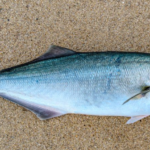
Quick Top 10 Facts about Blue Shark
| SCIENTIFIC NAME | Prionace glauca |
| CLASSIFICATION | KINGDOM: Animalia CLASS: Chondrichthyes ORDER: Carcharhiniformes FAMILY: Carcharhinidae PHYLUM: Chordata GENUS: Prionace |
| SIZE | Typically 10–12 feet (3–3.5 meters); can grow up to 13 feet (4 meters) |
| HABITAT | Open ocean, particularly in deep waters of temperate and tropical seas |
| DIET | Carnivorous – primarily fish, squid, and occasionally small marine mammals |
| SPECIES | Blue Shark (Prionace glauca) |
| COUNTRY | Found worldwide in temperate and tropical ocean waters |
| GESTATION PERIOD | 9–12 months, with a varying number of pups depending on environmental factors |
| LIFE SPAN | Up to 20 years in the wild |
| CONSERVATION STATUS | Near Threatened – populations are impacted by overfishing and bycatch in commercial fisheries |
Amazing Facts About Blue Shark
1. Blue sharks are known for their long, slender bodies
They have a streamlined shape, ideal for travelling long distances in open water.
2. They’re excellent swimmers
Blue sharks can swim at speeds of up to 20 miles per hour (32 km/h) and cover vast distances in search of food.
3. Blue sharks can travel long distances
They are highly migratory and often travel across entire oceans, sometimes reaching thousands of miles.
4. They are not aggressive toward humans
Despite their fearsome appearance, blue sharks are generally not dangerous to humans unless provoked.
5. Blue sharks have a varied diet
They primarily feed on fish and squid but will also eat small marine mammals when available.
6. They have a keen sense of smell
Blue sharks can detect blood and other chemicals in the water from miles away, helping them locate prey.
7. Their skin is blue-gray
True to their name, blue sharks have a distinctive blue-grey colour on their backs, which helps them blend in with the ocean depths.
8. Blue sharks have unique mating behaviors
They engage in a fascinating courtship display, where the male often bites the female’s pectoral fins to show dominance.
9. They are often caught as bycatch
Blue sharks are commonly caught accidentally by commercial fisheries targeting other species, which poses a significant threat to their populations.
10. Their populations are at risk
Although not critically endangered, blue sharks are at risk due to overfishing, pollution, and bycatch in fishing nets.
Scientific name (Prionace glauca) of Blue Shark
Prionace glauca serves as the scientific name for blue sharks, remarkable creatures that inhabit oceans across the world. Their slender bodies and striking blue colouring make them easy to recognise, giving rise to their name. Blue sharks appear widely across the globe, thriving in warm and temperate waters alike.
Information on the average size and weight of blue sharks
People recognise blue sharks for their impressive size, with adult females typically growing larger than the males. These sharks may grow up to ten feet long and usually weigh between 200 and 400 pounds. However, some individuals have been recorded measuring more than twelve feet. Despite their bulk, blue sharks display an elegant swimming style and remarkable agility in the sea.
Seasonal migrations and patterns of movement
Blue sharks migrate over great distances to find food and suitable breeding grounds. Their wide-ranging diet includes squid, small fish, and even other sharks. These opportunistic feeders grab their prey using sharp teeth and strong jaws. Their ability to regulate internal temperature also helps them adapt to changing water conditions.
Instances of human encounters, both positive and negative
Blue sharks generally avoid close interaction and behave shyly around humans, posing little threat. However, commercial fisheries often catch them unintentionally as bycatch, creating serious risks for their survival. Conservationists continue to stress the importance of protecting these fascinating animals and securing their future in the wild.
Overview of the conservation status of blue sharks
Blue sharks play a vital role in maintaining marine ecosystem balance. Their large size, stunning appearance, and migratory habits continue to attract scientists and ocean enthusiasts alike. By understanding and supporting conservation efforts, we can protect these sharks and preserve the marine life that shares their waters.
Fascinating facts about blue sharks
The blue shark (Prionace glauca) lives throughout the world’s oceans and represents a distinct shark species. Found in both warm and temperate waters, it ranks among the most common sharks. Its elegant body and brilliant blue shade make it truly unique.
Blue-grey coloration and countershading adaptation
The vivid blue that covers the shark’s back and flanks inspired its name. Its belly shows a contrasting white, common in marine species. This shark features large eyes and a pointed snout set on a long, narrow body. It may grow to 12 feet and weigh around 400 pounds.
Diet and feeding habits include a variety of fish, squid, and even other sharks
Blue sharks eat eagerly and hunt efficiently. Their diet mainly includes squid, small bony fish, and marine invertebrates. They also scavenge remains and sometimes feed on whales or seals when possible.
Hunting strategies and interactions with other marine species
These sharks swim with exceptional speed and precision. Their streamlined bodies and long, slim fins help them reach 40 miles per hour. This mobility allows them to hunt with ease and navigate the open sea gracefully.
The reproductive behaviour of blue sharks, including their viviparous nature
Blue sharks reproduce through ovoviviparity, where eggs develop and hatch inside the mother. After a gestation of up to twelve months, she gives birth to live young. A single litter may include 25 to 100 pups, each measuring 1.5 to 2 feet at birth.
Overview of the conservation status of blue sharks
The International Union for Conservation of Nature currently classifies blue sharks as “near threatened”. While they are not direct targets of most fisheries, gillnet and longline operations frequently catch them by accident. In several countries, the demand for fins also threatens their numbers. Ongoing conservation work remains essential to protecting this species.
Blue shark’s solitary nature and its preference for open ocean habitats
Blue sharks generally lead solitary lives, although they occasionally form small groups. Their highly migratory habits enable them to roam far in search of food and breeding areas. Their curious behaviour often brings them near divers and boats.
Blue shark’s solitary nature and their hunting strategies
Several traits make the blue shark an excellent hunter. Its slim body helps it glide easily through the water. Sharp teeth allow it to catch and hold onto prey effectively. It also locates food from kilometres away using its exceptional sense of smell.
Key facts about blue sharks
The blue shark stands out for its speed, stunning blue colour, and hunting prowess. Despite human-related threats, conservation remains crucial. Protecting this species ensures its survival and helps maintain marine health.
FAQ (frequently asked questions) about Blue Shark
Q: What is a Blue Shark?
Ans: The Blue Shark is a species of large, slender shark found in deep waters of temperate and tropical oceans worldwide. Known for its long, graceful body and striking blue colouration, it is a pelagic shark that often swims far from shore.
Q: Where do blue sharks live?
Ans: Blue sharks are found in deep oceanic waters of both the Atlantic and Pacific Oceans, primarily in temperate and tropical regions. They migrate across vast distances and are often found in offshore waters.
Q: What do blue sharks eat?
Ans: Blue sharks are carnivorous predators and primarily feed on small fish, squid, and crustaceans. They are known to forage at night and use their sharp teeth to capture their prey.
Q: Are blue sharks dangerous to humans?
Ans: Blue sharks are not considered a major threat to humans. While they are large and powerful predators, they are generally not aggressive toward people unless provoked. There have been very few recorded attacks on humans.
Q: How do blue sharks reproduce?
Ans: Blue sharks reproduce through internal fertilisation. The female gives birth to live young, with litters typically consisting of 25 to 50 pups. The gestation period lasts about 9 to 12 months.
Q: How do blue sharks defend themselves?
Ans: Blue sharks rely on their speed and agility to escape potential threats. They are fast swimmers and often use their swift movements to evade predators or dangerous situations.
Q: How long do blue sharks live?
Ans: Blue sharks typically live between 20 and 30 years in the wild, though some individuals may live longer under favourable conditions.
Q: What are the physical characteristics of blue sharks?
Ans: Blue sharks have a sleek, slender body with a distinct blue colouration on their back and a white or pale belly. They typically grow up to 10 to 12 feet long and can weigh between 200 and 400 pounds.
Q: Do blue sharks pose a risk to marine ecosystems?
Ans: Blue sharks play an important role in marine ecosystems as apex predators, helping regulate the populations of smaller fish and marine invertebrates. Their predation helps maintain the balance of oceanic food chains.
Q: Are blue sharks endangered?
Ans: While blue sharks are not currently listed as endangered, their populations are threatened by overfishing, especially for their fins and meat. Conservation efforts are being made to protect them and reduce human impact on their populations.
#BlueShark, #SharkLovers, #SharkPhotography, #OceanLife, #MarineWildlife, #SharkConservation, #SharkWeek, #BlueSharkLove, #DeepSea, #OceanPredator, #SharkEducation, #WildlifeConservation, #UnderwaterWorld, #MarineBiology, #SharkDiving
Our sources and references about Blue Shark
1: Wikipedia – Blue Shark
2: National Geographic – Blue Shark Facts
3: Encyclopaedia Britannica – Blue Shark
4: Sharks.org – Blue Shark