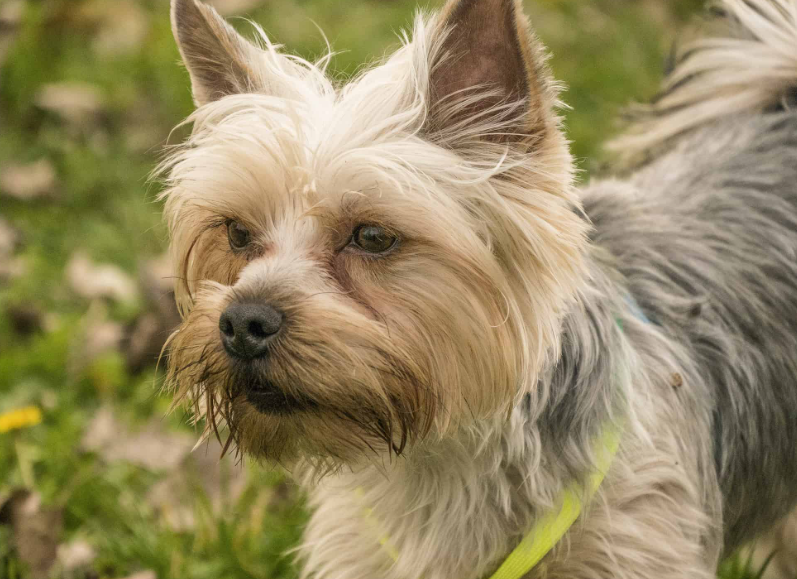
The Yoranian is a hybrid breed that results from crossing a Yorkshire Terrier with a Pomeranian. This small-sized dog inherits traits from both breeds, including a fluffy coat and a playful, affectionate personality. Yorianians are often kept as companion animals due to their loving nature and manageable size.
Quick Top 10 Facts about Yoranian
| SCIENTIFIC NAME | Canis lupus familiaris |
| CLASSIFICATION | KINGDOM: Animalia PHYLUM: Chordata CLASS: Mammalia ORDER: Carnivora FAMILY: Canidae GENUS: Canis SPECIES: C. lupus SUBSPECIES: C. l. familiaris |
| SIZE | Height: 6–12 inches (15–30 cm); Weight: 3–7 lbs (1.4–3.2 kg) |
| HABITAT | Domestic; thrives in apartments or houses with companionship |
| DIET | Omnivorous; small-breed formulated dog food with high-quality protein, fats, and nutrients |
| SPECIES | Yoranian, a hybrid breed of Yorkshire Terrier and Pomeranian |
| COUNTRY | United States (designer dog origin) |
| GESTATION PERIOD | Approximately 63 days |
| LIFE SPAN | 12–16 years |
| CONSERVATION STATUS | Not Evaluated; hybrid domestic dog breed |
Amazing Facts About Yoranians
1. A mix of charm and fluff
The Yoranian blends the energetic personality of a Yorkshire Terrier with the fluffy adorableness of a Pomeranian.
2. Known by many names
They’re also referred to as “Yorkie Pom,” “Pom Yorkie,” or even “Porkie” in some circles.
3. Small but mighty
Yoranians may be tiny, but they have big-dog energy and aren’t afraid to speak their minds.
4. Super affectionate
These pups love to cuddle and follow their humans around—they thrive on attention and love.
5. Highly intelligent
Thanks to both parent breeds, Yoranians are clever and quick learners, especially with consistent training.
6. Adaptable to apartment life
Their small size and moderate exercise needs make them excellent pets for city dwellers or small homes.
7. Watchdog instincts
Despite their size, Yoranians can be vocal and protective, alerting you to anything unusual.
8. Fluffy and fabulous coats
Their thick, luxurious fur may require regular grooming to prevent tangles and matting.
9. Social butterflies
Yoranians usually get along well with children and other pets when socialized early.
10. Long lifespan
With proper care, these little companions can live up to 16 years or more, providing a long time of love and loyalty.
Introduction to the Cute and Faithful Designer Dog, the Yoranian
The Yorkie Pomeranian combination, also referred to as the Yoranian, is a little yet endearing designer dog breed that has become quite popular in recent years. The Yorkshire Terrier and the Pomeranian, two popular toy dog breeds renowned for their unique appearances and vivacious personalities, are crossed to create this hybrid breed. The Yoranian has swiftly gained popularity among dog enthusiasts seeking a devoted companion in a little package because of its lively personality, cute looks, and loving demeanour.
To give you a thorough picture of what it’s like to own one of these adorable dogs, we’ll go into the physical traits, temperament, care requirements, training advice, and health issues of the Yoranian given below:
The Yoranian’s Physical Characteristics
The Yoranian’s adorable, compact stature and fluffy coat are among the main characteristics that contribute to its widespread popularity. With the thick, fluffy fur of the Pomeranian and the long, silky hair of the Yorkshire Terrier, the Yoranian usually combines the greatest traits of both parent breeds.
Dimensions and Mass
Being a toy breed, the Yoranian is a perfect companion for those who live in apartments or have limited living space because of its small size. This mixed-breed dog typically weighs 4 to 7 pounds and has a height of 7 to 10 inches. Despite their little size, they are strong and energetic.
Colour and Coat
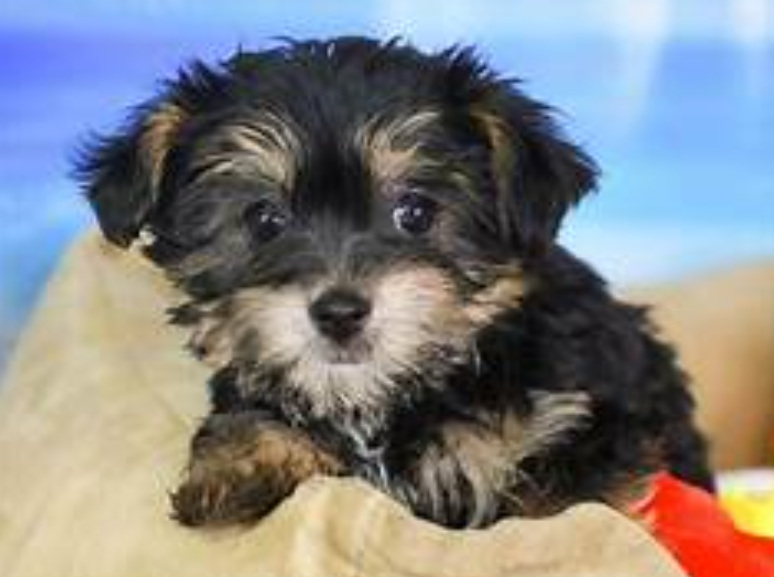
One of the most remarkable characteristics of the Yoranian is its coat. These dogs often have soft, fluffy, and thick coats that may mimic the smooth, shiny hair of a Yorkie or the plush fur of a Pomeranian. Black, brown, sable, cream, and mixes of these hues are typical coat colours for Yoranians. Because it has to be groomed often to avoid matting and tangling, the coat may be a bit high-maintenance.
Expression and Face
The traits of both parent breeds tend to mix together on the Yoranian’s face. They often have big, expressive, dark eyes that give them a charming, perceptive look. They might have somewhat droopy ears like the Yorkshire Terrier or pointed ears like the Pomeranian. Usually spherical, tiny, and covered with a thick layer of hair, the face highlights their cute, puppy-like features.
Personality and Temperament of the Yoranian
The Yoranian is renowned for being a loving, devoted, and active little dog. They have a lot of personality and a large dog mentality despite their little stature. A deeper look at the temperament of a Yoranian is provided below:
Compassionate and Faithful
The Yoranian is a devoted and affectionate friend who enjoys socialising. They like spending time with their family members and develop close relationships with their owners. Because they want to be engaged in everything that happens, these dogs often follow their owners about the house. They make wonderful lap dogs because of their loving disposition, and they are happiest when they are snuggling with their loved ones.
Vivacious and Playful
The Yoranian has a lot of energy despite its little size. These canines like exploring, playing, and doing other things. They like to run about in the garden and play games like tug-of-war and fetch. They are perfect for apartment life since, despite their activity, they don’t need as much exercise as bigger breeds. A Yoranian may often be kept happy and healthy with only a few brief walks and playtimes each day.
Vigilant and Courageous
The Yoranian’s attentiveness is one of its most notable characteristics. These dogs have a tendency to be quite perceptive to their environment and are often fast to notify their owners of any strange noises or possible intruders. Even though they are little, they have a lot of courage and will not back down from bigger dogs if they feel the need to defend their family or territory.
Needs for Socialisation
The Yoranian, like the majority of tiny breeds, may sometimes be suspicious of new people or dogs. For your Yoranian to be polite and at ease with both humans and other animals, early socialisation is essential. When socialised properly, they develop into self-assured, amiable dogs who are less prone to acting aggressively.
Grooming and Maintenance of the Yoranian
Despite their little stature, Yoranians still have some grooming requirements that must be met in order to preserve their beauty and general health.
Grooming Conditions
Regular grooming is necessary to maintain the Yoranian’s finest appearance because of its long and thick coat. Tangling and matting may be avoided by brushing their coat at least two to three times each week. To maintain your Yoranian in excellent shape, you may need to brush it every day if its coat is longer.
To make maintenance easier, some owners choose to cut their Yoranian’s coat. Frequent bathing is also advised, but it’s crucial to avoid over-bathing your dog since this may cause their skin and hair to become dry. To prevent inflammation, use a gentle dog shampoo while washing.
The Yoranian needs regular dental treatment in addition to coat upkeep. Gum disease and tartar accumulation are two dental problems that may be avoided by brushing their teeth a few times a week. Another crucial component of their grooming regimen is nail cutting.
Eye and Ear Care
Yoranian dogs may have ear wax accumulation or ocular discharge due to their hair and facial features. To keep things clean and avoid eye discomfort, wipe the area around their eyes with a soft, moist cloth on a regular basis. It’s also a good idea to gently clean their ears using an ear cleaner that has been authorised by a veterinarian and look for any indications of illness or excessive wax.
Socialisation and Training of the Yoranian
It may be enjoyable and fulfilling to train a Yoranian. As is common with many little dog breeds, they may sometimes exhibit a stubborn tendency despite their intelligence and desire to please. Your Yoranian will pick up basic orders and house rules fast if you are patient, consistent, and provide positive reinforcement.
Early Socialisation
Early socialisation is crucial to your Yoranian’s development as a well-rounded dog. Fear and hostility may be avoided by exposing children to a variety of people, animals, situations, and experiences. Your Yoranian may acquire appropriate social behaviours in the best possible setting with puppy lessons and dog playdates.
Toilet Training
Because Yoranian dogs are tiny and lively, potty training them might be a bit difficult and can sometimes result in accidents. However, most Yoranians may be successfully housebroken by the time they are 4 to 6 months old if they have regular training, good reinforcement, and a rigorous toilet routine.
Training in Obedience
Obedience training is essential for your Yoranian’s safety and well-being, just as it is for other breeds. To keep them under control, particularly in public settings or among other animals, basic commands like sit, stay, come, and heel are crucial. Because of their intelligence, many Yoranians are excellent at obedience training and appreciate engaging in agility or trick training.
Health-Related Issues in the Yoranian
The Yoranian may inherit health problems from either parent breed, as is the case with all hybrids. Despite their usually good health, it’s crucial to be mindful of the following possible health issues:
Typical Health Problems in Yoranians
- Dental Problems: Dental problems, including gum disease and tooth decay, are common in small breeds like the Yoranian. Frequent dental examinations and brushing might help avoid these issues.
- Patellar Luxation: Common in tiny dogs, this ailment affects the kneecap and may result in pain or lameness. Patellar luxation may be prevented by maintaining a healthy weight.
- Low Blood Sugar: Yoranians, particularly pups, may have low blood sugar because of their small stature. To maintain consistent energy levels, feed them little, frequent meals.
- Respiratory Problems: Dogs with short noses may be susceptible to brachycephalic syndrome, a respiratory condition that may be inherited from the Pomeranian parent breed. Avoid vigorous exertion in hot temperatures and keep your Yoranian in a well-ventilated environment.

Duration of Life of the Yoranian
As is common for tiny dog breeds, Yorkies typically live between 12 and 16 years. Your Yoranian may have a long, healthy life if you give them the right care, balanced food, and frequent veterinarian examinations.
FAQ (Frequently Asked Questions) about Yoranian Dog
Q: What is a Yoranian Dog?
Ans: The Yoranian is a small hybrid dog breed that results from crossing a Yorkshire Terrier with a Pomeranian. This designer breed combines the playful, energetic nature of the Yorkie with the fluffy, feisty personality of the Pomeranian, making them an affectionate and lively companion.
Q: Where does the Yoranian Dog come from?
Ans: The Yoranian, like many designer breeds, was created in the United States in recent decades. Its origins are rooted in the desire to combine the small size and personality of the Yorkshire Terrier with the fluffy coat and vivacious nature of the Pomeranian.
Q: What do Yoranian Dogs eat?
Ans: Yoranian dogs require a well-balanced diet formulated for small-breed dogs. High-quality dry kibble or wet food that provides protein, healthy fats, and vitamins is ideal. Given their small size, portion control is important to prevent overfeeding and obesity.
Q: How big do Yoranian Dogs get?
Ans: Yoranian dogs are small, typically weighing between 4 to 8 pounds (1.8 to 3.6 kg) and standing about 7 to 10 inches (18 to 25 cm) tall at the shoulder. They are a toy-sized breed, making them perfect for apartment living or smaller homes.
Q: Are Yoranian Dogs aggressive?
Ans: Yoranian dogs are generally not aggressive. They are playful, friendly, and affectionate with their family members. However, like any small dog breed, they can sometimes display a bit of “small dog syndrome,” which may lead to barking or nipping if not properly socialized or trained.
Q: How do Yoranian Dogs behave?
Ans: Yoranian dogs are lively, alert, and affectionate. They are known for being loyal to their owners and enjoy spending time with them. They thrive on attention and can be quite vocal, alerting their owners to any potential visitors or changes in their environment.
Q: What does a Yoranian Dog look like?
Ans: Yoranian dogs often have a fluffy coat that combines the silky texture of the Yorkie’s fur with the pom-pom-like appearance of the Pomeranian’s coat. Their coat colors can include tan, black, cream, or orange. They have an expressive face with dark eyes, and their ears are typically upright like those of a Pomeranian.
Q: How long do Yoranian Dogs live?
Ans: Yoranian dogs generally live for 12 to 15 years. Their lifespan can be influenced by factors like genetics, diet, exercise, and overall health care. With proper care, they can be healthy and happy throughout their lives.
Q: Can you keep a Yoranian Dog as a pet?
Ans: Yes, Yoranian dogs make excellent pets, particularly for people living in apartments or smaller homes. They are well-suited to indoor living and enjoy companionship with their family members. They are also great with children when properly socialized.
Q: Are Yoranian Dogs hypoallergenic?
Ans: While no dog is 100% hypoallergenic, Yoranian dogs are considered low-shedding, which can make them a better choice for people with mild dog allergies. Regular grooming and coat maintenance can help reduce allergens.
#Yoranian, #DesignerDogs, #YorkiePomeranianMix, #ToyBreed, #SmallDog, #CuteDogs, #DogLovers, #HybridDogs, #PomeranianMix, #YorkieMix
Our sources and references about Yoranian Dog
1: Dog Breed Info – Yoranian
2: PetGuide – Yoranian
3: WagWalking – Yoranian
4: AKC – Pomeranian