Sea bass are a popular group of fish found in both saltwater and freshwater environments. Known for their strong, muscular bodies and delicious taste, sea bass are highly sought after by anglers and chefs alike. They are predatory fish, often preying on smaller fish and invertebrates. Sea bass are also important to marine ecosystems, serving as both predator and prey in the food chain. While some species of sea bass are commercially fished, others are under threat due to overfishing and habitat degradation.
Quick Top 10 Facts about Sea Bass
| SCIENTIFIC NAME | Dicentrarchus labrax (European Sea Bass), Morone saxatilis (Striped Bass) |
| CLASSIFICATION | KINGDOM: Animalia PHYLUM: Chordata CLASS: Actinopterygii ORDER: Perciformes FAMILY: Moronidae |
| SIZE | Length: 50–100 cm (20–40 inches), depending on species and environment |
| SPECIES | European Sea Bass (Dicentrarchus labrax), Striped Bass (Morone saxatilis), and other regional species |
| APPEARANCE | Sea bass typically have long, streamlined bodies with a silvery or greenish tint on their backs and pale undersides. They have sharp, spiny dorsal fins and are often marked by a darker stripe running along their sides. |
| LIFE SPAN | Typically 10–15 years, depending on species and environmental factors |
| HABITAT | Coastal waters, estuaries, and freshwater rivers; they can be found in both temperate and subtropical regions |
| DIET | Primarily small fish, crustaceans, and other invertebrates. They are opportunistic predators, feeding on whatever prey is available. |
| NATURAL PREDATORS | Larger fish, seabirds, and marine mammals may prey on juvenile sea bass. Adult sea bass, however, have few natural predators. |
| COUNTRY | Found in the coastal waters of Europe, the Mediterranean, the United States, and parts of North America |
| GESTATION PERIOD | Sea bass do not have a gestation period as they are oviparous, with females laying eggs that are fertilized externally by males during spawning. |
| CONSERVATION STATUS | Some species, such as the European Sea Bass, are considered vulnerable due to overfishing and habitat destruction. Conservation efforts are in place to manage fisheries and protect spawning areas. |
Amazing Facts About Sea Bass
1. Powerful Swimmers
Sea bass are strong swimmers, using their muscular bodies to propel through the water with speed and agility. This makes them excellent hunters and evasive predators.
2. Versatile Diet
Sea bass are opportunistic feeders, preying on a wide variety of creatures, including small fish, crustaceans, and other invertebrates. Their diet can vary depending on their environment.
3. Important in Aquaculture
Due to their popularity as a food fish, sea bass are often farmed in aquaculture operations. This helps meet the demand for their delicious, firm white meat.
4. Diverse Habitat Preferences
Sea bass can be found in a variety of habitats, from shallow coastal waters and estuaries to freshwater rivers. They are highly adaptable, allowing them to thrive in both saltwater and brackish environments.
5. Strong Commercial Value
Sea bass, particularly the European Sea Bass, are highly valued commercially for their meat, which is considered a delicacy. This has led to overfishing concerns in some regions.
6. Spawning Behavior
During spawning season, sea bass gather in large schools to reproduce. Females lay their eggs in deeper waters, where they are fertilized externally by the males.
7. Sensitive to Water Quality
As coastal and estuarine species, sea bass are highly sensitive to changes in water quality, such as pollution and temperature fluctuations. This makes them indicators of marine ecosystem health.
8. Migratory Patterns
Certain species of sea bass, like the Striped Bass, are known to be migratory. They move between freshwater and saltwater environments for breeding purposes.
9. Longevity
Sea bass can live up to 15 years in the wild, though their lifespan is often shorter due to fishing pressures and environmental factors.
10. Rich in Omega-3
Sea bass are an excellent source of omega-3 fatty acids, which are beneficial for human health. Their meat is lean, high in protein, and low in fat, making it a healthy choice for seafood lovers.
A Common and Adaptable Fish in Marine Environments: Sea Bass
A large number of fish species found in temperate and tropical waters are sea bass, which are members of the Serranidae family. Sea bass are among the most sought-after fish in the fishing and culinary worlds due to their flavourful meat, adaptability in the kitchen, and attractiveness for sport. The several species of sea bass will be discussed in this article along with their habitat, morphological traits, eating patterns, methods of reproduction, and ecological significance.
1. What Is a Sea Bass?
Definition and Classification of Sea Bass
The word “sea bass” refers to a variety of saltwater fish species that are mostly members of the Serranidae family, which also includes grouper and sea bass species. The genera Centropristis (black sea bass) and Dicentrarchus (European sea bass) are often home to the most well-known sea bass species. These fish may be found in coastal areas all over the globe, and both commercial and recreational fishermen find them attractive because to their size, form, and flavour.
Ecological Role of Sea Bass
Despite their diversity, sea bass all play similar ecological tasks and contribute to the balance and well-being of their maritime environments.
2. Key Sea Bass Species
Popular Types of Sea Bass Around the World
Oceans and seas across the globe are home to a variety of sea bass species, some of the most well-known of which are:
European Sea Bass (Labrax, Dicentrarchus)
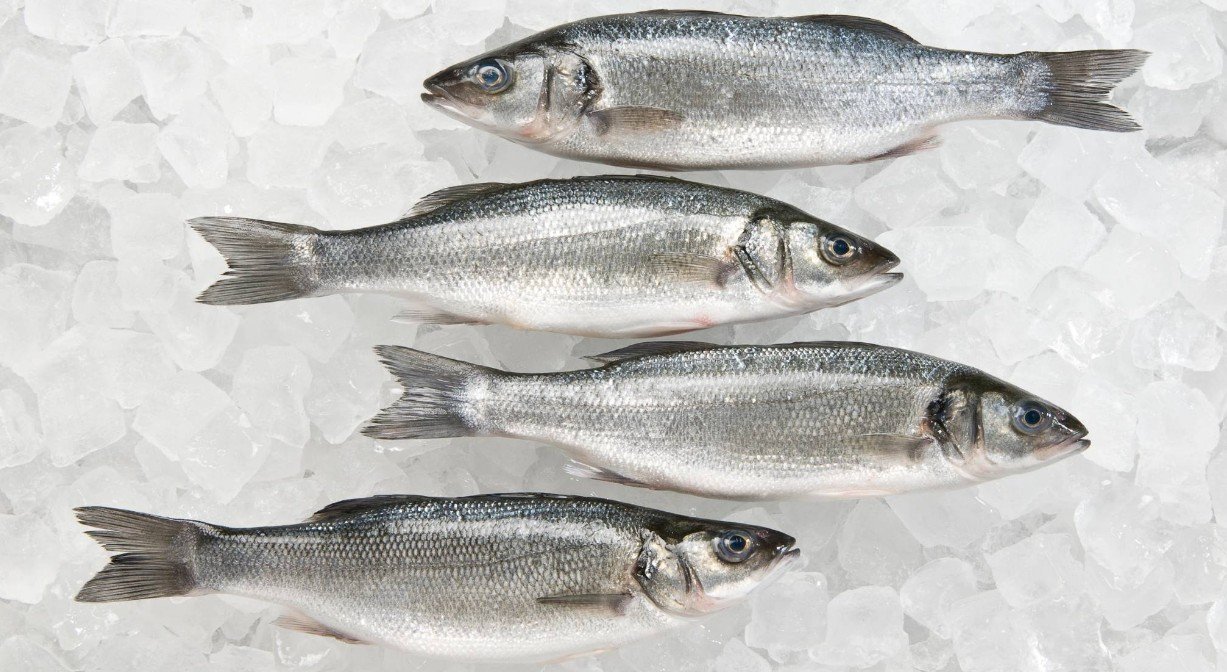
In the sea bass family, the European sea bass is perhaps the most well-known species. The Mediterranean Sea and Black Sea are part of the Eastern North Atlantic Ocean, which is where this fish is mostly found. It is usually silver with a white belly and black lateral stripes down its flanks. Its body is elongated and narrow.
Because of their high market value, European sea bass are often raised for the commercial fish sector. Particularly in nations like France, Spain, and Italy, they constitute a significant species in European cuisine.
Black Sea Bass (Centropristis striata)
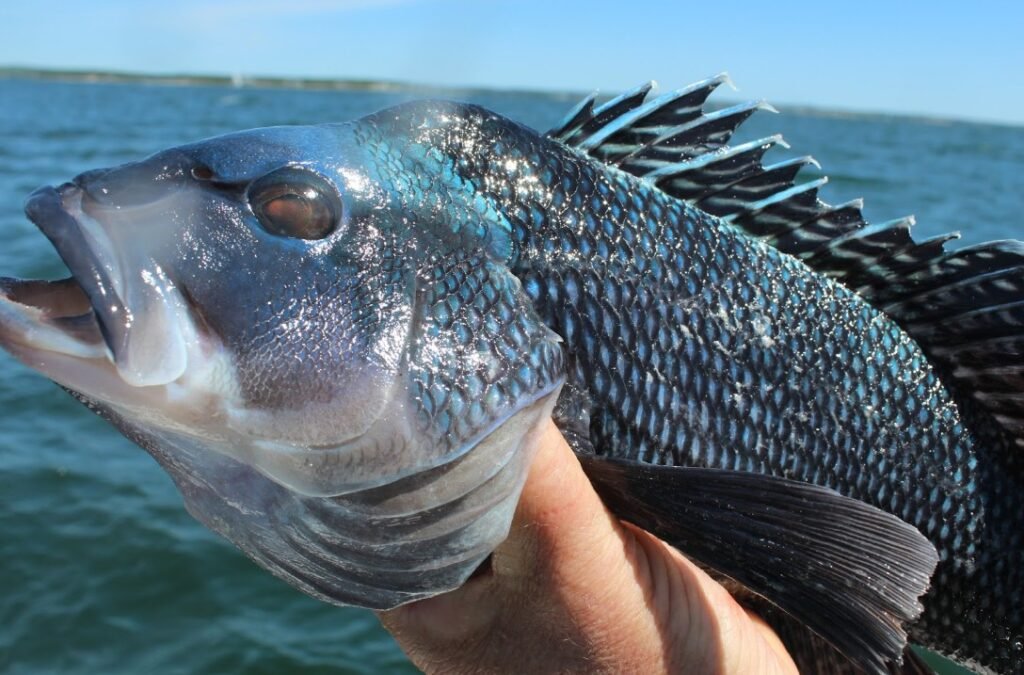
The black sea bass, which may be found around the US East Coast, is prized by both commercial and recreational anglers. These fish are sturdy and dark-coloured, with black stripes running vertically across their bodies. Despite being smaller than their European cousins, they are renowned for having soft, flavourful meat.
Although they may move further south during the winter months, black sea bass are found in temperate areas throughout the Atlantic coast, usually from Maine to Florida.
Striped Bass (Morone saxatilis)
The striped bass, a species indigenous to North America, is distinguished by its characteristic horizontal stripes. Between Florida to the Gulf of St. Lawrence, it is often observed along the US East Coast.
Striped bass belong to the larger bass family even though they are often classified differently from regular sea bass. It has gained broad notoriety as a result of its appeal as a sport fish.
Chilean Sea Bass (Patagonotothen scotti)
Contrary to its name, Chilean sea bass are really a kind of toothfish that lives in the Southern Ocean, close to the Antarctic Peninsula. Because of their rich texture and mild flavour, these fish are in great demand. Conservation initiatives have been started to control fishing methods since overfishing has raised serious concerns about the sustainability of Chilean sea bass.
Although this species has become a symbol of luxury cuisine, it should be obtained responsibly to avoid further harming the marine ecosystem.
3. The Physical Attributes of Sea Bass
Adaptations That Help Sea Bass Thrive
A variety of traits enable sea bass to flourish in their natural habitats. Some of the most important physical characteristics of sea bass species are listed below:
Size and Shape of the Body
- Streamlined Bodies: Sea bass can swim quickly through the water because of their usually streamlined, torpedo-like bodies. They can hunt down smaller fish and invertebrates because to their morphology, which makes them efficient predators.
- Size: Depending on the species, sea bass may range in size. For example, black sea bass usually develop to a length of around 50 cm (1.6 ft), whereas European sea bass may grow up to 1 metre (3.3 feet). Nonetheless, certain species, such as the Chilean sea bass, may grow to notable lengths of more than 2 meters (6.6 feet).
- Colouration: Although sea bass’s colour varies per species, most have a silver to grayish-blue tint, however others have black vertical stripes or spots. Within shallow coastal waters, this colouring aids with concealment.
Gills and Fins
- Sea bass can swim well in open water and close to the shore because of their well-developed pectoral fins, which help them move about in the water. They are stable while swimming because to their very huge dorsal fin.
- They can survive in a range of aquatic conditions because of their gill coverings, or opercula, which effectively draw oxygen from the water.
4. Sea Bass Habitat and Distribution
Where Sea Bass Live Around the World
With many species found in various locations, sea bass are found all around the world.
Coastal Waters and Marine Zones
- Because they may find plenty of food and shelter along the shore, sea bass species like these areas. Because they can conceal themselves from bigger predators, they are usually found on rocky reefs or in shallow seas close to the continental shelf.
- Although certain species, like the Chilean sea bass, are found in deeper, colder waters, sea bass typically inhabit habitats that are 30 meters (100 feet) or less deep.
Tropical and Temperate Regions
- Some species, like the black sea bass, flourish in somewhat warmer Atlantic coastal waters, while others, like the European sea bass, are found in temperate regions.
- A species that has adapted to the chilly waters of the Southern Ocean, including the sub-Antarctic areas, is the Chilean sea bass.
5. Nutrition and Feeding Practices
What Sea Bass Eat in the Wild
As carnivores, sea bass consume a broad range of smaller fish, crabs, and invertebrates. Depending on the species and their area, they may have different hunting techniques and diets.
Nutrition and Diet Composition
- Fish: As opportunistic hunters, sea bass often consume smaller fish, including sardines, anchovies, and herring.
- Invertebrates: They may also feed on marine worms, molluscs, and crustaceans (such as prawns and crabs).
Hunting and Feeding Behaviour
- Hunting Style: A lot of sea bass species hunt by using their quickness and agility. They usually use ambush strategies, waiting for the ideal opportunity to attack.
- Feeding Patterns: Because they are nocturnal feeders, sea bass often hunt at night or in dimly lit areas. To evade predators during the day, they may hide in caverns and cracks or seek refuge in deeper waters.
6. Lifespan and Reproduction
How Sea Bass Reproduce and Grow
Some species of sea bass are prolific spawners, which makes their reproductive tactics intriguing.
Spawning Process
- Because sea bass are oviparous, their eggs develop outside of their bodies. Sea bass congregate in big groups to discharge their sperm and eggs into the water column during the spawning season. When the sperm fertilises the eggs, external fertilisation takes place.
- Spawning Seasons: Depending on the species and the area, different species may spawn at different times of the year. Some species spawn in the spring or the fall.
Average Lifespan of Sea Bass
Many species of sea bass may live up to 10 to 15 years, which is a moderate lifetime. However, human actions like overfishing or predation may limit their longevity.
7. Sea Bass’s Role in the Environment
Ecological Importance of Sea Bass
As both predators and prey, sea bass play a significant role in marine ecosystems.
Sea Bass as Predators
- By regulating the numbers of lesser fish and invertebrates, sea bass, being apex predators, contribute to the equilibrium of regional food webs. They prevent overpopulation and resource depletion in prey populations.
Sea Bass as Prey
- Sharks, seals, and bigger fish species are among the many larger marine predators that feed on sea bass. They are thus a crucial component of the food chain.
Fisheries and Human Interaction
The flesh of sea bass, which is highly valued for its firm texture and exquisite flavour, is the reason they are widely fished. Both recreational fishing and commercial fisheries are used to capture them.
Concerns over sustainability have arisen due to overfishing of certain species, including the Chilean sea bass, and worldwide efforts have been made to control fishing methods in order to preserve these species.
FAQ (Frequently Asked Questions) about Sea Bass
Q: What is a Sea Bass?
Ans: Sea bass are a group of predatory fish known for their elongated bodies and strong, muscular build. They are found in both saltwater and freshwater environments and are prized for their meat.
Q: What do Sea Bass eat?
Ans: Sea bass are opportunistic predators that primarily feed on small fish, crustaceans, and other invertebrates. They will eat whatever prey is available in their habitat.
Q: Where are Sea Bass found?
Ans: Sea bass can be found in coastal waters, estuaries, and freshwater rivers. They are found in parts of Europe, the Mediterranean, the United States, and North America.
Q: How long do Sea Bass live?
Ans: Sea bass can live up to 15 years, depending on species and environmental conditions, though they are often caught much earlier due to fishing pressures.
Q: Are Sea Bass endangered?
Ans: Some species, like the European Sea Bass, are considered vulnerable due to overfishing and habitat destruction. Conservation efforts are in place to protect these species.
Q: How do Sea Bass reproduce?
Ans: Sea bass are oviparous, meaning females lay eggs that are fertilized externally by the males during spawning. This usually occurs in deeper waters.
Q: How fast do Sea Bass swim?
Ans: Sea bass are strong and fast swimmers, using their muscular bodies to move efficiently through the water in search of food and to escape predators.
Q: What is the best habitat for Sea Bass?
Ans: Sea bass thrive in coastal waters, estuaries, and freshwater rivers, where they can find an abundance of prey and suitable breeding grounds.
Q: What is the commercial value of Sea Bass?
Ans: Sea bass, particularly the European Sea Bass, are highly valued for their tender, white flesh, making them a sought-after fish in the commercial seafood industry.
Q: How do Sea Bass defend themselves?
Ans: While sea bass rely on their strength and agility to escape predators, they also use their sharp spiny fins as a defense mechanism against larger predators.
#SeaBass #Seafood #Fishing #MarineLife #FishFacts #OceanCreatures #SeaBassFishing #Aquaculture
Our sources and references about Sea Bass
1: Wikipedia – Sea Bass
2: NOAA – Striped Bass
3: Britannica – Sea Bass
4: FishWatch – Striped Bass