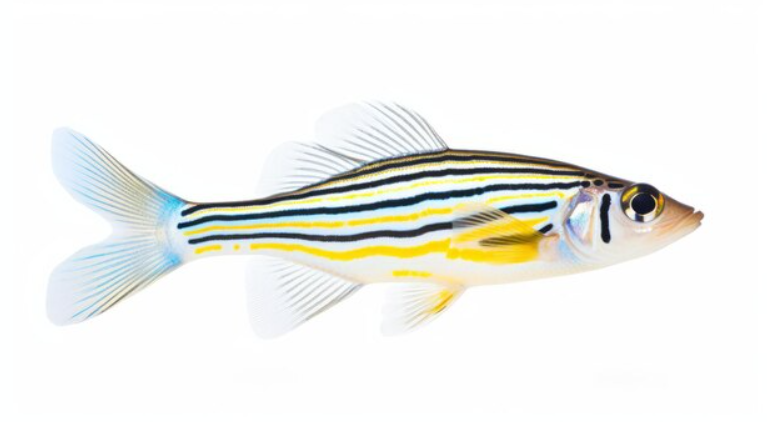
Quick Top 10 Facts about Zebrafish
| SCIENTIFIC NAME | Danio rerio |
| CLASSIFICATION | KINGDOM: Animalia PHYLUM: Chordata CLASS: Actinopterygii ORDER: Cypriniformes FAMILY: Cyprinidae GENUS: Danio SPECIES: D. rerio |
| SIZE | Length: 1.5–2.5 inches (4–6 cm) |
| HABITAT | Native to freshwater streams and rivers in South Asia, particularly in India, Bangladesh, and Nepal |
| DIET | Omnivorous; eats small crustaceans, algae, and plankton in the wild, and commercial fish food in captivity |
| SPECIES | Small freshwater fish known for their distinctive horizontal stripes, commonly used in scientific research due to their genetic similarity to humans |
| COUNTRY | Native to South Asia, now widespread in laboratories around the world for research purposes |
| GESTATION PERIOD | Zebrafish are egg-layers; fertilization occurs externally, and eggs hatch within 2–3 days |
| LIFE SPAN | 3–5 years in captivity |
| CONSERVATION STATUS | Not endangered; Zebrafish are not considered at risk, but their natural habitats are threatened by human activity |
Amazing Facts About Zebrafish
1. Widely used in scientific research
Zebrafish are one of the most commonly used organisms in genetic research and biomedical studies due to their genetic similarity to humans and their transparent embryos.
2. Transparent embryos
Zebrafish embryos are transparent, making them ideal for observing the development of organs and tissues in real-time under a microscope.
3. Distinctive stripes
Zebrafish are known for their horizontal blue and silver stripes, which are a defining feature of their appearance.
4. Quick growth rate
Zebrafish develop rapidly, reaching sexual maturity in just 2–3 months, which makes them ideal for studying genetic traits across generations.
5. Excellent swimmers
Zebrafish are strong swimmers, and they often move in schools, following each other closely in the wild.
6. Used in drug testing
Because of their genetic similarity to humans, Zebrafish are used to test the effects of various drugs and chemicals on the body.
7. Natural habitat in freshwater
Zebrafish are typically found in clear, slow-moving freshwater streams and rivers in South Asia, where they are accustomed to warm water temperatures.
8. Hardy fish
Zebrafish are known for their resilience and ability to thrive in various water conditions, which makes them popular in home aquariums as well.
9. High reproduction rate
Zebrafish lay hundreds of eggs at a time, which hatch in just a couple of days. Their high reproductive rate makes them a good model for studying embryonic development.
10. Contribute to environmental monitoring
Because they are sensitive to environmental changes, Zebrafish can be used in ecological studies to assess water quality and pollution.
Zebrafish (Danio rerio): An Enchanting Aquarium Fish with Unique Features
The zebrafish (Danio rerio), commonly called the zebrafish, is a small and vibrant freshwater species native to the waters of South Asia. Renowned for its characteristic black-and-white striped pattern, the zebrafish has earned a spot as a top choice among aquarium hobbyists, biologists, and researchers alike. Its reputation for being robust, low maintenance, and highly adaptable makes it an ideal species for both beginners and seasoned aquarists.
The zebrafish is not only a favourite for home aquariums but also a significant player in the realm of scientific studies. Its striking appearance, peaceful demeanour, and ease of care make it a prime option for novice fishkeepers. Beyond its popularity in aquariums, zebrafish have played an instrumental role in advancing research in genetics and medicine, acting as a vital model organism in the study of human biology and diseases. Whether you’re keeping them for pleasure or studying them in a lab, zebrafish offer both educational value and enjoyment.
Yet, zebrafish are more than just a colourful aquarium specimen. Over the years, they have gained considerable recognition in the scientific community due to their pivotal role in genetic research and their utility as a model organism in studies related to human health and disease.
Physical Features of the Zebrafish
Zebrafish are small, streamlined creatures with distinct physical traits that make them easy to recognise:
Size: Adult zebrafish generally reach lengths between 1.5 to 2 inches (3.8 to 5 cm). Despite their petite size, they are energetic swimmers and can often be seen darting swiftly in schools.
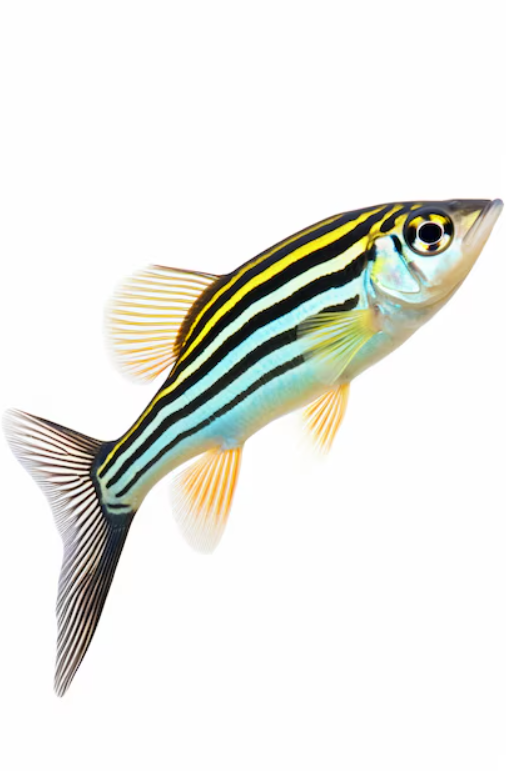
Colouration: One of the most distinguishing aspects of zebrafish is their horizontal black-and-white stripes that stretch from the head to the tail. These alternating dark and light bands give them a zebra-like appearance. While the primary purpose of this pattern is camouflage, it also adds to the visual appeal of the fish in home aquariums. Additionally, selective breeding has produced zebrafish in various colour morphs, such as gold, blue, and green.
Body Shape: Zebrafish exhibit a torpedo-shaped body that is built for speed and efficiency in swimming. Their body tapers at both ends, and they have a small, rounded head with large eyes that are easy to spot. The fins are translucent, and the tail fin is forked, helping them navigate the water with precision and agility.
Lifespan: On average, zebrafish live for 2 to 3 years in captivity, though some individuals may live a little longer if given optimal care. This relatively brief lifespan makes them a good choice for those looking to observe the entire lifecycle of a fish.
Native Habitat and Distribution of Zebrafish
Zebrafish are indigenous to South Asia, specifically in countries such as India, Bangladesh, Nepal, and parts of Pakistan. In the wild, they are commonly found in shallow, slow-moving bodies of water, including streams, ponds, rivers, and lakes. These habitats are typically rich in aquatic plants, which offer shelter from predators and provide a plentiful food source for the zebrafish.
The waters in which zebrafish thrive are generally warm, with temperatures ranging between 64°F and 75°F (18°C to 24°C). They also flourish in water with a slightly alkaline pH level, between 6.5 and 7.5. Zebrafish are more inclined to live in calmer waters with low flow, as they prefer well-oxygenated environments with soft to medium hardness levels.
Thanks to their adaptability, zebrafish have been introduced to various regions across the globe, particularly in aquariums, research laboratories, and breeding centres. Their widespread appeal has made them one of the most popular species kept in home aquariums.
Behavior and Social Interactions of Zebrafish
Zebrafish are known for their energetic and social behaviour, making them an entertaining addition to any aquarium setup. Below are some key aspects of their behaviour:
Schooling Behaviour: As natural schooling fish, zebrafish thrive in groups and feel safer when surrounded by others. In the wild, schools help protect them from predators, and in aquariums, they often swim in coordinated groups, darting through the water in unison. Keeping a group of at least 5 to 6 zebrafish will help them feel secure and reduce stress levels.
Peaceful Nature: Zebrafish are generally calm and non-aggressive toward other species, which makes them ideal tank mates for a variety of community fish. However, like many other fish, they may display minor territorial behaviour if the tank is overcrowded. It is best to avoid housing them with overly aggressive species that may cause stress or harm.
Active During the Day: Zebrafish are diurnal creatures, meaning they are active during daylight hours and rest at night. They enjoy swimming energetically, exploring their surroundings, foraging for food, and interacting with others in their group.
Curiosity and Intelligence: Zebrafish are known for their inquisitive nature and intelligence. They are often seen investigating plants, decorations, and the tank’s substrate. Studies have also shown that they can learn and retain tasks, such as navigating mazes, making them fascinating to observe.
Zebrafish Diet and Feeding Preferences
Pellets and Flakes: High-quality pellets and flakes designed for small fish form the core of the zebrafish diet. These specially formulated foods provide a balanced mix of protein, fats, vitamins, and minerals to promote overall health and growth.
Live and Frozen Food: Zebrafish benefit from occasional offerings of live or frozen foods, such as brine shrimp, bloodworms, daphnia, and microworms. These high-protein options aid in healthy growth, reproduction, and vibrancy.
Vegetable Matter: Zebrafish also enjoy plant-based foods. Blanched vegetables, including zucchini, spinach, and lettuce, can be provided as a supplement to their diet. They may also graze on algae or other plant matter present in the tank.
Feeding Schedule: Young zebrafish should be fed 2 to 3 times a day, while adults can be fed once or twice daily. It’s important not to overfeed them, as excess food can pollute the water. Any uneaten food should be promptly removed to prevent water quality issues.
Zebrafish Care Considerations in Captivity
Zebrafish are known for their ease of care, making them a great choice for beginners. However, they do require specific conditions to thrive. Here’s a list of their essential care needs:
Tank Size: A tank size of at least 10 to 20 gallons is recommended for zebrafish, depending on the number of fish. A larger tank will provide ample space for swimming and maintain better water quality. As schooling fish, zebrafish do best when housed in groups.
Water Parameters: Zebrafish prefer slightly alkaline water with a pH between 6.5 and 7.5 and temperatures between 64°F and 75°F (18°C to 24°C). A gentle filter is essential for keeping the water clean and oxygenated, but the flow should not be too strong.
Substrate and Tank Decor: Zebrafish do not have specific substrate requirements, but smooth gravel or sand works well. Adding plants, decorations, and hiding spots to the tank will make the fish feel more secure and provide them with places to explore. Live plants also help maintain good water quality.
Water Quality: Maintaining excellent water quality is crucial for the well-being of zebrafish. Regular water changes of around 25% per week will help maintain stable conditions and remove waste. Monitoring ammonia, nitrite, and nitrate levels is important to ensure the water remains safe.
Lighting: Zebrafish prefer moderate lighting that mimics the natural day-night cycle. A 12-hour light and 12-hour dark period will help maintain their natural rhythm and ensure their health.
Tank Mates: Zebrafish are peaceful and compatible with many other species that share similar water requirements. Good tankmates include neon tetras, guppies, platies, corydoras, catfish, and shrimp. Avoid keeping them with aggressive or fin-nipping fish.
Zebrafish in Scientific Research
Beyond their popularity as aquarium fish, zebrafish have become indispensable in scientific research. Their small size, quick life cycle, and genetic similarities to humans make them ideal subjects for studies in various scientific fields:
Genetics and Development: Zebrafish have been pivotal in researching embryonic development, genetic mutations, and disease mechanisms. The sequencing of their genome has provided invaluable insights into human health, particularly in cancer, heart disease, and neurological disorders.
Drug Testing: Due to their transparent embryos, zebrafish are extensively used in drug screening and toxicity testing, allowing scientists to directly observe the effects of potential medications on living organisms.
Environmental and Toxicology Studies: Zebrafish also play a crucial role in environmental research, helping scientists examine the impact of pollutants and chemicals on aquatic ecosystems.
FAQ (Frequently Asked Questions) about Zebrafish
Q: What is a Zebrafish?
Ans: The Zebrafish (Danio rerio) is a small freshwater fish native to South Asia. They are popular in scientific research due to their small size, transparent embryos, and rapid reproduction rate. Zebrafish are also commonly kept in aquariums because of their striking appearance and peaceful nature.
Q: What do Zebrafish look like?
Ans: Zebrafish have an elongated, cylindrical body and are typically silver in color with horizontal blue or silver stripes running across their body, which resemble the pattern of a zebra. These stripes are one of their most distinctive features. They have a small mouth, a forked tail, and a streamlined body adapted for fast swimming.
Q: How big do Zebrafish grow?
Ans: Zebrafish are relatively small, with adult fish typically growing to about 1.5 to 2.5 inches (4 to 6 cm) in length. Their small size makes them ideal for aquarium life and for use in laboratory research.
Q: What do Zebrafish eat?
Ans: Zebrafish are omnivores, meaning they eat both plant and animal matter. In the wild, their diet consists of small invertebrates, algae, and zooplankton. In captivity, they are commonly fed a variety of commercial fish flakes, pellets, and live or frozen food such as brine shrimp or daphnia.
Q: Are Zebrafish easy to care for?
Ans: Yes, Zebrafish are relatively easy to care for, making them ideal for beginner aquarists. They thrive in well-maintained tanks with stable water conditions. They do well in groups and are peaceful, making them compatible with other small, non-aggressive fish. Regular water changes and proper tank filtration are important for their health.
Q: How long do Zebrafish live?
Ans: Zebrafish typically live for about 3 to 5 years, although some individuals may live longer with proper care and optimal conditions in the aquarium.
Q: Are Zebrafish good for scientific research?
Ans: Yes, Zebrafish are widely used in scientific research due to their transparent embryos, which allow researchers to study developmental processes in real-time. They are also used in studies of genetics, drug testing, and environmental effects on aquatic life. Their ability to regenerate tissues makes them a popular model organism for studying healing and regeneration.
Q: What is the lifespan of Zebrafish in an aquarium?
Ans: In an aquarium setting, Zebrafish typically live 3 to 5 years, although their lifespan can be affected by water quality, diet, and overall care. Ensuring clean water, proper tank temperature, and a balanced diet can help promote longevity.
Q: Can Zebrafish be kept with other fish?
Ans: Yes, Zebrafish are generally peaceful and can be kept with other small, non-aggressive fish in a community tank. However, it’s important to avoid keeping them with larger, aggressive fish that may harm them. They thrive in groups, so it’s a good idea to keep them in schools of at least 5 to 6 individuals for social interaction.
Q: Are Zebrafish affected by diseases?
Ans: Like any aquarium fish, Zebrafish are susceptible to certain diseases, such as fungal infections, parasites, and bacterial infections. Proper water maintenance, quarantine of new fish, and a balanced diet can help prevent the spread of disease. If a Zebrafish shows signs of illness, it is important to take action quickly to prevent the spread to other fish in the tank.
#Zebrafish, #FreshwaterFish, #AquariumFish, #Fishkeeping, #ScientificResearch, #Genetics, #LabFish, #PetFish, #SmallFish, #AquaticLife, #FishCare
Our sources and references about Zebrafish
1: Wikipedia – Zebrafish
2: NCBI – Zebrafish in Scientific Research
3: Aquarium – Zebrafish Care Guide
4: Fishkeeping World – Zebrafish Care


