Quick Top 10 Facts about Butterfly Fish
| SCIENTIFIC NAME | Chaetodon (Genus of Butterflyfish) |
| CLASSIFICATION | KINGDOM: Animalia PHYLUM: Chordata CLASS: Actinopterygii ORDER: Perciformes FAMILY: Chaetodontidae GENUS: Chaetodon |
| SIZE | Typically 3 to 8 inches (8 to 20 cm) in length, depending on species |
| HABITAT | Warm, tropical reefs in the Indo-Pacific, Atlantic, and Red Sea |
| DIET | Primarily feed on coral, small invertebrates, and algae |
| SPECIES | Over 120 species, including the Four-lined Butterflyfish and the Longfin Butterflyfish |
| COUNTRY | Found in the warm tropical oceans worldwide, primarily in the Indo-Pacific region |
| GESTATION PERIOD | Eggs are laid and fertilized externally; incubation lasts a few days before hatching |
| LIFE SPAN | Typically 5 to 10 years, depending on species and environmental conditions |
| CONSERVATION STATUS | Generally not endangered, though some species are threatened by coral reef destruction and pollution |
Amazing Facts About Butterfly Fish
1. Vibrant colors and patterns
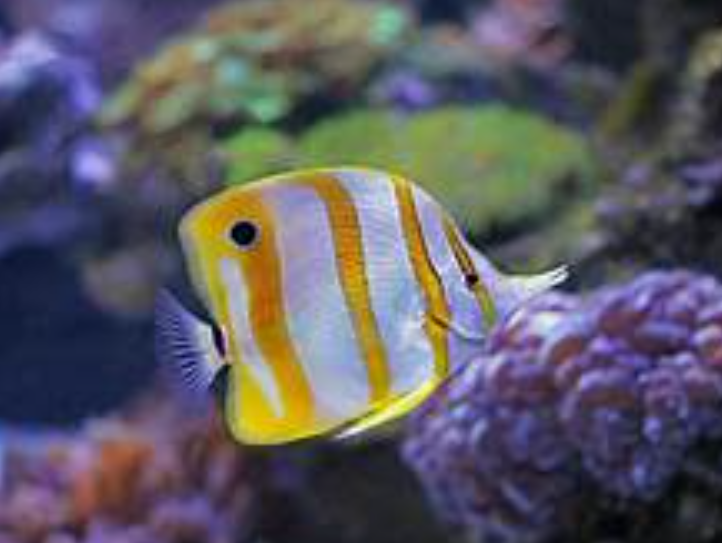
Butterflyfish are known for their striking, vibrant colors and intricate patterns, making them a popular species in marine aquariums.
2. Coral reef dwellers
Butterflyfish primarily live in coral reef ecosystems, where they feed on corals, small invertebrates, and algae.
3. Strong territorial behavior
Many butterflyfish species are territorial, defending their feeding grounds against intruders.
4. Monogamous pairs
Some species of butterflyfish are known to form strong monogamous pairs that stay together for life.
5. Important for reef health
By feeding on algae and small invertebrates, butterflyfish play an important role in maintaining the balance of coral reef ecosystems.
6. They have a small mouth and specialized teeth
Butterflyfish have a small, pointed mouth with sharp teeth that are adapted for scraping algae off coral surfaces.
7. Sensitive to water quality
Butterflyfish are highly sensitive to changes in water quality, making them an indicator species for reef health.
8. Can blend into their environment
Some butterflyfish have evolved camouflage to blend in with the coral reefs and avoid predators.
9. Capable of swimming fast
Despite their relatively small size, butterflyfish are capable of fast swimming to escape predators or to chase food.
10. Vulnerable to coral reef destruction
While they are not generally endangered, butterflyfish are vulnerable to threats such as coral reef destruction, pollution, and overfishing, which impact their habitat and food sources.
Preferred environments, such as coral reefs and rocky areas
Bright hues and unique patterns set butterfly fish out as a stunning kind of fish. This small marine fish lives worldwide in tropical and subtropical waters, particularly in the Indo-Pacific region. There are about 100 different species of butterfly fish, and although their sizes and forms vary greatly, they all have some characteristics.
Unique characteristics and appearance
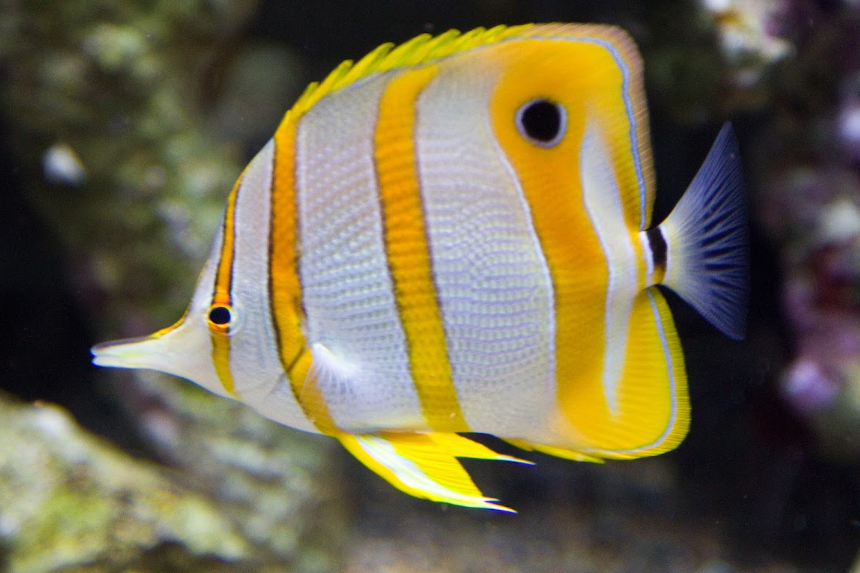
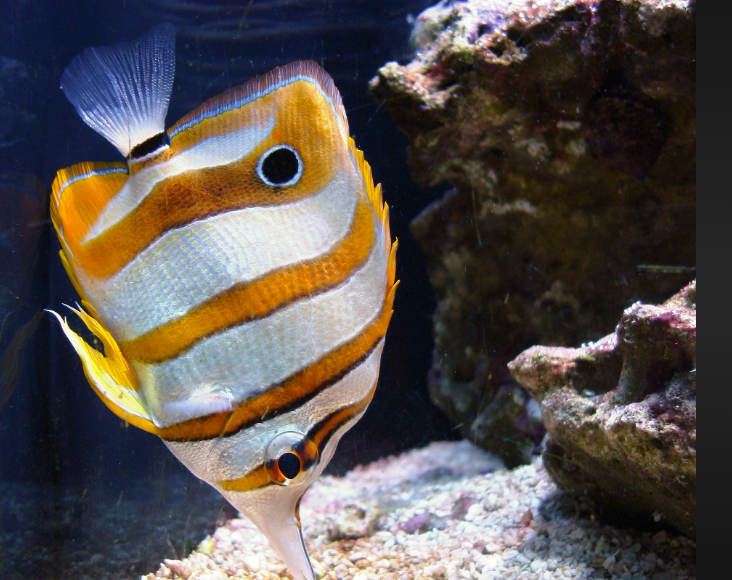
One of the most distinctive features of a butterfly fish is its amazing appearance. Their bodies are flat and fashioned like discs, with a pointed snout and a small mouth. The high position of their eyes on their skull allows them to see a wide area. They are called “butterfly fish” because of their graceful swimming style, which resembles the fluttering of butterfly wings.
Preferred environments, such as coral reefs and rocky areas
Tiny invertebrates, algae, and coral polyps are the primary food sources for butterfly fish. Due to the peculiar structure of their mouths, they can choose and chew on their food. With the help of their long, tubular snouts, some species can even reach into crevices and obtain food. The ostentatiousness of these fish is well known; they often establish monogamous couples in order to defend their assigned region from intruders.
Reproductive habits, mating rituals and parenting behaviours
A further intriguing aspect of butterfly fish is their unusual method of reproduction. They are oviparous, meaning that their eggs hatch outside of the body. Butterfly fish engage in a sophisticated courtship ritual before they spawn. After being released by the species, their eggs float in the water until they hatch into larvae. Following that, these larvae enter a pelagic phase, during which they travel with the currents of the ocean until they locate a suitable area to settle.
Threats facing Butterfly Fish and conservation efforts
Butterfly fish, while stunning, face several threats in their natural habitats. Overfishing, pollution from human activities, and habitat deterioration pose a severe danger to their populations. Conservation efforts are crucial to protecting these amazing creatures and ensuring their continued existence for the enjoyment of future generations. Butterfly fish rely on the delicate balance of marine ecosystems, which we can protect by implementing sustainable practices and raising awareness.
Fascinating facts about Butterfly fish
Throughout the globe, tropical and subtropical seas are home to a diverse array of vibrant and captivating marine animals known as butterfly fish. Butterfly fish are popular among divers and aquarium lovers because of their vivid colours and distinctive patterns.
Distinctive physical characteristics, their vibrant colours, elongated bodies, and unique patterns
Butterfly fish come in over a hundred different kinds, each with unique patterns and traits. These fish are distinguished by their lengthy bodies, elaborate patterns, and vivid colours. While many species include just one vertical stripe, others have several stripes or dots.
Defence mechanisms, including camouflage and the ability to hide within coral formations
In order to live in their aquatic habitats, butterfly fish have developed a variety of adaptations. Their ability to move between rocky fissures and coral reefs is facilitated by their thin, disk-shaped bodies, which is one of their adaptations. In order to feed on tiny invertebrates and coral polyps, they also have a tiny mouth with pointed teeth.
Social structure of butterfly fish, which often form monogamous pairs or small groups
As sociable beings, butterfly fish are often seen in couples or small groups. Together, they build deep relationships and are fierce protectors of their turf against outsiders. Certain animals even participate in complex courting customs in which the male dances to entice the female.
Habitats where butterfly fish are found, such as coral reefs, rocky areas, and lagoons
Most butterfly fish live on coral reefs, where they look for food and shelter. They are mostly found in the Indo-Pacific area, which includes the Caribbean, the Great Barrier Reef, and the Red Sea. These fish like warm, shallow environments that have plenty of hiding places and food sources.
Feeding behaviour of butterfly fish, a diet rich in coral polyps, small invertebrates, and algae
Small invertebrates, including worms, crabs, and coral polyps, make up the majority of the food specific to butterfly fish. Their large snouts are used to suck prey out of cracks and crevices. Some species consume plankton and algae as well.
Reproductive process of butterfly fish, including courtship displays and the release of eggs
Butterfly fish use external fertilisation to breed; the male fertilises the eggs after the female releases them into the water. Before landing on the ocean bottom, the larvae spend many weeks floating in the water column after hatching. They are at risk of predators and other environmental hazards during this period.
Various threats faced by butterfly fish, including habitat destruction, overfishing, and pollution
Butterfly fish are vulnerable to many challenges to their existence, much like many other marine species. The most serious concern is habitat degradation, namely the devastation of coral reefs brought on by human activity and climate change. These magnificent animals are also seriously endangered by pollution and overfishing.
Importance of conservation efforts, such as marine protected areas and sustainable fishing practices
Butterfly fish and their habitats are the subject of conservation efforts. Marine parks and reserves, along with other maritime protected areas, contribute to the preservation of these fish and other marine species. The long-term survival of butterfly fish may also be improved by increasing public knowledge of the value of coral reefs and sustainable fishing methods.
With their vivid colours, distinctive patterns, and intriguing habits, butterfly fish are amazing animals. We can better appreciate and save these exquisite aquatic animals for future generations if we are aware of these butterfly fish facts.
FAQ (Frequently Asked Questions) about Butterfly Fish
Q: What is a Butterfly Fish?
Ans: The Butterfly Fish is a type of small, colorful marine fish belonging to the family Chaetodontidae. Known for their vibrant colors and distinctive body shape, these fish are often found in coral reefs in tropical and subtropical waters. Butterfly fish are named for their butterfly-like appearance, with elongated fins and bright patterns.
Q: Where do Butterfly Fish live?
Ans: Butterfly fish are found in the warm, tropical and subtropical oceans, particularly in the Indo-Pacific region, including the Red Sea, the Great Barrier Reef, and Hawaii. They prefer to live in coral reefs where they can hide in crevices and feed on the abundant marine life.
Q: What do Butterfly Fish eat?
Ans: Butterfly fish are primarily herbivores, feeding on algae, coral polyps, and invertebrates. Some species may also consume small invertebrates and plankton. Their specialized mouths and jaws allow them to extract food from hard-to-reach places in the coral reef.
Q: Are Butterfly Fish endangered?
Ans: While many species of butterfly fish are not currently endangered, their populations are threatened by habitat destruction, coral reef degradation, and overfishing. The loss of coral reefs due to climate change and human activity can significantly impact butterfly fish populations, as they rely heavily on healthy coral ecosystems.
Q: How big do Butterfly Fish get?
Ans: Butterfly fish are generally small to medium-sized, with most species growing to between 4 to 7 inches (10 to 18 cm) in length. Some species, like the large butterflyfish, can grow up to 12 inches (30 cm) in length, but they are typically smaller.
Q: What is the lifespan of a Butterfly Fish?
Ans: Butterfly fish typically live for 5 to 10 years in the wild. However, their lifespan can be affected by factors such as habitat quality, food availability, and predation.
Q: Are Butterfly Fish good aquarium fish?
Ans: Butterfly fish can be kept in home aquariums, but they require specific conditions to thrive. They need a well-established aquarium with plenty of live rock, coral, and stable water quality. It’s important to choose species that are compatible with other tank mates and provide appropriate food sources. However, some species can be difficult to care for due to their specific dietary needs and sensitivity to changes in water quality.
Q: How do Butterfly Fish reproduce?
Ans: Butterfly fish reproduce through external fertilization, where the female releases eggs into the water, and the male releases sperm to fertilize them. This typically occurs in pairs, and the eggs hatch into larvae, which are carried away by the currents before eventually settling on the reef and developing into juvenile fish.
Q: Do Butterfly Fish have predators?
Ans: Yes, butterfly fish have natural predators, including larger fish such as groupers, snappers, and moray eels. Their bright colors and patterns help camouflage them within coral reefs, and they often use their agility and the reef’s structure to avoid predators.
Q: Can Butterfly Fish be found in aquariums?
Ans: Yes, many species of butterfly fish are kept in home aquariums, though they require specific care and conditions. They are best suited for experienced aquarium keepers who can provide a stable environment and the proper food. Keep in mind that some species may not thrive in captivity due to their delicate nature and specialized diet.
#ButterflyFish, #MarineFish, #CoralReefFish, #TropicalFish, #UnderwaterWorld, #ReefFish, #AquariumFish, #MarineLife, #TropicalAquarium, #FishLovers, #SeaCreatures, #OceanPhotography
Our sources and references about Butterfly Fish
1: Wikipedia – Butterflyfish
2: National Geographic – Butterflyfish
3: Aquarium of the Pacific – Butterflyfish
4: Smithsonian Magazine – Butterflyfish