Quick Top 10 Facts about Zebra Shark
| SCIENTIFIC NAME | Stegostoma tigrinum |
| CLASSIFICATION | KINGDOM: Animalia PHYLUM: Chordata CLASS: Chondrichthyes ORDER: Orectolobiformes FAMILY: Stegostomatidae GENUS: Stegostoma SPECIES: S. tigrinum |
| SIZE | Length: Up to 8.2 feet (2.5 meters) |
| HABITAT | Tropical coral reefs and sandy flats in the Indo-Pacific region |
| DIET | Carnivorous; feeds on mollusks, crustaceans, small bony fish, and sea snakes |
| SPECIES | A species of carpet shark known for its distinctive juvenile stripes and adult spots |
| COUNTRY | Found in coastal waters throughout the Indo-Pacific, from South Africa to Australia and Japan |
| GESTATION PERIOD | Oviparous; lays large, leathery eggs which hatch after about 4–6 months |
| LIFE SPAN | 25–30 years in the wild and captivity |
| CONSERVATION STATUS | Endangered (IUCN Red List); threatened by habitat degradation and overfishing |
Amazing Facts About Zebra Sharks
1. Juveniles have stripes, adults have spots
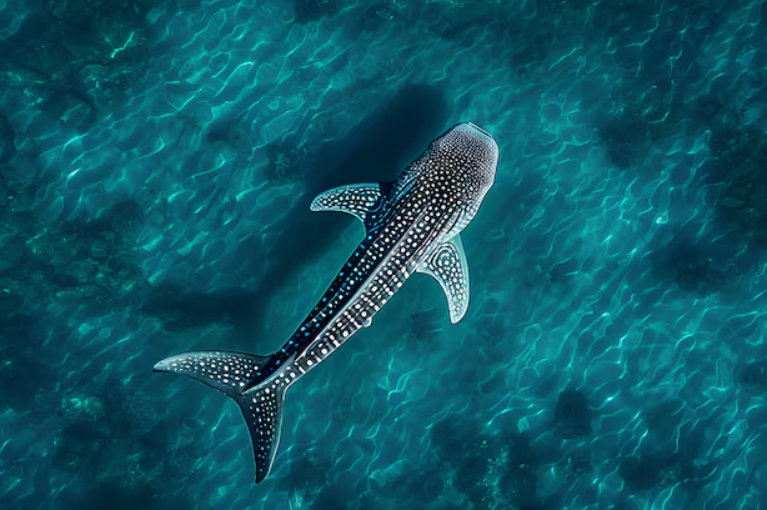
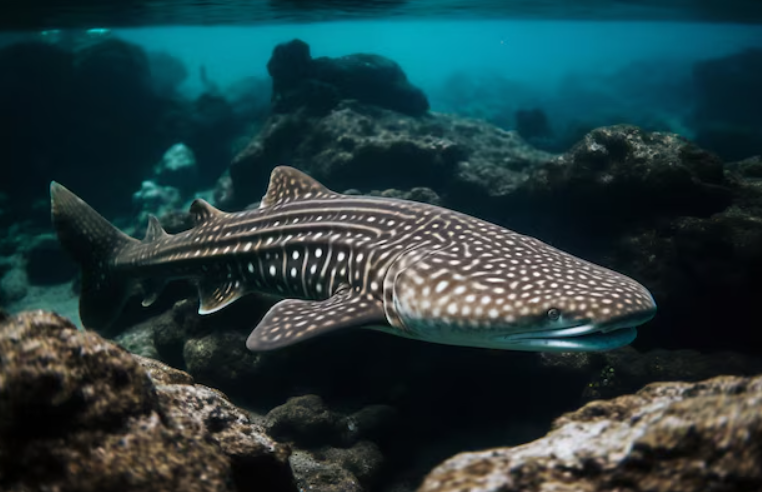
Zebra sharks are named for the striped appearance of juveniles, which changes to a spotted pattern as they mature.
2. They are carpet sharks
Zebra sharks belong to the carpet shark family, known for their flattened bodies and benthic (bottom-dwelling) habits.
3. Excellent swimmers despite small fins
They can swim with remarkable grace, using their long tails and undulating bodies.
4. Nocturnal hunters
Zebra sharks are most active at night when they hunt for mollusks, crustaceans, and small fish.
5. Known for their flexibility
Their long, slender bodies allow them to wiggle into tight crevices in coral reefs in search of prey.
6. Reproduce by laying eggs
Unlike many sharks, Zebra sharks are oviparous, meaning they lay eggs rather than giving birth to live young.
7. Can regenerate lost teeth
Like many sharks, they continuously shed and regrow their teeth throughout their life.
8. Vital to reef ecosystems
They help maintain the balance of marine ecosystems by preying on benthic invertebrates.
9. Popular in aquariums
Due to their docile nature and unique appearance, they are often featured in public aquariums.
10. Endangered and in need of protection
Zebra sharks face threats from habitat loss and overfishing, making conservation efforts critical for their survival.
Zebra Shark: A Fascinating and Elusive Marine Predator
The Zebra Shark (Stegostoma fasciatum) is an intriguing shark species that is easily identifiable by its unique striped pattern, which resembles that of a zebra. Known as the leopard shark in some areas, this species is generally gentle and thrives in the warm tropical seas. With its eye-catching appearance, captivating behaviours, and growing presence in aquariums, the zebra shark has become an area of interest for marine researchers and aquarium hobbyists alike.
What is a Zebra Shark?
The zebra shark, scientifically identified as Stegostoma fasciatum, is a member of the carpet shark family found in the Indo-Pacific region, including the Andaman Sea, Eastern Africa, and the Philippines. Although it belongs to the carpet shark group, zebra sharks are particularly noted for their elongated bodies, broad, flattened heads, and the distinctive striped or spotted pattern that becomes more pronounced as they mature.
Known for their calm nature, zebra sharks are a popular sight for divers and snorkelers. They are primarily bottom-dwelling and prefer resting on the sea floor during daylight hours while hunting for food at night.
Physical Characteristics
Zebra sharks are famous for their exceptional looks, particularly the striped design that mirrors that of a zebra. Their body features help them blend into their surroundings, especially in shallow waters where they frequent coral reefs and sandy bottoms. Below are the main physical traits of the zebra shark:
Body Shape
The zebra shark has an elongated, sleek body with a wide, flat head and relatively large pectoral fins. Its streamlined body enhances its swimming efficiency, while its fins are designed for stabilising movement in the water.
Coloration
One of the zebra shark’s most striking characteristics is its appearance. Young zebra sharks are born with prominent, dark stripes resembling those of a zebra. As they grow, their bodies transition into a pattern of smaller spots or leopard-like markings. Adult zebra sharks typically display a yellowish-brown colouration with darker spots and a mottled design that camouflages them against the ocean floor.
Size
Zebra sharks can grow to considerable sizes, with adults generally reaching lengths of 8 to 10 feet (2.5 to 3 meters). Some individuals have been known to grow as long as 12 feet (3.6 meters), making them one of the larger species within the carpet shark family.
Mouth and Teeth
Zebra sharks possess a broad, flat mouth, ideal for scavenging along the ocean floor. Their teeth are small and brush-like, specially adapted for crushing the shells of molluscs, crustaceans, and small fish, which form the bulk of their diet.
Tail and Fins
The zebra shark has a long tail and sizable pectoral fins, helping to stabilise its movements while cruising near the sea bottom. The tail fin is long and asymmetrical, with the upper lobe being longer than the lower lobe. This helps facilitate slow, deliberate swimming, which is typical of bottom-dwelling species.
Habitat and Distribution
Zebra sharks are native to tropical marine environments in the Indo-Pacific, residing mostly in coastal waters, coral reefs, and sandy bottoms. Their range spans from the Red Sea and East Africa to the Philippines, Indonesia, and parts of Australia. While typically found in shallow water, they are occasionally seen at depths of up to 100 feet (30 meters).
Zebra sharks favour warm, clear waters with temperatures ranging between 75°F and 82°F (24°C to 28°C). They are commonly associated with reef habitats and are often found near mangrove regions or seagrass beds, where they can rest during the day and hunt at night.
As a benthic species, zebra sharks spend much of their time resting on the ocean floor or hiding in coral and rocky outcrops. Their exceptional camouflage and gentle nature make them well-suited for this habitat.
Behavior and Feeding Habits
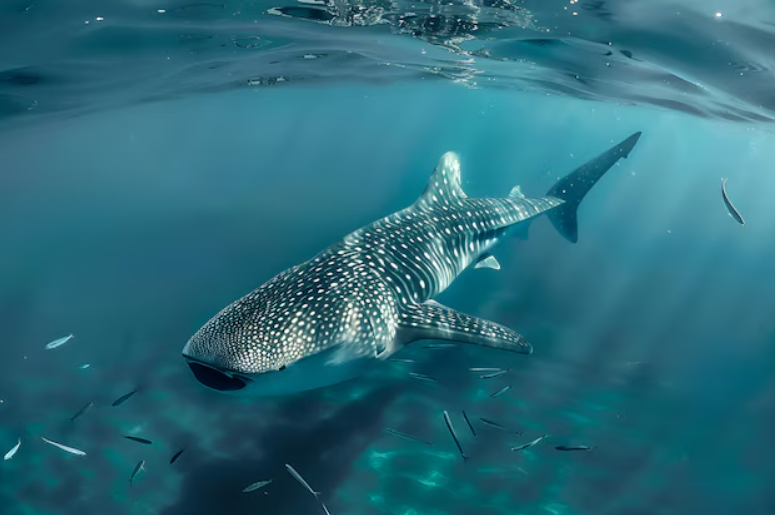
Zebra sharks are nocturnal creatures, meaning they are most active at night. During the day, they usually rest in caves, crevices, or other secluded spots on the ocean floor to avoid predators and conserve energy. When night falls, they venture out to hunt, using sensory barbels (whisker-like structures near their mouth) to detect prey hidden beneath the sand.
Diet
Being carnivorous, zebra sharks primarily consume benthic creatures living near or on the ocean floor. Their diet includes:
- Crustaceans such as crabs and shrimp
- Mollusks like clams and snails
- Small fish living near the sea bottom
With their broad, flat heads and small, brush-like teeth, zebra sharks are well-equipped to crush the hard shells of molluscs and crustaceans. They sift through sand and debris in search of prey, which might be concealed in the substrate. Their nocturnal foraging ability enables them to find food that other predators may overlook.
Reproduction and Life Cycle
Zebra sharks reproduce slowly. They are oviparous, meaning they lay eggs instead of giving live birth. Female zebra sharks produce egg cases known as “mermaid’s purses,” which are placed in safe locations like crevices or caves, where the developing embryos are protected from predators.
The incubation period for zebra shark eggs typically lasts around 3 to 4 months, depending on water temperature and environmental conditions. Once the eggs hatch, the newborn zebra sharks, known as pups, emerge fully formed but very small. The young sharks initially have dark stripes, giving them their “zebra” appearance, and as they grow, they develop the adult’s distinctive mottled pattern.
Zebra sharks mature slowly, with some taking up to 12 years to reach sexual maturity. In the wild, they typically live for 25 to 30 years, though threats like habitat destruction and overfishing could shorten their lifespans in certain regions.
Conservation Status and Threats
The zebra shark is currently categorised as Near Threatened by the International Union for Conservation of Nature (IUCN). Several factors contribute to its vulnerable status:
Habitat Destruction
Coral reefs and coastal ecosystems, essential for zebra shark survival, are severely threatened by climate change, pollution, and coastal development. The loss of these habitats makes it harder for zebra sharks to find safe places to rest, hunt, and breed.
Overfishing
Zebra sharks are sometimes targeted by commercial fisheries for their meat, fins, and skin, while others are caught unintentionally by fishing gear such as nets or longlines. Overfishing is a significant threat to zebra shark populations, especially in areas where they lack proper protection.
Aquarium Trade
Due to their striking appearance and relatively calm nature, zebra sharks are highly sought after for public aquariums. While they can thrive in well-maintained enclosures, the demand for zebra sharks in the aquarium trade can place additional pressure on wild populations if collection practices are not properly regulated.
Climate Change
Rising ocean temperatures, ocean acidification, and coral bleaching caused by global warming present severe challenges to zebra shark populations. As coral reefs degrade, zebra sharks lose vital habitats and may struggle to find both food and shelter.
Conservation Efforts
Several conservation strategies are being developed to protect sharks. These efforts include:
Marine Protected Areas (MPAs)
The establishment of MPAs in areas where zebra sharks are commonly found can safeguard essential habitats and help mitigate risks such as overfishing and habitat loss.
Regulating the Aquarium Trade
Ensuring zebra sharks are sustainably collected and that aquariums follow ethical practices is essential for preserving wild populations. Some aquariums have successfully bred zebra sharks in captivity, thus reducing pressure on their natural habitats.
Research and Monitoring
Ongoing research and monitoring are vital for better understanding zebra shark behaviour, their habitats, and the threats they face. This data helps shape conservation plans that aim to protect the species in the wild.
Securing the Future of the Zebra Shark
The zebra shark is a remarkable species, admired for its stunning appearance, peaceful nature, and role as a bottom-dwelling predator in tropical marine ecosystems. However, despite its beauty and intrigue, the zebra shark faces serious threats from habitat destruction, overfishing, and climate change. To secure the survival of this species, effective conservation measures must be enacted to protect its natural habitats, regulate harmful practices, and raise awareness about the challenges it faces.
Ensuring the Survival of Zebra Sharks
With proper care and attention, zebra sharks can thrive in carefully managed aquariums, offering people a chance to explore the wonders of marine life. However, the long-term survival of zebra sharks hinges on global efforts to safeguard their habitats and control activities that threaten their existence.
FAQ (Frequently Asked Questions) about Zebra Shark
Q: What is a Zebra Shark?
Ans: The Zebra Shark (Stegostoma fasciatum) is a species of carpet shark found in the Indo-Pacific region. Known for its distinctive zebra-like striping when young, it grows into a more spotted pattern as it matures. These sharks are gentle and non-aggressive, often found in shallow, tropical waters.
Q: Where does the Zebra Shark live?
Ans: Zebra Sharks are primarily found in the warm coastal waters of the Indo-Pacific, including areas around the Philippines, Indonesia, and northern Australia. They are typically seen in shallow lagoons, coral reefs, and sandy bays, where they prefer to dwell near the seabed.
Q: What does the Zebra Shark eat?
Ans: Zebra Sharks are carnivorous and primarily feed on small fish, crustaceans, mollusks, and other invertebrates. They are known for their method of hunting, often using their snouts to search for food buried in the sand or mud.
Q: How big does a Zebra Shark get?
Ans: Zebra Sharks can grow to lengths of 8 to 10 feet (2.5 to 3 meters). Despite their large size, they are relatively slow swimmers and are considered harmless to humans.
Q: Are Zebra Sharks dangerous?
Ans: Zebra Sharks are not considered dangerous to humans. They are gentle creatures and pose no significant threat unless provoked. These sharks are known for their docile nature and are often seen resting on the seafloor.
Q: What does the Zebra Shark look like?
Ans: Zebra Sharks are born with dark, bold stripes resembling a zebra’s pattern. As they grow older, their stripes fade and are replaced by small, dark spots, giving them a more mottled appearance. They have a long, slender body and a broad, flattened head with small eyes located on the sides.
Q: How long do Zebra Sharks live?
Ans: Zebra Sharks can live up to 25 years or more in the wild, although their lifespan in captivity may vary depending on the care they receive. Their life expectancy is often impacted by factors like environmental conditions, diet, and human interaction.
Q: Can Zebra Sharks be kept in aquariums?
Ans: Yes, Zebra Sharks are commonly kept in large public aquariums due to their peaceful nature. However, because of their size and the need for plenty of space to swim, they require large tanks or exhibits with appropriate environments to thrive.
Q: Are Zebra Sharks endangered?
Ans: Zebra Sharks are currently listed as “Near Threatened” by the International Union for Conservation of Nature (IUCN). Their populations are declining due to overfishing, habitat destruction, and the aquarium trade. Conservation efforts are being made to protect these unique sharks and their habitats.
#ZebraShark, #CarpetShark, #SharkConservation, #MarineLife, #OceanLife, #IndoPacificSharks, #SharkSpecies, #ZebraSharkFacts, #WildlifeProtection, #GentleSharks
Our sources and references about Zebra Shark
1: Wikipedia – Zebra Shark
2: IUCN – Zebra Shark
3: National Geographic – Zebra Shark
4: Sharks World – Zebra Shark